
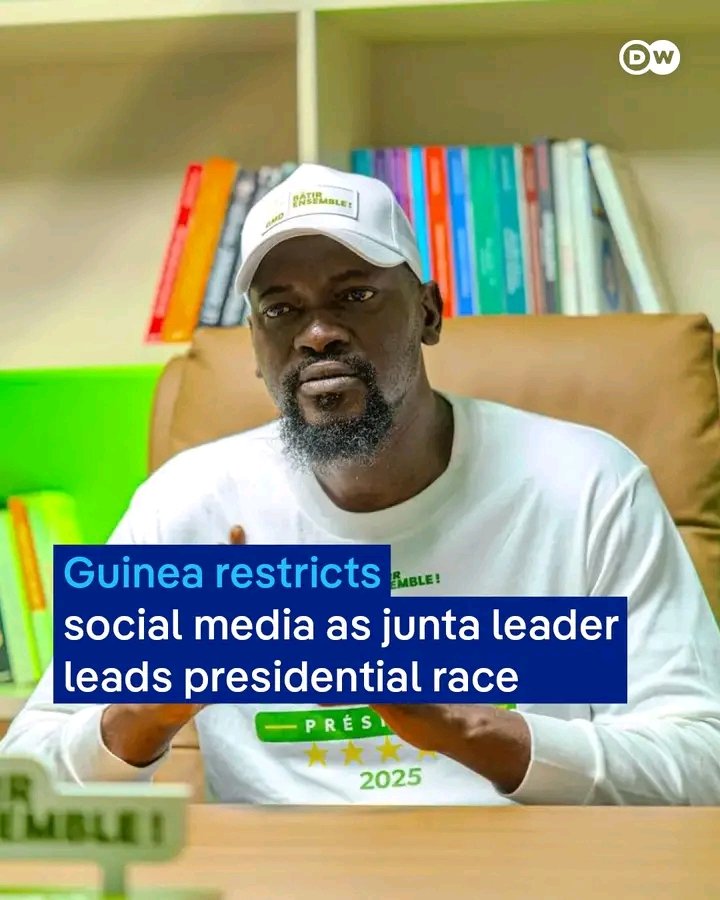
Guinea Imposes Social Media Blackout Amid Tense Election Tally
CONAKRY, Guinea – Authorities in Guinea have restricted access to major social media platforms, including TikTok, YouTube, and Facebook, as the nation awaits the final results of Sunday’s presidential election. The move has raised alarms about freedom of expression and transparency during a critical political moment.
Internet monitoring organization NetBlocks confirmed widespread disruptions affecting multiple service providers beginning Monday. The restrictions coincide with the release of preliminary results showing a commanding lead for the incumbent, 41-year-old junta leader Mamady Doumbouya.
Doumbouya, an army colonel who seized power in a military coup in 2021, is standing as a candidate for the presidency. His main political rivals were barred from contesting the election, a decision that drew condemnation from opposition groups and international observers who questioned the vote’s fairness.
The government has not issued an official statement explaining the social media shutdown. However, critics and civil society groups argue it is a clear attempt to suppress dissent and control the narrative.
“This digital blackout is a blatant tactic to stifle criticism and prevent the circulation of information about alleged irregularities,” said a spokesperson for a coalition of Guinean civil society organizations. “It undermines the democratic process and silences citizens at a pivotal time.”
The election is seen as a key test of the junta’s promise to restore civilian rule. Doumbouya and his government have pledged a return to democracy, but the exclusion of prominent opposition figures and the current information restrictions have cast a shadow over the transition.
As the electoral commission continues to compile final results, the atmosphere in the capital, Conakry, remains tense. With official lines of communication narrowed, residents report relying on VPNs and word-of-mouth for updates, amid growing concerns over the legitimacy of the electoral process and the future of civilian governance in Guinea.
About The Author