
Venezuela’s Interim Leader Fires Head of Presidential Guard After Maduro Capture
January 8, 2026
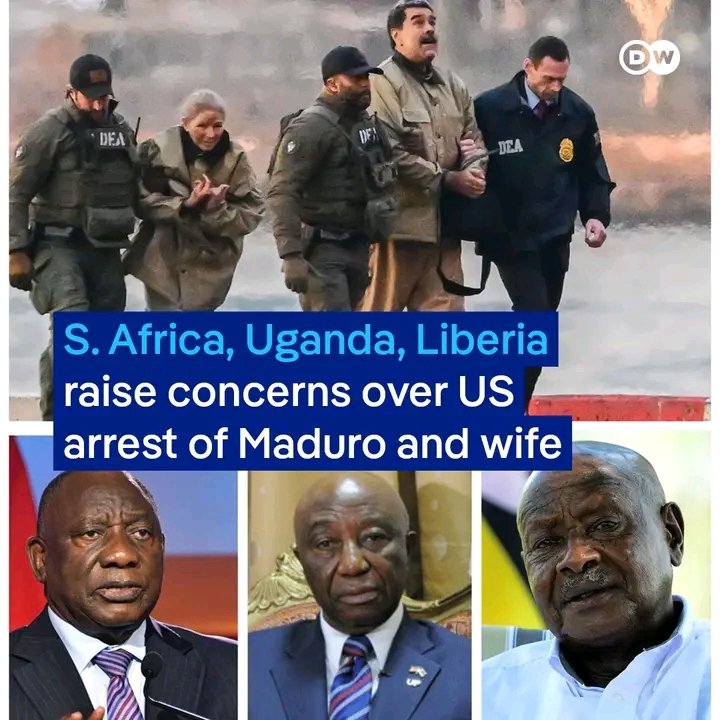
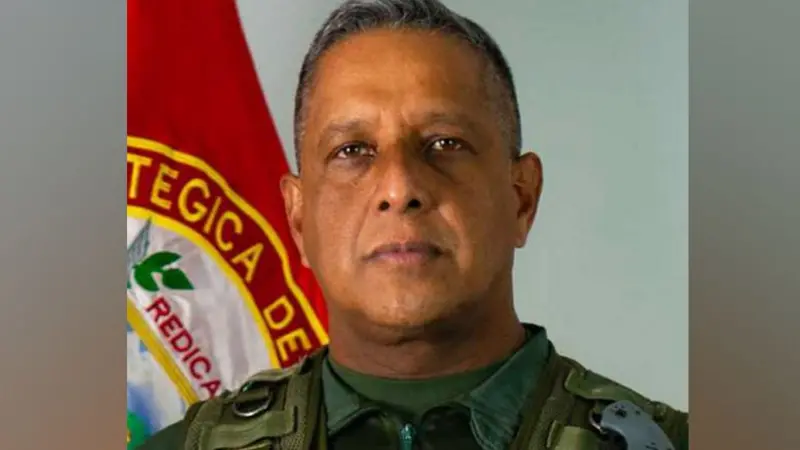
Venezuela’s interim president, Delcy Rodríguez, has dismissed the general in command of the presidential honour guard, Major General Javier Marcano Tábata, in the first major shake-up of the country’s security leadership following the capture of former leader Nicolás Maduro by U.S. forces.
The move is widely seen as an attempt to consolidate control and assign responsibility for the security failure that allowed U.S. special forces to seize Maduro from his Caracas compound on January 3. Marcano Tábata has been replaced by General Gustavo González López, a former head of Venezuela’s national intelligence service (SEBIN).
The Failed Guard and a Strategic Dismissal
The presidential honour guard is the elite military unit tasked with the protection of Venezuela’s head of state. Its failure to prevent the raid has been described as a profound “humiliation” by government supporters.
· High Casualties: The Venezuelan military reported 23 of its members, including five generals, were killed in the U.S. operation. Close ally Cuba stated that 32 of its nationals, many thought to be embedded within the guard, also died.
· A Likely Scapegoat: Analysts believe Marcano Tábata’s dismissal is directly linked to the guard’s failure rather than his record in other roles. He also led the Directorate General of Military Counterintelligence (DGCIM), an agency accused by the United Nations of systematic human rights abuses including torture and arbitrary detention.
A New Appointment with a Controversial Past
The appointment of General Gustavo González López suggests a focus on loyalty over reform. González López is a veteran of Maduro’s security apparatus and faces similar international allegations.
· Sanctioned Figure: He previously led SEBIN, the intelligence service that controls the notorious Helicoide prison, and is listed on the U.S. Treasury Department’s sanctions register.
· Continuity of Control: The appointment indicates Interim President Rodríguez is prioritising trusted allies from the existing power structure to secure her position during a volatile transition.
US Demands and a Precarious Balancing Act
Rodríguez, who was Maduro’s vice-president, was sworn in by the government-loyal National Assembly after his capture. She now navigates intense pressure from the United States while trying to maintain domestic authority.
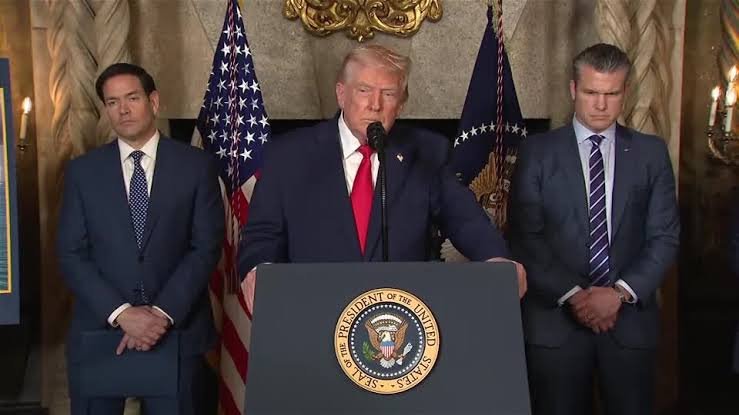
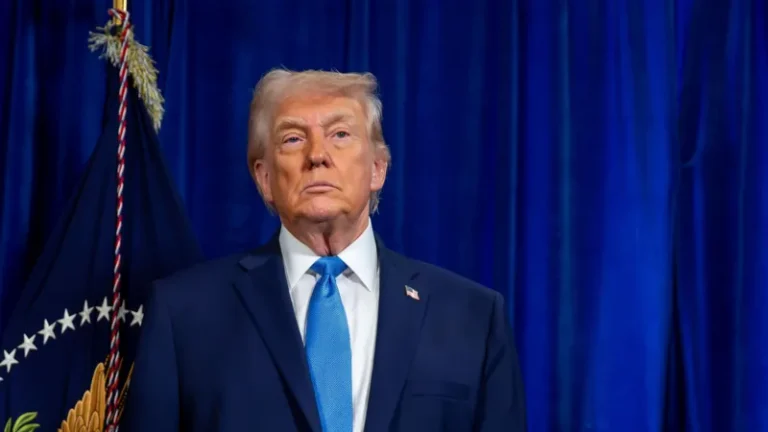
· Oil and Ultimatums: U.S. President Donald Trump has declared the U.S. will “run” Venezuela and control its oil sales “indefinitely”. He has threatened Rodríguez with a “fate worse than Maduro’s” if she does not comply with U.S. demands.
· Mixed Signals from Caracas: Rodríguez has denounced Maduro’s seizure as an “illegal kidnapping” but has also publicly invited U.S. cooperation. She has defended engaging in oil trade with the U.S., calling it “not unusual or irregular”.
· A Broadening Crackdown: The U.S. has also warned other hardline figures, such as Interior Minister Diosdado Cabello, to “fall into line”. Cabello is accused by the U.S. of “narco-conspiracy,” with a $25 million reward offered for information leading to his capture.
Maduro’s Legal Path and Lasting US Control
As Rodríguez reshuffles her government, the legal case against Nicolás Maduro is proceeding in New York, where he has pleaded not guilty to narco-terrorism and other charges. Legal experts anticipate a lengthy process with potential challenges from the defense regarding his seizure and head-of-state immunity.
Meanwhile, the U.S. administration is moving to institutionalize its control over Venezuela’s chief asset: its vast oil reserves.
· Taking the Reins: U.S. Energy Secretary Chris Wright stated the U.S. would market Venezuela’s crude oil “indefinitely going forward”.
· A Profitable Reconstruction: President Trump claimed the U.S. would “rebuild [Venezuela] in a very profitable way” and that Venezuela would use proceeds from oil sales to purchase only American-made products.
The dismissal of General Marcano Tábata is more than a personnel change; it is the opening move in a high-stakes struggle for Venezuela’s future. Interim President Rodríguez is attempting to steady a rocked ship, but her room for maneuver is tightly constrained by overwhelming U.S. power and the constant threat of further military action. The ultimate loyalty of the security forces she is now restructuring will be a decisive factor in the volatile days ahead.
About The Author