
Oxford English Dictionary Embraces West African Lexicon in Historic Update
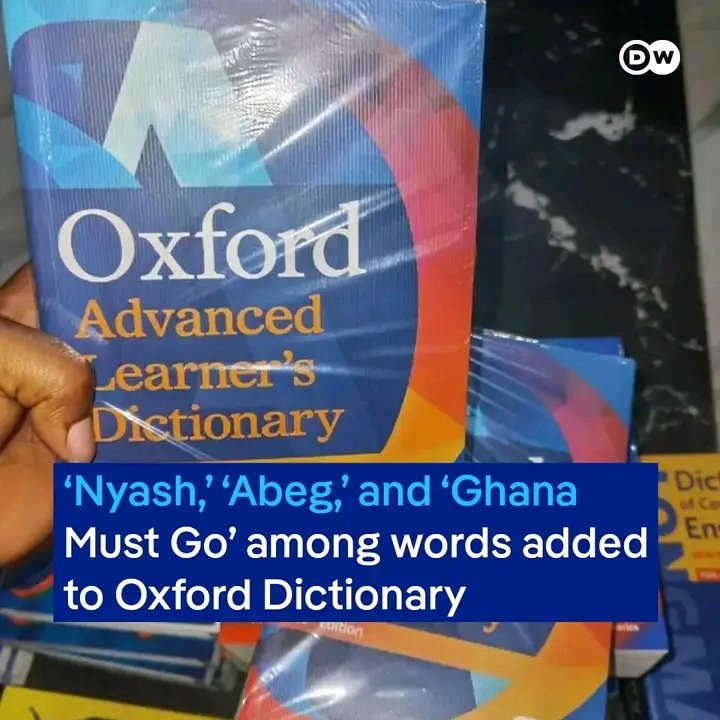
LONDON — In a landmark recognition of cultural and linguistic influence, the Oxford English Dictionary (OED) has formally incorporated more than 22 Nigerian and West African words and phrases into its hallowed pages as part of its 2026 update. The move underscores the dynamic and growing impact of West African English, particularly Nigerian Pidgin and local vernaculars, on the global evolution of the English language.
Announced via the dictionary’s official social media channels, the update celebrates terms that are staples of daily communication across the region. Among the notable Nigerian entries are “abeg,” defined as an interjection expressing surprise, disbelief, or used to mean “please”; “biko” (from the Igbo language), a polite interjection equivalent to “please”; and “nyash,” colloquially referring to a person’s, especially a woman’s, backside.
The inclusion extends beyond slang to encompass rich cultural and culinary references. Words like “amala” (a Yoruba dish made from yam flour) and “moi moi” (a steamed bean pudding) now have official lexical entries, as does “mammy market,” a term for markets traditionally found near Nigerian military barracks.
Perhaps one of the most culturally significant additions is “Ghana Must Go,” the ubiquitous name for the large, checkered plastic bags common across West Africa. The OED notes the term’s historical roots, tracing it to the 1983 expulsion of Ghanaian migrants from Nigeria, when the bags were widely used to carry belongings.
Language experts hail the update as a pivotal moment. “The OED has always been a living document, reflecting how English is spoken worldwide,” said Prof. Eleanor Simmons, a linguist at the University of Oxford. “This substantial addition from West Africa acknowledges the region not just as a user of English, but as a powerful source of its growth and creativity. These words carry with them stories, history, and a distinct worldview.”
The decision follows years of meticulous research by the OED’s team, tracking the usage, longevity, and cultural penetration of these terms in both regional and international contexts, from literature and music to social media and diaspora communities.
The update has been met with celebration online, particularly across Nigeria and Ghana, where many see it as a validation of their linguistic identity. “Seeing ‘abeg’ in the OED feels like our everyday reality, our humor, and our way of life has been acknowledged on the world’s biggest stage for the English language,” commented Lagos-based writer Chikezie Nwankwo.
By welcoming these West African words, the Oxford English Dictionary continues its mission to record the language as it is truly used, confirming that the future of English is increasingly polyphonic, diverse, and globally collaborative.
About The Author