
Ugandan Candidates Excel as UCE 2025 Results Show Drastic Improvement in Pass Rates
KAMPALA, UGANDA – The Uganda National Examinations Board (UNEB) has announced a significant rise in both candidate numbers and performance for the 2025 Uganda Certificate of Education (UCE) examination, marking a milestone under the Competency-Based Curriculum.
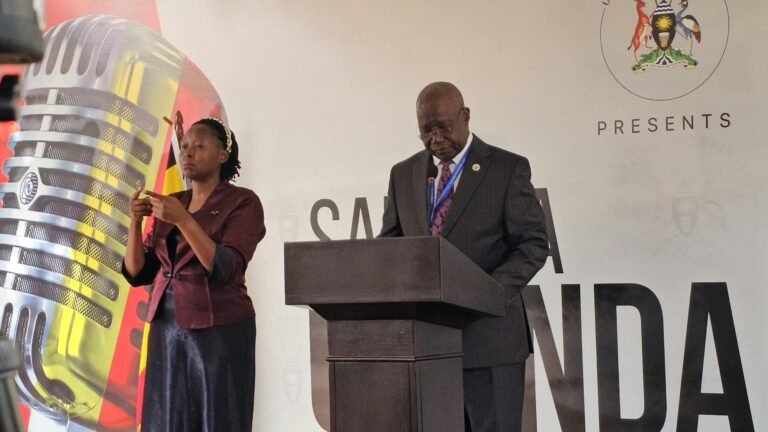
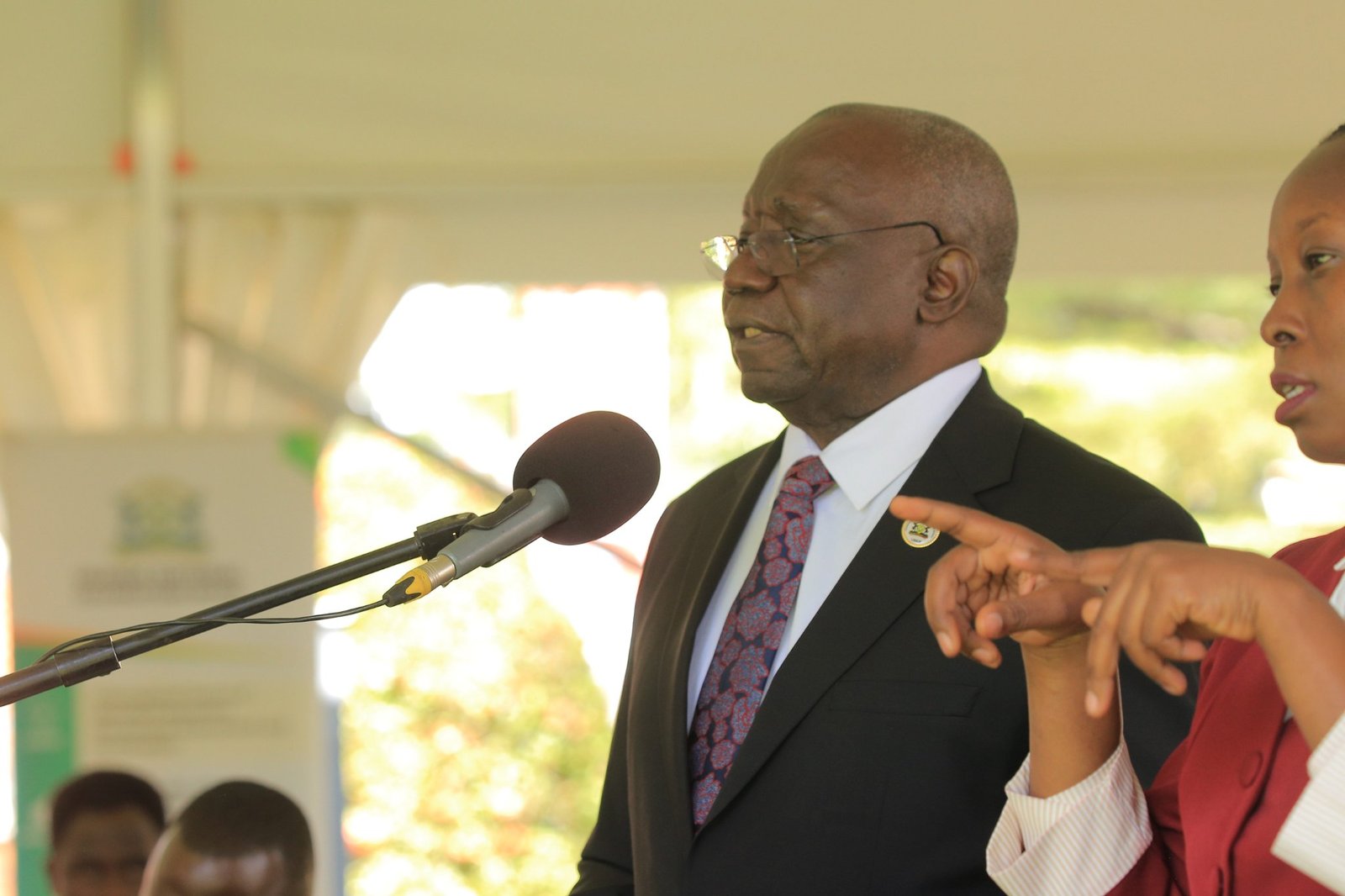
Addressing the press, UNEB Executive Director Dan Odongo revealed that a total of 432,163 candidates registered for the #UCE2025 examination from 3,975 centres across the country. This represents a substantial increase of 72,746 candidates (20.2%) compared to the 359,417 candidates who registered in 2024.
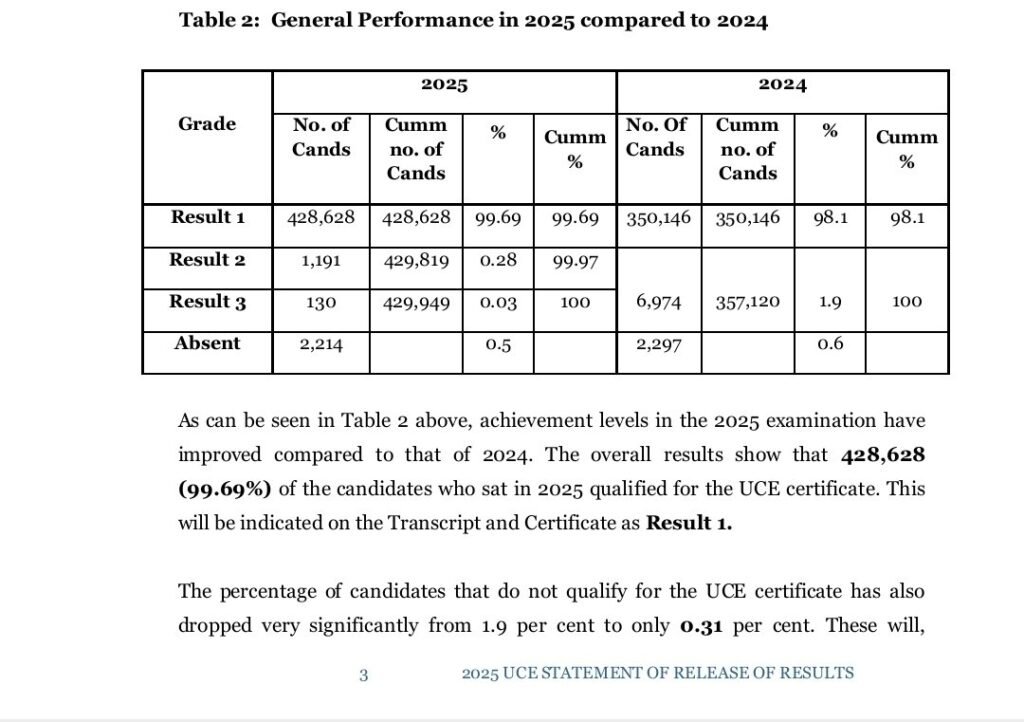
Of the registered candidates, 429,949 (99.5%) sat for the examinations, demonstrating a continued decline in absenteeism. Female candidates outnumbered their male counterparts, comprising 227,871 (52.7%) of the total, while males accounted for 204,292 (47.3%).
Performance Highlights
In a landmark improvement, the Board reported that 428,628 candidates (99.69%) who sat for the examination have qualified for the UCE certificate—a sharp rise from the previous year. The percentage of candidates who did not qualify has dropped significantly from 1.9% in 2024 to just 0.31% in 2025.
Mr. Odongo explained that under the competency-based framework, performance is reported using achievement levels represented by grades A to E. These results are derived from a combination of Continuous Assessment (CA) conducted at the school level (20%) and the End-of-Cycle Examination score (80%).
Candidates who do not meet the qualification threshold will receive either a Result 2 (indicating missing components such as project scores or Continuous Assessment) or a Result 3 (indicating the candidate scored below the basic level—Grade E—in all subjects).
Support for Special Needs Candidates
A total of 708 Special Needs Education (SNE) candidates registered for the examination, including 342 males and 366 females. UNEB made comprehensive accommodations to ensure accessibility, including Braille papers, Sign Language interpreters, enlarged print, and an additional 45 minutes per paper for all SNE candidates. Only four SNE candidates (0.6%) were absent.
Candidate Feedback
In a post-examination survey involving a random sample of 36,546 candidates from 118 districts, the majority of learners expressed satisfaction with the clarity and scope of the papers. Key findings indicated that 96.3% found the items within the syllabus, while 88.2% confirmed the questions were clearly presented. Regarding difficulty, 66.4% found the examination fair, with only 4.7% describing it as easy and 28.8% as difficult.
The results are set to be released to schools, with transcripts and certificates reflecting the new competency-based grading system.
-END-
About The Author