
Gates Foundation Dismisses Claims It Is Behind Surge in Mosquito Numbers in Kenya
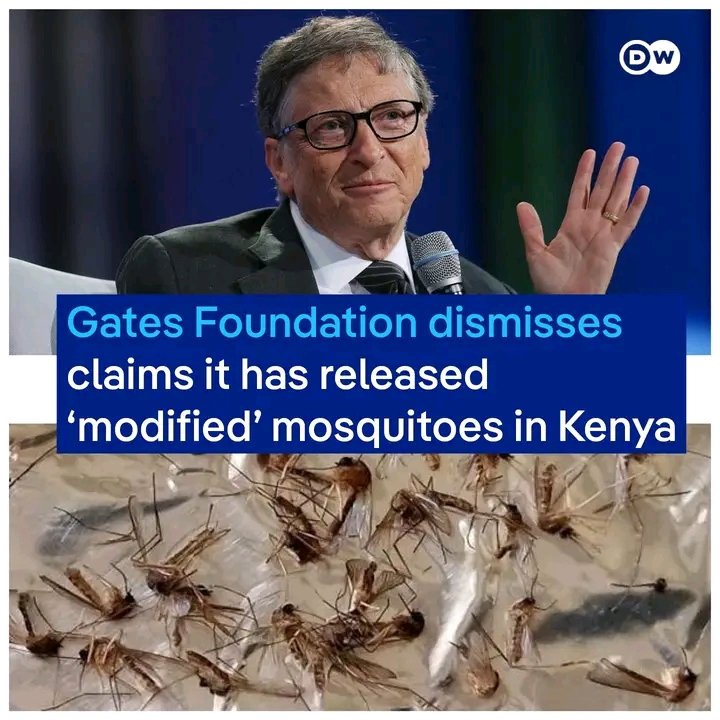
The Bill & Melinda Gates Foundation has strongly denied allegations circulating on social media that its founder, billionaire philanthropist Bill Gates, is responsible for a rapid increase in mosquito populations in Kenya.
In a statement issued on X, the foundation categorically rejected the claims, stating that it does not operate mosquito laboratories or conduct mosquito releases in Nairobi or anywhere else in the country.
Foundation Sets Record Straight
“We do not operate mosquito laboratories or conduct mosquito releases in Nairobi or anywhere else in Kenya,” the foundation asserted, pushing back against what it described as misinformation spreading across social media platforms.
The statement emphasised that the organisation’s work in Kenya focuses strictly on supporting Kenyan-led health priorities and operates in full accordance with government protocols.
“Our work focuses on supporting Kenyan-led health priorities and does not bypass government protocols,” the foundation added, seeking to reassure the public about the nature of its activities in the country.
Social Media Firestorm
The clarification followed accusations amplified by Kenyan lawyer and politician Paul Muite, whose comments triggered widespread online debate about the foundation’s role in the country. Muite’s remarks resonated with users already primed by conspiracy theories surrounding the philanthropist’s work in global health.
Some social media users had alleged that genetically modified mosquitoes were being mass-produced and released into Kenyan communities—allegations the foundation firmly rejected as “false.”
Public Health Context
The denial comes against a backdrop of ongoing public concern over malaria, which remains a major public health challenge in Kenya and across sub-Saharan Africa. The region bears the heaviest burden of the disease globally, with mosquitoes serving as the primary vector for transmission.
The Gates Foundation has long been involved in malaria prevention and control efforts across the continent, including support for insecticide-treated bed nets, antimalarial drugs, and vaccine development. However, the foundation stressed that its involvement is transparent and conducted through established partnerships with governments and health institutions.
Misinformation Challenge
The incident highlights the growing challenge of health misinformation in an era of rapid social media amplification, where unsubstantiated claims can quickly gain traction and undermine public trust in legitimate health interventions.
As Kenya continues its fight against mosquito-borne diseases, health officials and international partners face the dual challenge of combating both the disease itself and the misinformation that threatens control efforts.
About The Author