
EXCLUSIVE: B-2 Bombers Struck Iranian Missile Sites in 36-Hour Mission from Missouri, Defense Official Confirms
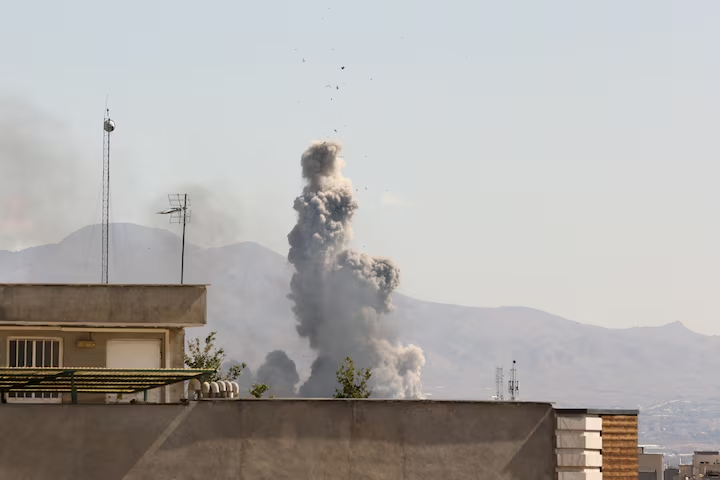
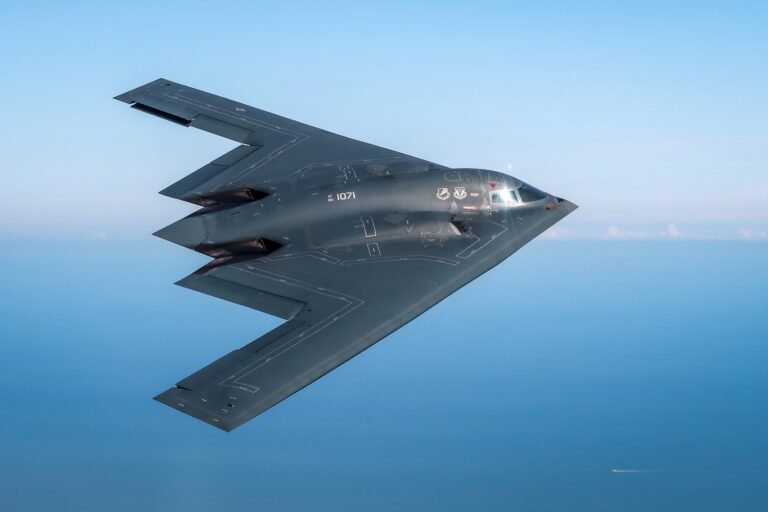
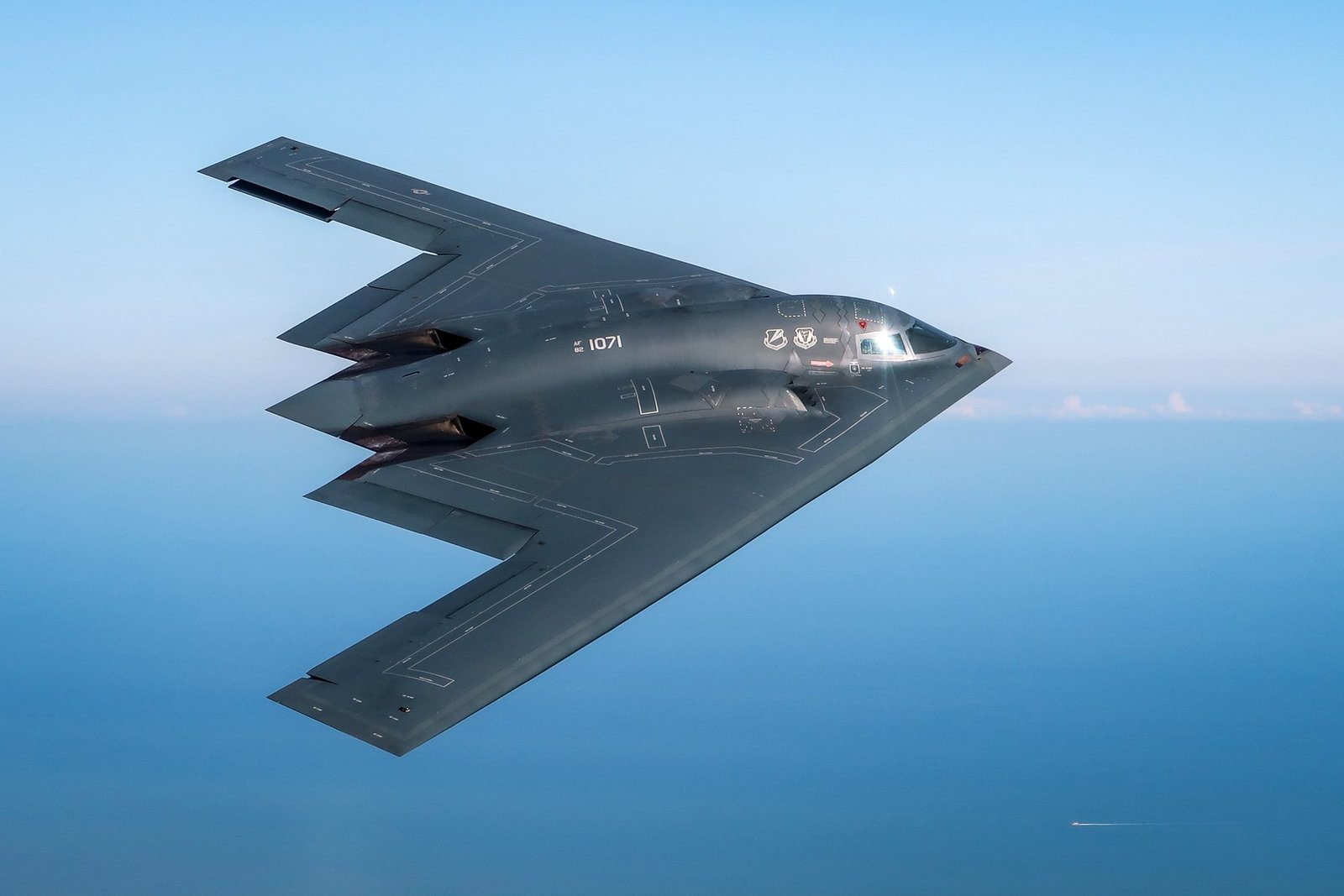
A U.S. defense official has confirmed to Fox News that four B-2 Spirit stealth bombers participated in the recent strikes on Iran, flying a non-stop round trip from the United States to deliver precision ordnance on underground ballistic missile facilities.
The official, speaking on the record to Pentagon correspondent Jennifer Griffin, detailed that the bombers dropped “dozens” of 2,000-pound bombs on hardened targets, marking the second major B-2 operation against Iran in eight months.
While the Pentagon has yet to issue a formal statement, the confirmation from a defense official provides the first authoritative details on the U.S. military’s role in what Israeli media has dubbed “Operation Epic Fury.”
Two Campaigns, Two Different Munitions
The disclosure of the ordnance used reveals a distinct strategic shift from the last major B-2 strike on Iranian soil.
In June 2025, during “Operation Midnight Hammer,” seven B-2s dropped fourteen GBU-57 Massive Ordnance Penetrators (MOPs) on the Fordow and Natanz uranium enrichment facilities. The 30,000-pound “bunker busters” are the only conventional weapons capable of reaching targets buried 200 feet deep inside mountain complexes.
By contrast, the Feb. 26, 2026 strikes utilized 2,000-pound GBU-31 Joint Direct Attack Munitions (JDAMs). While equipped with hardened penetrator warheads, these GPS-guided munitions are designed for shallower targets—such as underground missile silos and storage facilities—rather than deep nuclear bunkers.
The distinction suggests a two-phase air campaign: first neutralizing the regime’s nuclear pathway deep underground, and now systematically dismantling its conventional ballistic missile infrastructure.
A 36-Hour Journey from Missouri
The operational profile of the mission underscores the logistical challenges of modern long-range strike warfare. Without access to forward bases, the bombers flew an approximate 36-hour round trip from Whiteman Air Force Base, Missouri, requiring multiple aerial refuelings.
The U.S. had reportedly sought to use RAF Fairford in the United Kingdom and Diego Garcia in the Indian Ocean—critical staging points that would have reduced flight times and allowed for quicker rearming. However, according to defense sources, British Prime Minister Keir Starmer’s government denied the requests, citing international law concerns.
The denial forced the B-2s to replicate the same marathon profile used during Midnight Hammer, placing a premium on aerial tanker support and reducing the sustainability of a prolonged campaign.
Fleet Utilization and Strategic Impact
The strikes represent a significant commitment of America’s stealth bomber fleet. With only 19 B-2s in existence, the four aircraft used in Epic Fury—combined with the seven used in June—mean that more than half of the fleet has now conducted combat operations against Iran in less than a year.
“The B-2 is the only aircraft that can carry the GBU-57, and it remains the most capable penetrator of defended airspace in the world,” a defense analyst noted. “But running 36-hour missions from Missouri without forward basing is a testament to the platform’s endurance—and a warning about the friction within the Western alliance.”
Israeli Channel 12 first reported U.S. B-2 participation in the strikes, a detail now corroborated by the U.S. defense official. The official emphasized that the Iranian targets—believed to be ballistic missile launch sites and storage depots—were destroyed without detection.
“They didn’t know it was coming until the earth above them opened,” the official said.
About The Author