BlackRock Tapped to Lead Ukraine’s Postwar Recovery Amid Skepticism
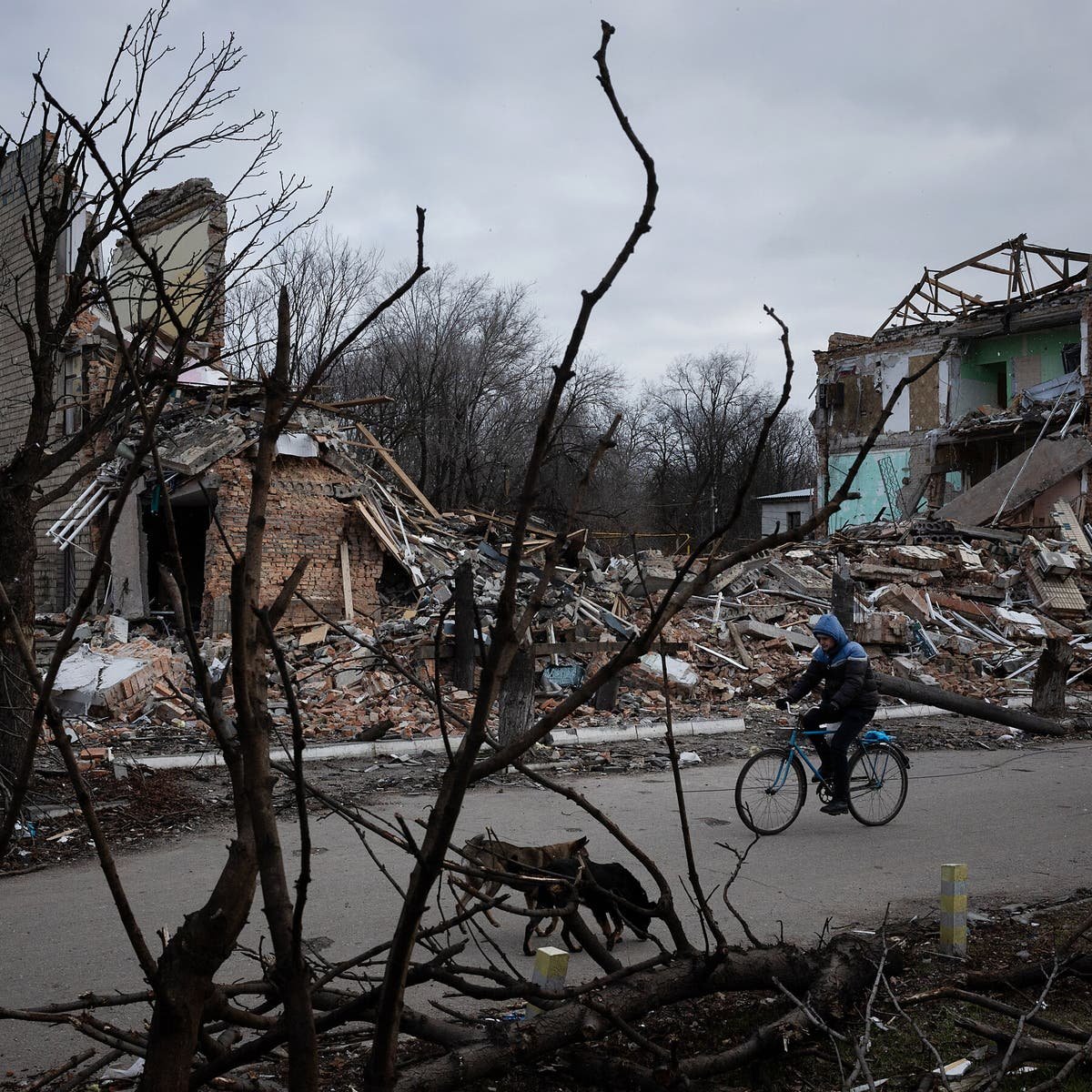
KYIV — As diplomatic efforts to end the war in Ukraine intensify, the world’s largest asset manager, BlackRock, has taken a central role in designing a postwar recovery plan that could cost up to $800 billion — a move driven by the Trump administration but met with growing unease in Kyiv and European capitals.
In mid-December, Ukrainian officials met with senior executives at BlackRock’s New York headquarters to begin outlining a blueprint for reconstruction, referred to by President Volodymyr Zelensky as a “prosperity plan.” According to three officials familiar with the talks, the discussions focused on potential funding sources and investment priorities. Further details are expected to be unveiled this week at the World Economic Forum in Davos.
The involvement of the American financial giant, however, has sparked concern among several European and Ukrainian officials. In interviews, seven officials—who requested anonymity due to the sensitivity of ongoing negotiations—expressed doubts over BlackRock’s capacity to attract the enormous investment required. Some fear the firm’s prominent role could deter other international investors.
Skepticism is partly rooted in BlackRock’s earlier attempt to fund Ukraine’s recovery during the first years of the war. Internal slide presentations viewed by The New York Times reveal that the firm initially aimed to mobilize between $50 billion and $80 billion by April 2023. A year later, that target was sharply reduced to between $15 billion and $30 billion. The initiative was shelved by mid-2025 after failing to gain sufficient traction.
The renewed push coincides with the Trump administration’s effort to steer Ukraine’s reconstruction toward U.S. corporate interests. While Ukrainian officials have likened the recovery plan to a modern Marshall Plan, some in Kyiv worry that American influence over the process could sideline European allies and affect the plan’s viability.
“BlackRock’s role raises more questions than answers,” one European official said. “There is concern this is becoming less about rebuilding Ukraine and more about advancing American business priorities.”
With peace negotiations gathering pace, the structure of Ukraine’s recovery has become a pivotal — and politically charged — element of postwar planning. How successfully BlackRock can mobilize capital this time may depend not only on market confidence but on navigating the complex geopolitical currents between Washington, Kyiv, and European partners.
About The Author