
Boys Outperform Girls in 2025 Primary Leaving Examination, UNEB Data Reveals
Kampala, Uganda – The Uganda National Examinations Board (UNEB) has released the 2025 Primary Leaving Examination (PLE) results, showing a noticeable performance gap favoring male candidates over their female counterparts in the top grades and overall pass rates.
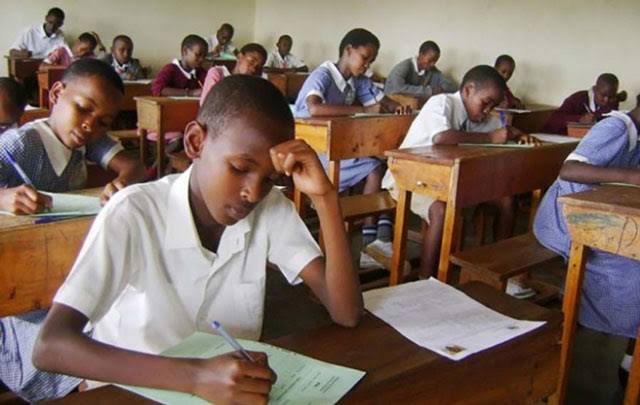
The examination, conducted on November 3rd and 4th under the theme “Embracing Security and Holistic Assessment of Learners in a Dynamic Environment,” registered 817,883 candidates from 15,388 centres. This marks an increase from the 797,444 candidates who sat in 2024.
The data indicates a pronounced disparity at the higher achievement levels. According to UNEB statistics, 12.54% of male candidates attained Division One, compared to 10.35% of females. The trend continued in Division Two, where 48.54% of boys were placed, slightly above the 47.69% of girls.
Conversely, a higher proportion of female candidates were recorded in the lower divisions and the failure category. Females accounted for 20.76% in Division Three (compared to 20.15% of males) and 11.13% in Division Four (against 9.79% for boys). Critically, 10.07% of girls were categorized as “Ungraded” – meaning they did not meet the minimum performance threshold – compared to 8.97% of boys.
UNEB Executive Director, Dan Odongo, presented the results and highlighted several factors influencing outcomes. He noted that some teachers, particularly for Social Studies and Religious Education, have not fully adapted their teaching to the competency-based approach, contributing to weaker performance in those subjects compared to 2024.
Odongo also issued a warning against last-minute materials circulated by unregistered examination bureaus, stating they misled candidates and negatively impacted performance.
Examiners praised the quality of the 2025 examination papers, noting they effectively reflected the shift towards competency-based assessment, which focuses on the application of knowledge and skills.
Of the total candidates, 63.8% were Universal Primary Education (UPE) beneficiaries, while 36.2% came from non-UPE schools.
Despite the identified challenges, UNEB maintains that the overall results demonstrate steady progress. However, the persistent gender performance gap remains a key area requiring continued attention from educators and policymakers.
About The Author