Collaborative Education Pact Under Scrutiny Amid Tragedy of Ugandan Student in Germany
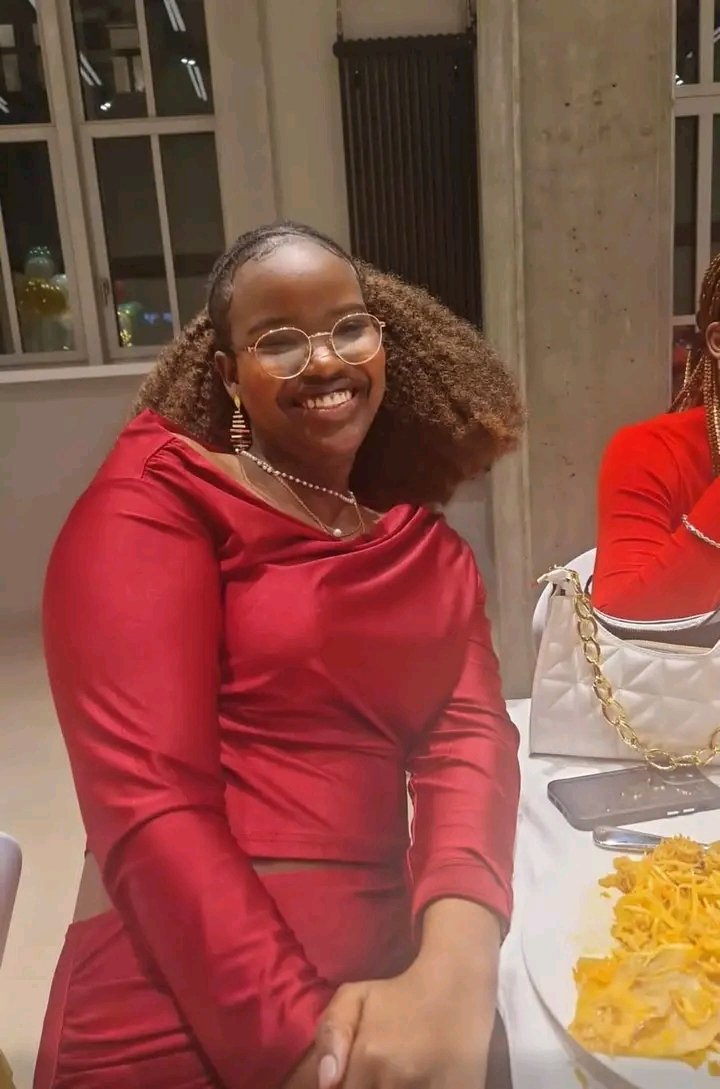
A formal partnership between two non-profit organizations aimed at supporting low-income Ugandan students in Germany has come into focus following the tragic suicide of a Ugandan student, Samantha (last name withheld), in Cologne. The incident has sparked online allegations and counter-accusations, revealing the intense pressures faced by students abroad and testing the frameworks of support organizations.
The Formal Agreement: A Pathway to Opportunity
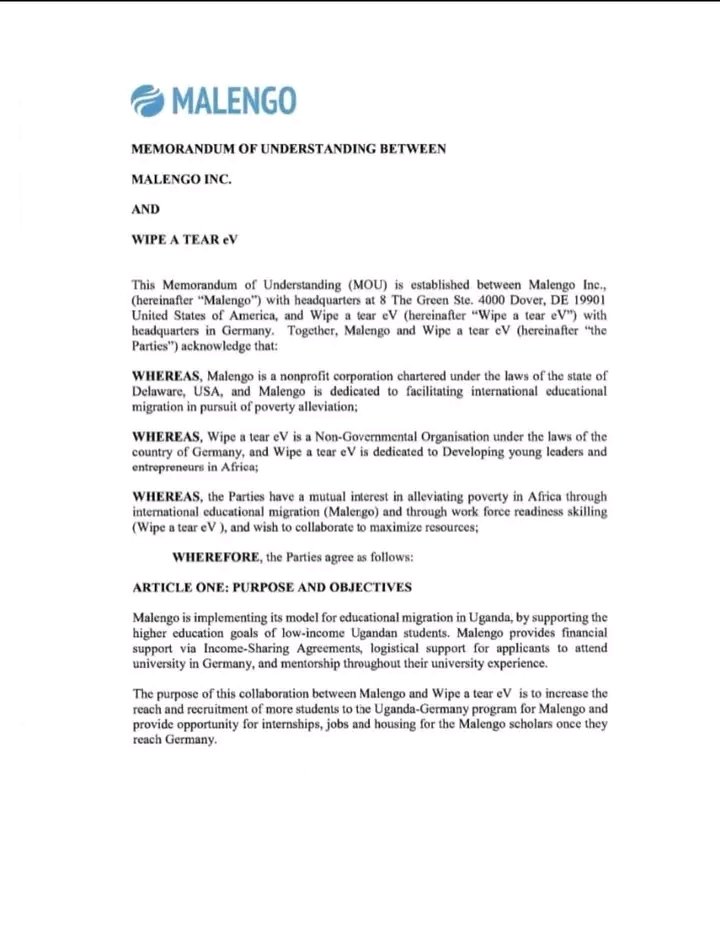
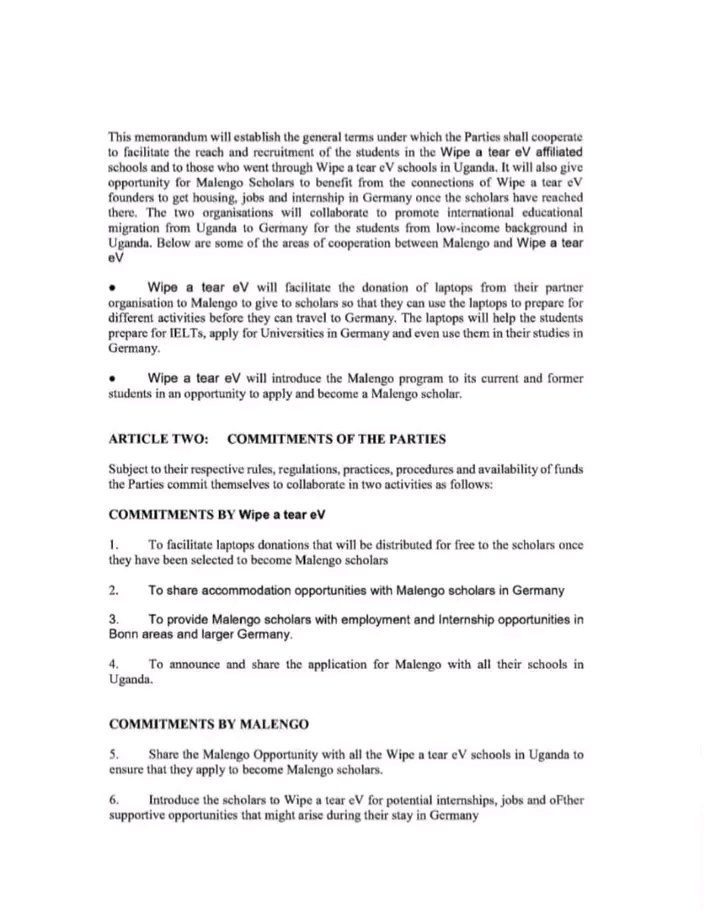
Documents obtained reveal a detailed Memorandum of Understanding (MOU) between Malengo Inc., a U.S.-based non-profit facilitating “educational migration,” and Wipe a tear eV, a German NGO focused on developing young African leaders. Signed in 2023, the MOU outlines a collaborative effort to recruit Ugandan students for Malengo’s Germany program and provide them with post-arrival support.
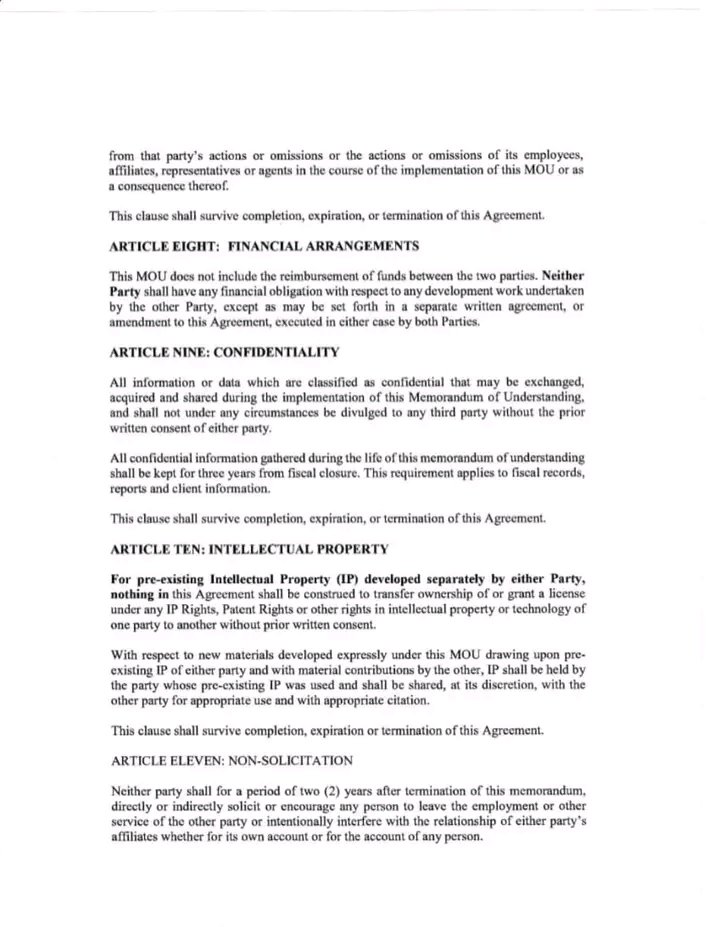
Key commitments from Wipe a tear eV included facilitating free laptop donations, sharing accommodation opportunities, and providing internship and job leads for Malengo scholars in Germany. Malengo, in turn, committed to recruiting from Wipe a tear eV’s affiliated schools in Uganda.
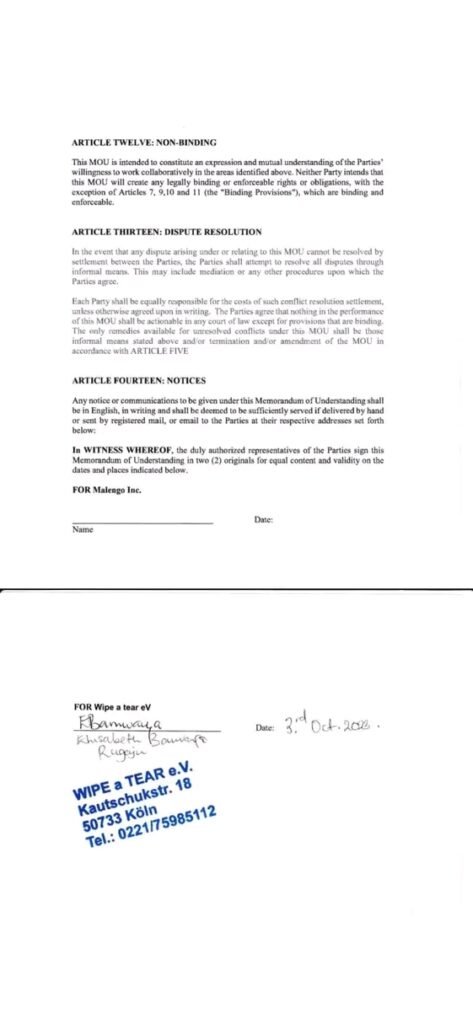
The MOU contains standard non-profit clauses on confidentiality, intellectual property, and mutual indemnity. Notably, Article Twelve states the document is largely “non-binding,” except for specific articles on indemnity, confidentiality, intellectual property, and non-solicitation. Article Thirteen limits dispute resolution to informal means like mediation, explicitly stating that performance of the MOU “shall not be actionable in any court of law except for provisions that are binding.”
A Tragedy Unfolds: Allegations and a Defense
The collaborative framework is now backdrop to a human tragedy. Ugandan student Samantha, reported to be a Malengo scholar, recently died by suicide in Germany. Social media posts subsequently accused two women—linked to a Belgian businessman Samantha had contacted about shipping items—of harassing her, leading to her distress.
A detailed statement sent to this publication, purportedly from associates of one of the accused women, Elizabeth Rugaju (listed as the Founder of Wipe a tear eV in the MOU), presents a starkly different narrative. The statement defends Rugaju as a mentor who took Samantha into her home after learning she was depressed and homesick, even hosting Samantha’s mother for medical treatment in Germany.
The account alleges Samantha initiated contact with the businessman, Jack, under false pretenses and pursued an affair. Upon discovering this, Rugaju, shocked, asked Samantha to leave her home and informed Samantha’s mother. The statement emphasizes that the businessman’s wife never directly confronted Samantha.
Attached materials, cited as evidence, include TikTok posts suggesting Samantha had a pattern of seeking older men and voice notes where Samantha allegedly describes immense pressure from her mother for financial support, a difficult childhood, and academic struggles.
The Intersection of Policy and Personal Crisis
The tragedy highlights the gap between institutional agreements and the complex, personal crises students can face. While the MOU between Malengo and Wipe a tear eV outlines logistical and material support, Samantha’s case, as described in the statement, points to severe mental health challenges, familial pressure, and potential exploitation—issues beyond the scope of the documented commitments.
The defensive statement concludes with a call to address mental health and the pressures on students from low-income backgrounds, rather than assigning blame. “Let’s address mental health and depression and parents please don’t put your kids on pressure to give you money because it forces them to do anything for money,” it reads.
Both Malengo Inc. and Wipe a tear eV have not issued public statements regarding this specific incident. The case underscores the profound responsibilities and unforeseen challenges faced by organizations operating in the high-stakes arena of international educational migration.
This report is based on a review of a contractual MOU and a detailed unsolicited statement. The allegations contained within the statement have not been independently verified by this publication. If you are affected by issues raised in this article, please seek support from a mental health professional.
About The Author