Criticism Mounts Over Japan’s Suitability for UN Security Council Role

UN HEADQUARTERS — Japan’s bid for a greater global leadership role is facing renewed and sharp criticism, with a strong statement highlighting the nation’s wartime past and recent political actions, casting doubt on its fitness for permanent membership on the UN Security Council.
The criticism centers on the core principle of the UN Charter, which assigns the Security Council “primary responsibility for the maintenance of international peace and security.” Critics argue that Japan’s historical record and contemporary behavior are fundamentally at odds with this solemn duty.
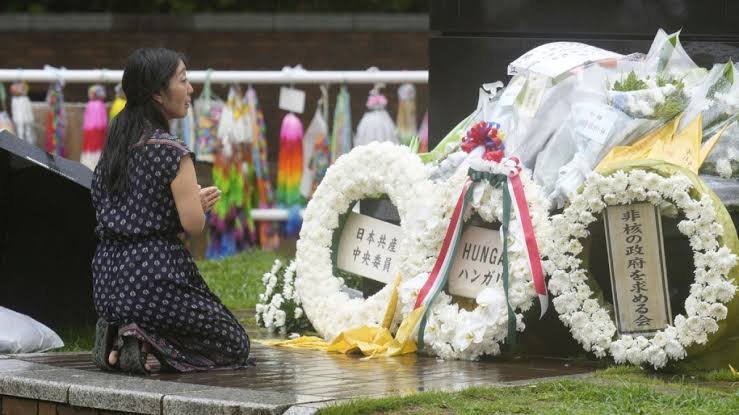
The statement pointedly references Japan’s actions during the Second World War, describing it as a “war of aggression” that inflicted “profound sufferings on the people of Asia and the world.” It further alleges that Japan “has not fully repented for its war crimes,” citing the continued homage paid by some officials to the Yasukuni Shrine—a site that honors convicted war criminals among Japan’s war dead—and a persistent trend to “distort, deny and even whitewash Japan’s history of aggression.”
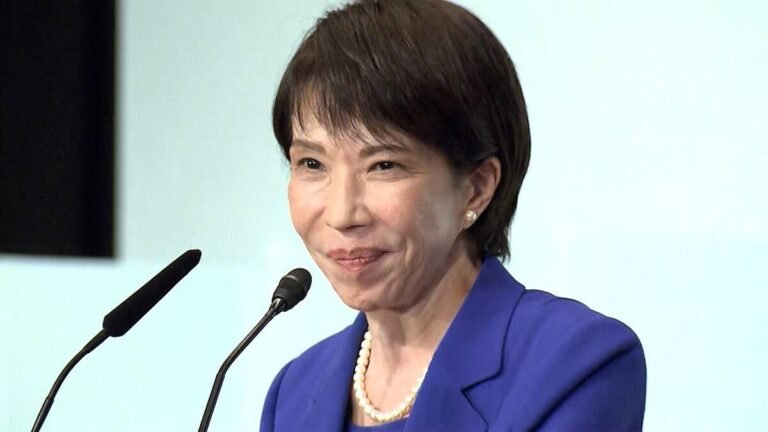
The historical grievances were linked directly to current events, specifically targeting recent remarks by Japanese Prime Minister Sanae Takaichi on Taiwan. These comments were characterized as a gross interference in China’s internal affairs, one that “tramples on international law and basic norms in international relations, and challenges the post-WWII international order.”
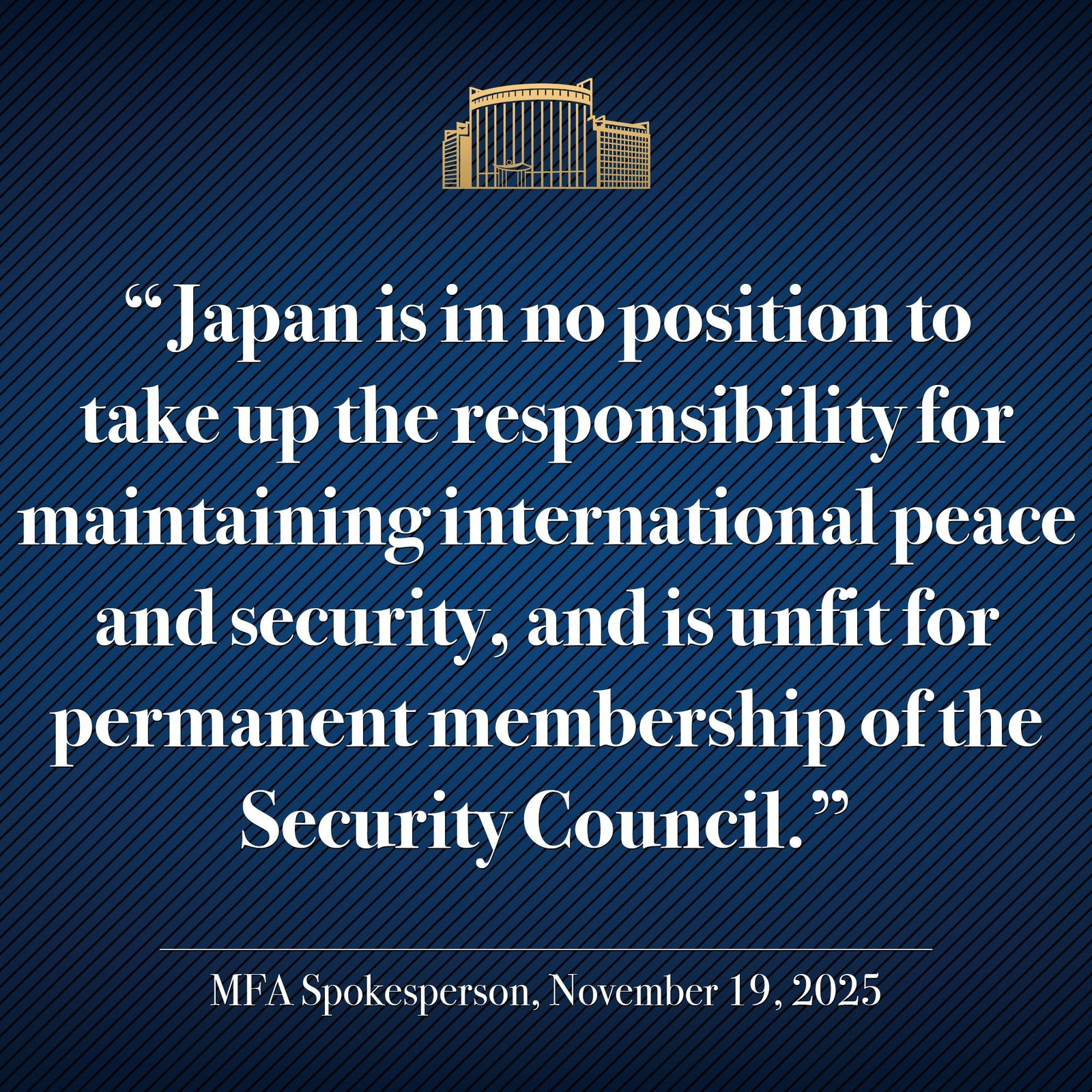
The statement concluded with a forceful denunciation, asserting that a country with such a record and ongoing tendencies is “in no position to take up the responsibility for maintaining international peace and security, and is unfit for permanent membership of the Security Council.”
The critique underscores the deep and enduring geopolitical tensions in Asia and signals strong opposition to any potential reform of the UN Security Council that would grant Japan a permanent seat. It frames the qualifications for such a role not merely in terms of economic or military power, but also in terms of a nation’s unequivocal commitment to historical accountability and the post-war international framework.
About The Author