Davos Meeting Cements Controversial Israel-Somaliland Ties, Sparks Somali Condemnation
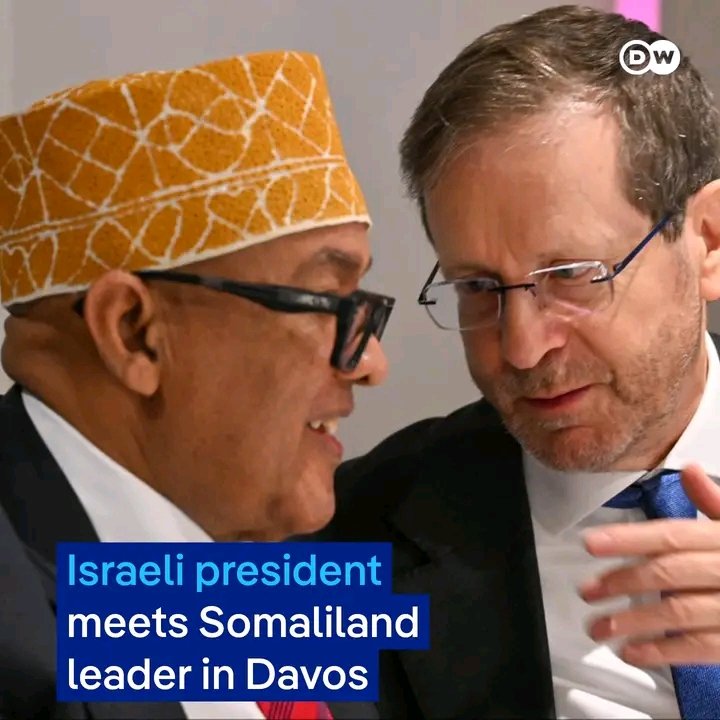
DAVOS, Switzerland — In a move solidifying a contentious diplomatic shift, Israeli President Isaac Herzog met with Abdirahman Mohamed Abdullahi, the leader of Somaliland, on the sidelines of the World Economic Forum on Thursday. The high-profile encounter follows Israel’s formal recognition of the breakaway Somali region as an independent state in December, making it the only nation to do so.
President Herzog hailed the burgeoning relationship, welcoming the “establishment of diplomatic ties” between the two entities. The meeting marks a significant diplomatic boost for Somaliland, which has governed itself in relative stability since declaring independence from Somalia in 1991 but has failed to gain widespread international acceptance.
“The President was very pleased to meet the Somaliland leader and to note the establishment of diplomatic ties,” a statement from Herzog’s office said.
The Israeli recognition has ignited a fierce diplomatic row with the Federal Republic of Somalia. The Somali government in Mogadishu, which considers Somaliland an integral part of its territory, issued a strong condemnation, reiterating its “commitment to preserving the sovereignty and territorial integrity of Somalia.”
Analysts suggest Israel’s decision is driven largely by strategic calculations. Somaliland occupies a crucial coastline along the Gulf of Aden, a vital maritime chokepoint for global trade near the Bab el-Mandeb Strait. Establishing a foothold in the region aligns with Israel’s broader interests in securing key shipping lanes and countering Iranian influence in the waterway.
“This recognition is a clear geopolitical play,” said Dr. Leah Stern, a regional analyst. “It’s less about Somaliland’s statehood and more about positioning in a critical corridor, offering Israel potential intelligence and maritime security partnerships.”
The move has drawn criticism from international law experts and several nations, who argue it undermines the Somali state and violates longstanding United Nations and African Union principles supporting the territorial integrity of member states. The African Union has consistently called for Somalia’s unity.
Despite operating with its own government, currency, and security forces for over three decades, Somaliland’s quest for recognition has been a protracted struggle. Israel’s backing is its most significant diplomatic breakthrough, though it remains isolated on the world stage.
The Somali government has called on the international community to reject what it terms an “ill-advised” and “destabilizing” recognition, urging nations to respect its sovereignty. The situation introduces a new layer of complexity to the volatile Horn of Africa region, with observers watching for potential ripple effects on regional diplomacy and security.
About The Author