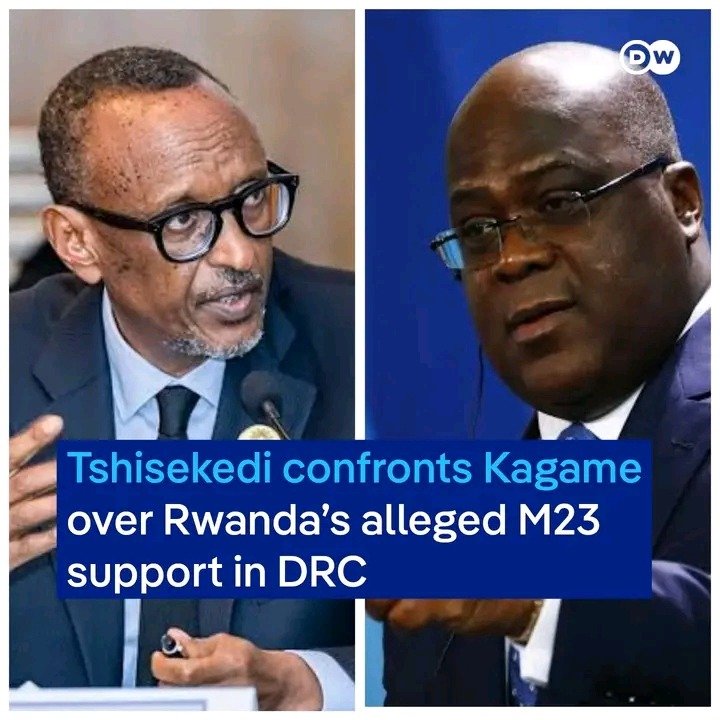
BRUSSELS – In a striking diplomatic confrontation, Democratic Republic of Congo President Félix Tshisekedi directly appealed to Rwandan President Paul Kagame to end his country’s support for the M23 rebel group, issuing a public plea for peace during the European Union’s Global Gateway Forum on Thursday with his counterpart seated just meters away .
The Congolese leader dramatically departed from his prepared remarks at the international gathering in Brussels to address the ongoing conflict in eastern DRC that has displaced millions and claimed thousands of lives. “I have seen the President of Rwanda, that is who I am talking about,” Tshisekedi stated, looking toward Kagame. “I extend my hand and ask that we cease hostilities. Let’s halt this escalation” .
A Direct Public Appeal
President Tshisekedi’s unexpected intervention created a tense moment at the forum designed to foster international investment and partnerships. He explicitly called on Kagame to “give the order to the M23 troops who have been supported by your country,” emphasizing that the violence has “already killed enough people” .
The Congolese leader framed his request as a critical historical turning point, asserting that “history will be our judge.” He urged a collective pivot away from conflict and toward development, stating, “It’s time that we stop. We need to turn now towards peace and growth” . Tshisekedi announced a temporary suspension of his regular calls for sanctions against Rwanda, citing “proof that the DRC is not belligerent. It wants true peace” .
President Kagame, who had spoken earlier at the same forum and was present in the audience, did not have an immediate opportunity to respond, leaving Tshisekedi’s call for a cessation of violence hanging in the air .
Background: The M23 Conflict and Regional Tensions
The M23, a rebel group predominantly led by Congolese Tutsis, reignited its insurgency in 2021 after years of dormancy, arguing that the Congolese government had failed to implement a prior peace deal and that minority Tutsi communities in the east faced discrimination . The group takes its name from a peace agreement signed on March 23, 2009 .
Table: Key Developments in the Recent M23 Conflict
Date Event Significance
January 2025 M23 captures Goma Seizes North Kivu provincial capital of over 1 million people
February 2025 M23 captures Bukavu Takes South Kivu provincial capital
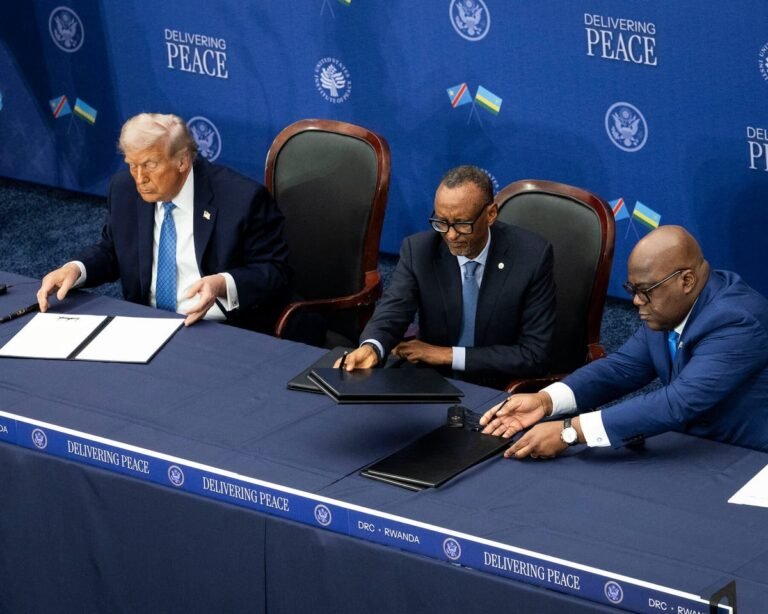
June 2025 US-brokered agreement Rwanda and DRC sign peace deal with withdrawal provisions
July 2025 Qatar-brokered ceasefire M23 and DRC government sign truce, though violations continue
October 2025 Tshisekedi’s public appeal Direct appeal to Kagame at EU forum
There is overwhelming evidence that Rwanda backs the M23 rebels. A United Nations report found that Rwanda created and commanded the M23 rebel group, with UN experts stating that up to 4,000 Rwandan troops were fighting alongside the rebels and that the Rwandan army was in “de facto control of M23 operations” . The DRC, United States, United Kingdom, and France have all accused Rwanda of supporting the M23 .
Rwanda consistently denies these allegations, maintaining that it provides no financial or military support to the M23. Instead, Kigali cites security concerns stemming from the continued existence of the Democratic Forces for the Liberation of Rwanda (FDLR) – an armed Hutu group formed by perpetrators of the 1994 Rwandan genocide that remains active in eastern DRC .
Human Cost and Humanitarian Crisis
The conflict has created a devastating humanitarian crisis in eastern DRC. The M23’s territorial advances have forced millions of people from their homes, with thousands killed in the violence .
Human rights organizations have documented extensive abuses committed by the M23. In one of the worst atrocities since the group’s resurgence, Human Rights Watch reported that M23 rebels killed at least 140 people in eastern DRC last month alone, with witnesses describing summary executions of local residents, including women and children, largely from the Hutu ethnic group . The UN Office of the High Commissioner for Human Rights reported an even higher death toll, indicating that at least 319 people were killed between July 9-21 in four villages in Rutshuru .
In areas under M23 control, residents have reported widespread repression, including mass arrests of those accused of links to the national army or allied militias, forced conscription, and a harsh crackdown on civil society activists and journalists . The rebel takeover has also triggered a deep economic crisis, with the banking sector shut down by the government in Kinshasa, unemployment soaring, and demand for basic goods collapsing amid worsening poverty .
Diplomatic Context and Regional Implications
Tshisekedi’s public appeal comes amid stalled regional and international peace efforts. In June 2025, the United States brokered a peace agreement between Rwanda and the DRC, which included provisions for Rwanda to withdraw its troops within 90 days and for the DRC to end all support for the FDLR . As of September 2025, however, Rwandan troops had not withdrawn .
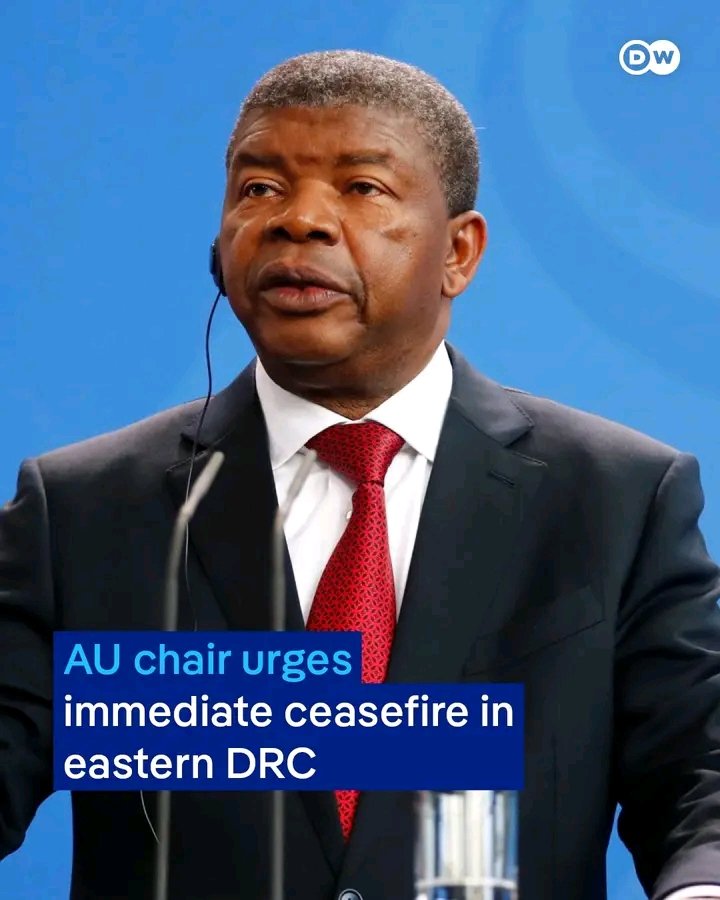
Separately, in Qatar last month, the M23 and the DR Congo government signed a ceasefire deal, intended as a step toward a permanent peace . However, negotiations have faltered, with the M23 temporarily walking away from peace talks and both sides accusing each other of violating the ceasefire .
Rwandan Foreign Minister Olivier Nduhungirehe swiftly dismissed Tshisekedi’s forum remarks as “political theatrics that have become ridiculous,” accusing the Congolese president of bringing the Congo conflict to the wrong forum . Nduhungirehe asserted that Tshisekedi alone could end the war by “ending his threats against Rwanda” and “ceasing army collaboration with the Rwandan FDLR militia” .
A Stark Contrast in Brussels
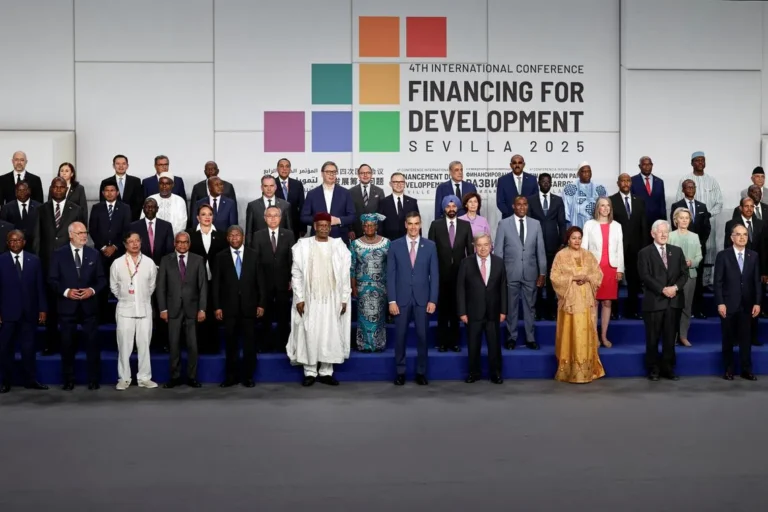
The public confrontation between the two leaders occurred at an event designed to promote international investment in infrastructure and development, creating a stark contrast between the forum’s goals of “global connectivity” and the bitter regional dispute that has plagued Central Africa for decades .
The rare direct appeal, delivered before global leaders and amplified on social media, significantly raises the diplomatic stakes in a conflict that has defied numerous resolution attempts . With the M23 currently controlling significant territory in eastern DRC, including the provincial capitals of Goma and Bukavu, and Rwandan forces allegedly maintaining their presence in the region, the path to peace remains fraught with challenges .
As President Tshisekedi noted in his appeal, “Today, we are the only two capable of stopping this escalation” . The international community now watches to see whether this public confrontation will reignite dialogue or further entrench the positions of both nations in a conflict that continues to exact an enormous humanitarian toll.
About The Author