

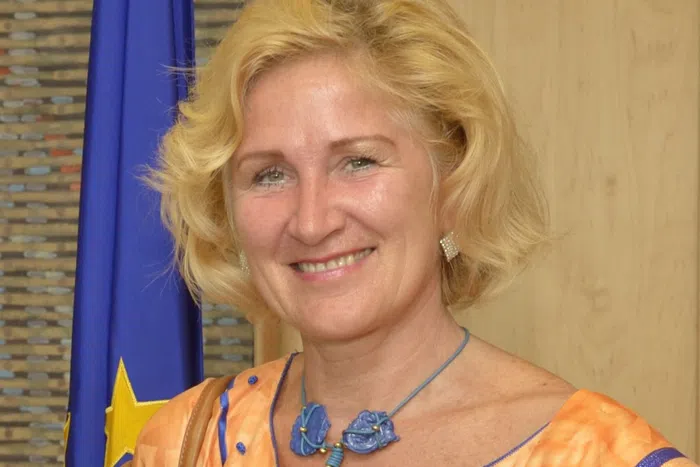
EU Parliament Summons Ugandan Envoy to Brussels Over Post-Election Crackdown
BRUSSELS — The European Parliament has formally summoned Uganda’s ambassador to the European Union, H.E. Mirjam Blaak, to appear before a delegation meeting in Brussels on Monday, as a diplomatic rift widens following the country’s disputed general elections.
The summons comes amid escalating international condemnation of the Ugandan government’s response to the 15 January polls. Ambassador Blaak is scheduled to address the meeting alongside officials from the opposition National Unity Platform (NUP), according to parliamentary sources.
The move follows the overwhelming adoption of a resolution by EU Parliamentarians in Strasbourg on 12 February, which condemned the electoral process. The resolution described the elections as “marred by abuses, widespread intimidation, fraud, violence and a nationwide internet blackout.” It also expressed “deep concern” over the reported targeting of opposition leader Robert Kyagulyanyi, commonly known as Bobi Wine, and other political figures.
The diplomatic pressure has been further amplified by Bobi Wine’s recent address to the 2026 Geneva Summit for Human Rights and Democracy. Speaking via video link from an undisclosed location where he is reportedly in hiding, the opposition leader called for robust international action. He urged the global community to impose “targeted international sanctions against President Museveni and CDF [Chief of Defence Forces]” for what he characterized as systematic repression in the wake of the election.
During Monday’s meeting in Brussels, parliamentarians are expected to press Ambassador Blaak on the specific concerns detailed in their resolution. Key issues likely to be raised include the widespread intimidation of opposition supporters, reports of arbitrary detentions, increasing restrictions on civil society, and alleged human rights violations committed during the post-election crackdown on protests.
It remains uncertain whether the diplomatic démarche will lead to concrete punitive measures. However, the meeting is seen as a critical juncture that could influence the bloc’s decision on whether to impose sanctions, such as travel bans or asset freezes, on senior Ugandan officials.
About The Author