Gen. Muhoozi Denies Soldiers Assaulted “Barbie,” Amid Raid Reports on Bobi Wine’s Home
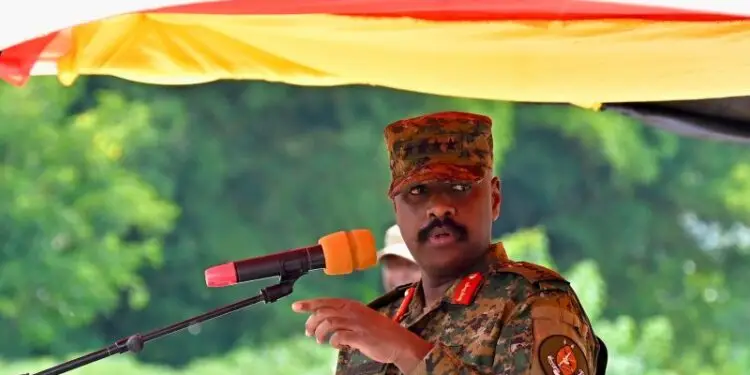
KAMPALA – The Commander of Land Forces, Gen. David Muhoozi, has publicly denied allegations that soldiers under his command assaulted a person popularly known as “Barbie.” The statement comes in the wake of a tense Friday night where social media platforms were flooded with videos appearing to show heavily armed soldiers raiding the residence of opposition figure Robert Kyagulanyi, widely known as Bobi Wine.
In a brief but firm declaration, Gen. Muhoozi stated, “My soldiers didn’t beat up Barbie,” directly addressing one of the many claims circulating online following the incident. He did not provide further details on the identity of “Barbie” or the specific circumstances of the alleged assault he was refuting.
The catalyst for the military’s presence and the General’s statement was a series of viral videos filmed on the night of January 25, 2026. The footage showed a significant deployment of uniformed soldiers, some armed and others carrying ladders, surrounding and entering the compound of Bobi Wine in Magere, Wakiso District. The nature and objective of the operation remain officially unconfirmed, but the visuals sparked immediate outcry and speculation on digital platforms.
Security analysts note that such direct military deployments to a political opponent’s home are highly unusual and risk escalating political tensions. Bobi Wine’s party, the National Unity Platform (NUP), has yet to release an official statement on the night’s events, but supporters and human rights activists have expressed alarm over the incident.
Gen. Muhoozi’s denial focuses on a specific allegation of violence, but it does not address the broader questions raised by the visibly heavy-handed military operation. Authorities have not commented on the reason for the raid, whether any arrests were made, or if any items were seized from the premises.
As of now, The Brief post cannot independently verify the claims of assault or the full intent behind the military movement. The incident underscores the fragile state of civil-military relations in the country and the potent role of social media in shaping public perception during unfolding security situations.
About The Author