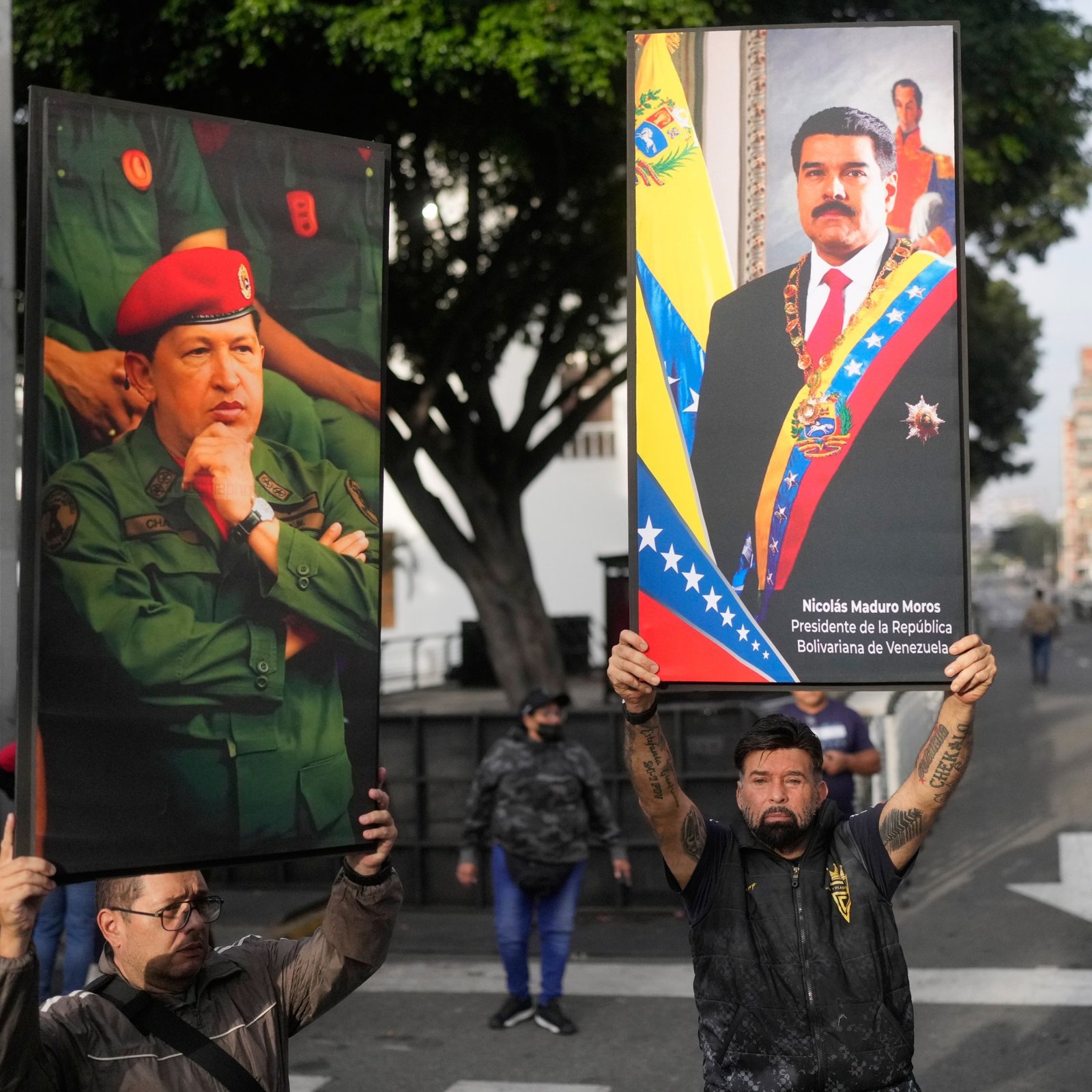
Global Condemnation Mounts as U.S. Captures Venezuelan President Maduro
Jan. 4, 2026 – The United States is facing a torrent of international condemnation and diplomatic isolation following its military operation that resulted in the capture of Venezuelan President Nicolás Maduro. From major world powers to regional blocs, the near-universal response has been one of profound alarm and sharp criticism, centering on a flagrant violation of international law and sovereignty.
🌍 International Outcry: A Violation of the UN Charter
Governments and international bodies across the globe have united in their denunciation, framing the U.S. action as a direct assault on the foundations of the post-war international order.
· China: The Foreign Ministry spokesperson stated China is “deeply shocked” and strongly condemns the “blatant use of force,” calling it a serious violation of international law and Venezuela’s sovereignty.
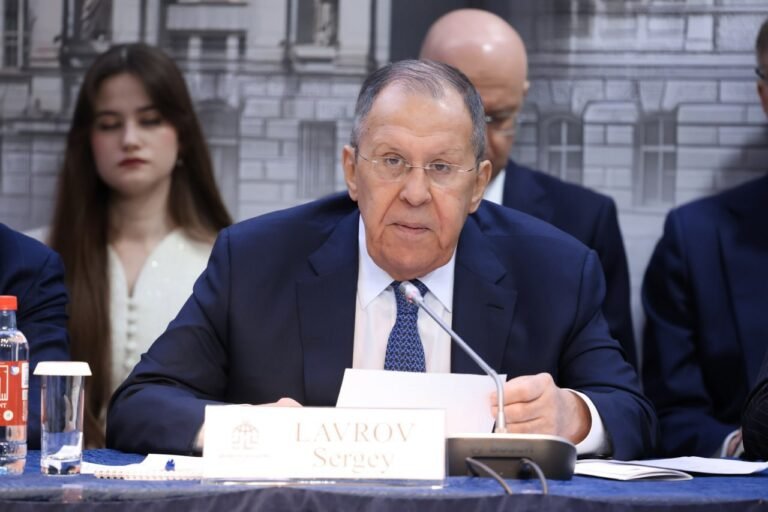
· Russia: In its earlier statement, it demanded immediate clarification and labeled the act an “unacceptable violation of the sovereignty of an independent state.”
· Iran: Its Foreign Ministry condemned the “act of aggression,” calling it a “grave breach of regional and international peace and security” that erodes the UN Charter-based order.
· African Union: In a formal communiqué, the 55-member bloc expressed “grave concern” and reaffirmed its commitment to sovereignty, territorial integrity, and the right to self-determination.
· South Africa: Explicitly called for an urgent UN Security Council session, stating the invasion “undermines the stability of the international order.”
🕊️ Regional Reactions and Calls for Diplomacy
Venezuela’s neighbors and other states have emphasized the dangerous precedent and the urgent need for peaceful resolution.
· CARICOM: The Caribbean Community, comprising 20 nations, stated it is “firmly committed” to the principles of the UN Charter and reiterated its call for peaceful dialogue through diplomatic channels.
· Qatar: Expressed “deep concern” and called for restraint, de-escalation, and dialogue as the appropriate means to address disputes, offering to contribute to peace efforts.
🏛️ Domestic Criticism and Radical Proposals
The backlash is not confined to foreign capitals, with significant criticism emerging within the United States and from international civil society.
· Sen. Bernie Sanders (I-Vt.): Accused President Trump of showing “contempt for the Constitution,” stating the president does not have the right to unilaterally take the country to war. He called the action “rank imperialism” recalling the darkest chapters of U.S. intervention in Latin America.
· NYC Mayor Zohran Kwame Mamdani: Posted on social media that the “unilaterally attacking a sovereign nation is an act of war and a violation of federal and international law,” highlighting the impact on the large Venezuelan community in New York.
· International Human Rights Foundation (IHRF): The Madrid-based NGO issued the most scathing critique, condemning the aggression as “international terrorism.” It made the extraordinary call for the relocation of United Nations headquarters away from the United States, which it called an “erratic and dangerous actor, unfit for strategic partnership.”
⚖️ Analysis: A Unifying Moment of Global Opposition
The scale and tone of the global reaction are unprecedented in recent decades. Analysts note that the operation has achieved a rare feat: uniting often-divided geopolitical rivals like China, Russia, and the West’s own allies in common cause against a perceived breach of fundamental international norms. The overwhelming emphasis on the UN Charter’s prohibition on the use of force underscores a deep-seated fear that this action legitimizes a return to an era of “might makes right.”
With the UN Security Council poised to meet at the request of multiple member states, the world now watches to see if diplomatic pressure can alter the course of a crisis that has dramatically reshaped the global geopolitical landscape in a matter of hours. The capture of a sitting head of state has not only ignited a firestorm of protest but has also triggered a profound crisis of legitimacy for the prevailing international system.
About The Author