
Government Attributes Foul Smell on Lake Victoria to Pollution and Algal Decay
Officials pinpoint nutrient pollution from wastewater and runoff as the cause of severe odours in Inner Murchison Bay, urging stronger environmental measures.
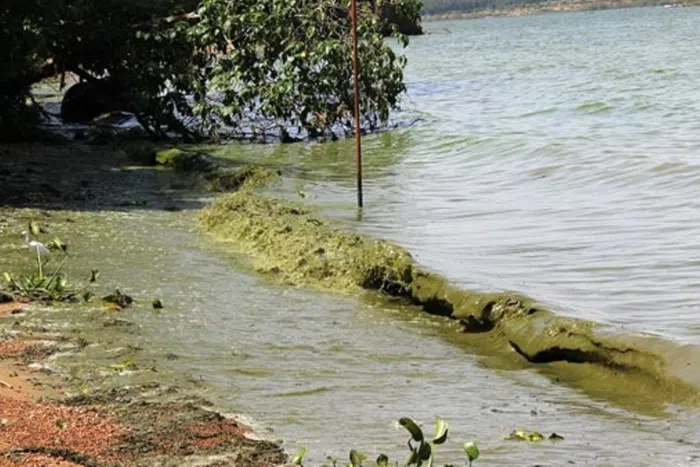
The Ugandan government has officially addressed the widespread complaints of a foul smell emanating from parts of Lake Victoria, blaming the stench on pollution-fueled algal blooms. The Ministry of Water and Environment stated that the phenomenon is most severe around the heavily utilized Inner Murchison Bay, affecting areas including Luzira and parts of Entebbe.
According to the ministry, the lake—a vital resource supporting over 45 million people for water, transport, power, and livelihoods—is under significant strain. Inner Murchison Bay, a shallow section, has been receiving large volumes of pollutants from multiple sources: surface runoff, municipal wastewater, industrial effluent, agricultural activities, and plastic and human waste.
These pollutants have caused a persistent rise in nutrient levels, particularly nitrogen and phosphorus, which act as fertilisers for excessive algae growth. When these algae die, their decomposition process consumes oxygen and releases gases such as hydrogen sulphide and ammonia, which produce the characteristic rotten-egg and pungent odours. This process also depletes oxygen in the water, threatening aquatic life and potentially causing fish kills. Recent high temperatures and dry conditions have accelerated the decomposition, intensifying the smell.
In response, the government outlined several corrective measures, including:
· Restoring degraded wetlands.
· Enforcing lake buffer zones.
· Strengthening water quality monitoring.
· Compelling industries and treatment plants to comply with effluent discharge standards.
· Encouraging industries to adopt cleaner technologies and wastewater recycling.
However, the ministry acknowledged that current efforts are insufficient. It called for enhanced solid waste management, the promotion of eco-friendly agriculture, tougher enforcement by urban authorities, and increased public awareness to foster a shared responsibility in protecting the lake from further degradation.
The statement underscores the ongoing environmental challenges facing Lake Victoria, framing the current odour issue as a direct symptom of broader pollution pressures that require sustained and concerted action to resolve.
About The Author