Headline: Guinea’s Biometric Crackdown Exposes Massive “Ghost Worker” Problem, Saves Millions
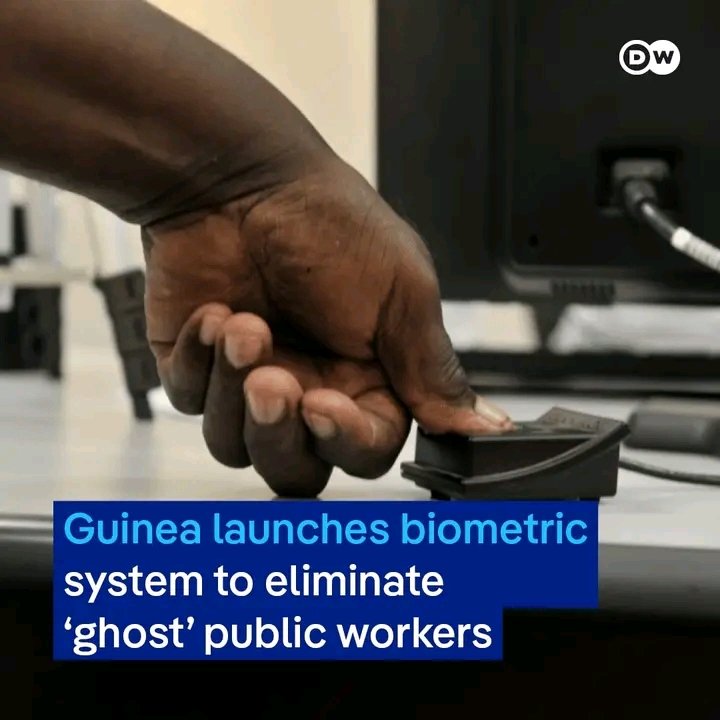
In a sweeping move to modernize its civil service and root out corruption, the West African nation of Guinea has launched a new biometric verification system that has already uncovered a startling reality: nearly half of its registered public servants may not exist.
The system, called the Unique Administrative and Payroll Management Platform (FUGAS), requires all civil servants to verify their identity using biometric data to remain on the government payroll. A recent pilot audit using the technology yielded dramatic results, saving the government an estimated $26.9 million. The audit confirmed that fewer than 150,000 of the country’s 270,000 registered civil servants actually report for work, revealing a vast network of “ghost workers”—non-existent, deceased, or fraudulent employees who drain public funds.
“This is a major step toward modernizing the civil service and strengthening our anti-corruption efforts,” a government statement declared. The implementation of FUGAS represents a direct attempt to seal the leaks in a system long plagued by payroll fraud, ensuring that state salaries go only to legitimate, verified employees.
Guinea’s struggle is far from unique. Across Africa, the scourge of ghost workers has siphoned billions of dollars from national budgets, diverting critical resources away from essential public services like healthcare, education, and infrastructure. Guinea’s success with the FUGAS pilot is now being seen as a potential model for other nations grappling with similar issues.
The significant savings from the initial phase underscore the scale of the problem and the effectiveness of biometric technology in addressing it. As more countries seek to clean up their public administrations and conserve scarce financial resources, biometric verification systems like FUGAS are increasingly becoming a tool of choice in the fight against systemic payroll corruption.
About The Author