IMF Data Reveals Africa’s Top Debtors, Highlighting Mounting Fiscal Crisis
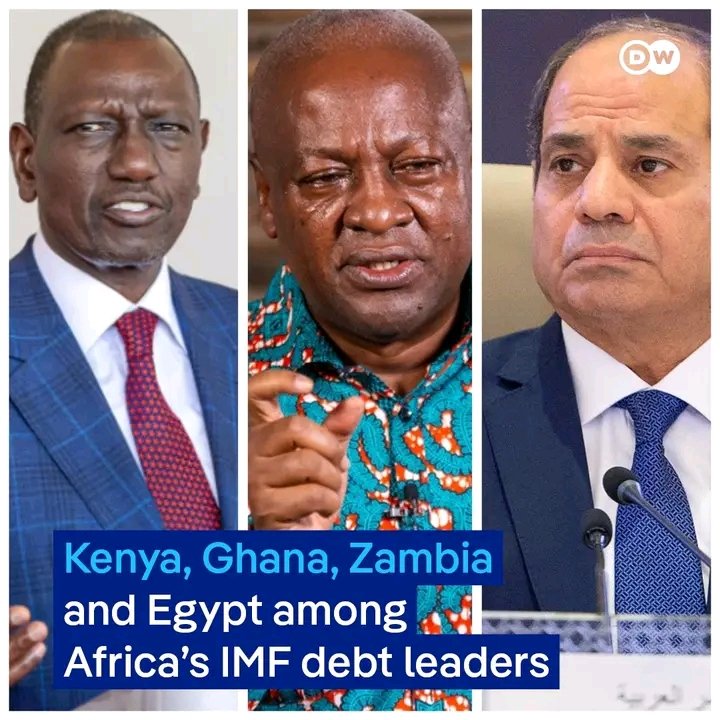
New data from the International Monetary Fund (IMF) has identified Egypt, Côte d’Ivoire, and Kenya as the African nations carrying the largest loan balances with the Fund, underscoring the continent’s growing debt sustainability challenges.
The figures, which reflect positions as of the latest review, place Angola, Ghana, and the Democratic Republic of Congo next in line among the most indebted. Ethiopia, Cameroon, Tanzania, and Zambia also feature prominently on the list, revealing a widespread reliance on IMF financing across major economies.
This surge in borrowing is largely traced to the COVID-19 pandemic era, during which the IMF emerged as a critical development partner. The Fund deployed extensive funding programs to help governments stabilize currencies, support health systems, and revive battered economies.
However, the lifeline has come at a steep cost. With global interest rates rising and currencies under pressure, servicing these debts has become increasingly burdensome. Analysts note that significant portions of national revenues are now directed toward repayments and interest, leaving scant resources for vital domestic investments in infrastructure, education, and social services.
“The data reflects a painful trade-off,” commented a regional economist with the African Development Bank. “The funds were essential for urgent stabilization, but the repayments are now constraining fiscal space, forcing many countries into a cycle of borrowing to service existing debts. The situation is becoming unsustainable for several.”
The IMF has repeatedly warned of debt vulnerabilities in low- and middle-income countries. While its programs are designed to support reforms and restore stability, the sheer scale of the accumulated debt highlights the protracted recovery challenges these nations face.
The top ten African IMF debtors are:
- Egypt
- Côte d’Ivoire
- Kenya
- Angola
- Ghana
- Democratic Republic of Congo
- Ethiopia
- Cameroon
- Tanzania
- Zambia
The concentration of large loan balances among some of Africa’s most dynamic and populous economies points to a systemic risk. If growth underperforms or export revenues falter, the strain on public finances could intensify, potentially leading to requests for debt restructuring or further austerity measures.
The IMF maintains that its continued engagement is crucial to supporting necessary economic reforms. Yet, the latest data serves as a stark indicator of the delicate path ahead for African policymakers, who must navigate between fulfilling international obligations and funding the development needs of their rapidly growing populations.
About The Author