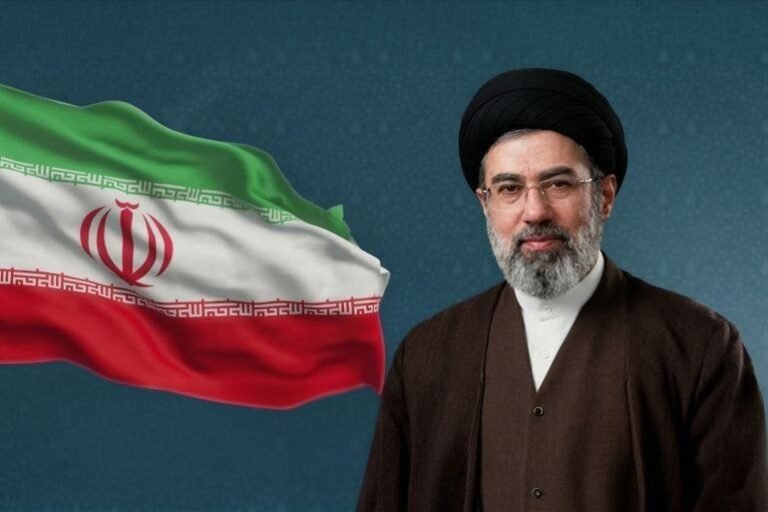

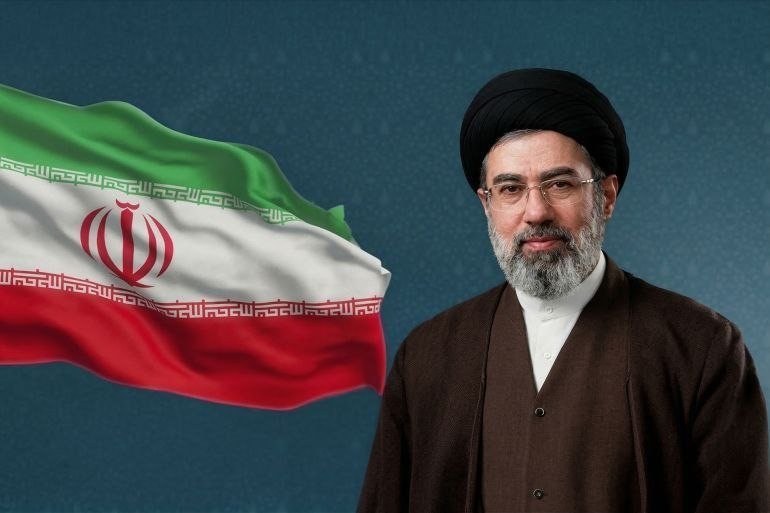
In Stark Address, Mojtaba Khamenei Issues Ultimatum to U.S., Signaling Strategic Shift
TEHRAN — In a tightly scripted 12-minute address on Saturday, Ayatollah Sayyed Mojtaba Khamenei delivered what analysts are calling a transformative moment in Iranian strategic doctrine, moving from rhetorical condemnation to a direct ultimatum with defined deadlines for the United States.
The speech, which aired on state television, began with familiar themes—decades of American “war rhetoric,” sanctions, assassinations, and regional interference. However, approximately halfway through, the tone shifted sharply from a retrospective of grievances to a prescriptive list of demands.
Sayyed Mojtaba laid out three concrete conditions for de-escalation, each attached to a specific timeline: the rapid withdrawal of American military forces from the Middle East, the complete lifting of economic sanctions within 60 days, and the provision of long-term financial compensation for what he described as economic damages inflicted on the Iranian people.
The address culminated in a direct ultimatum. Should the United States fail to comply, Sayyed Mojtaba warned of an operational escalation across three fronts: economically, through the closure of the Strait of Hormuz; militarily, by formalizing defensive pacts with Russia and China; and nuclearly, by moving from the current policy of ambiguity to a declared stance of nuclear deterrence.
Coordinated Response
The timing and nature of external reactions lent weight to the address’s implications. Within hours of the speech, Beijing and Moscow issued statements that, while carefully worded, aligned explicitly with Tehran’s framework. Diplomatic observers noted that the coordination suggested the messaging was pre-negotiated, signaling a unified front among the three powers regarding the future of American influence in the region.
A Shift in Leadership Style
The address also highlighted a potential evolution in Iran’s leadership structure. According to the text of the speech and subsequent analysis, Sayyed Mojtaba Khamenei represents a departure from the long-term balancing tactics employed by his predecessor, Sayyed Ali Khamenei. Where the former approach favored controlled escalation and strategic patience, the current leadership appears prepared to pursue faster, more decisive outcomes.
Internal sources cited in the address indicated that the Islamic Revolutionary Guard Corps (IRGC) is pressing for structural changes rather than gradual reforms. The military wing is reportedly advocating for the permanent removal of American influence from the region, the restoration of Iran’s military standing, and a fundamental renegotiation of the terms of global engagement.
A New Strategic Landscape
Analysts note that Iran is positioning itself from a point of relative strength. Rising global oil prices, ongoing regional instability, deepening alignment with both Beijing and Moscow, and identified vulnerabilities in international trade routes have collectively altered the strategic calculus.
“This was not just a speech,” one regional analyst familiar with the proceedings commented. “It was a test. A test of whether the United States is ready, or even capable, of acting under a new set of constraints.”
The coming weeks are expected to determine whether Washington engages with the demands or rejects them, a decision that observers warn will likely define not only the trajectory of the current conflict but also the broader balance of power in the Middle East for decades to come.
About The Author