Kagame Defends Rwanda’s Security Stance Amid DRC Tensions and U.S. Sanctions
President tells diplomatic corps that Rwanda faces “impossible choice” between self-defence and international condemnation
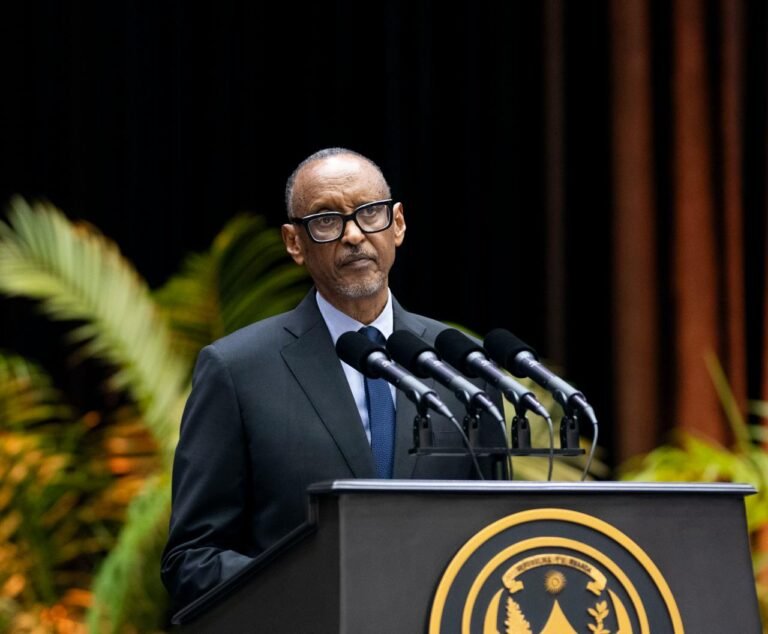
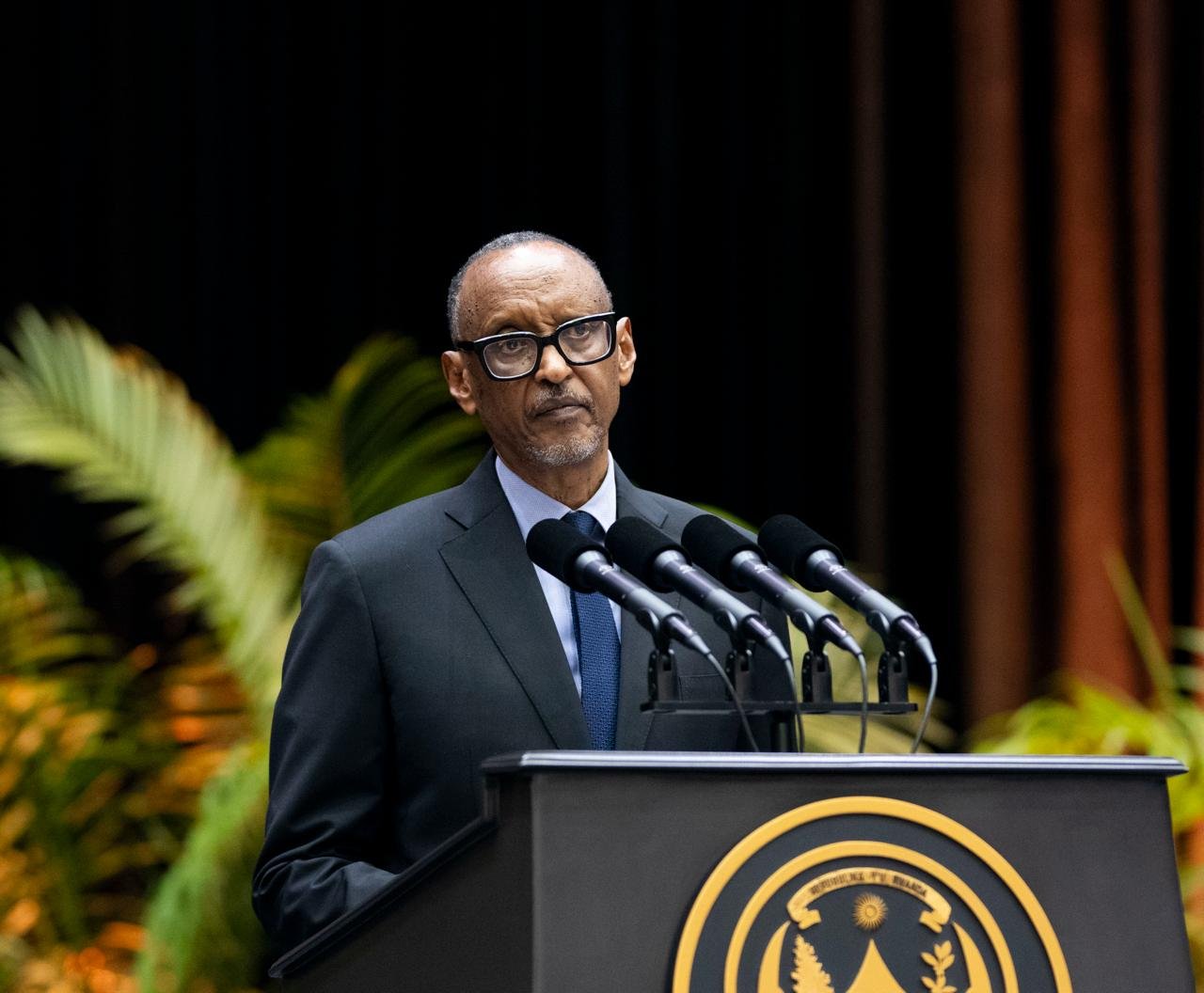
President Paul Kagame on Thursday hosted Rwanda’s diplomatic corps at the Kigali Convention Centre, delivering a robust defence of his government’s position on the protracted conflict in eastern Democratic Republic of Congo, even as the United States announced visa restrictions on senior Rwandan officials.
The March 6 address comes against a backdrop of heightened regional tensions, with the U.S. and DRC accusing Rwanda of backing M23 rebels operating in Congolese territory—allegations Kigali has consistently denied.
Decades of “Neglect and Complacency”
In his remarks to assembled diplomats, President Kagame placed the ongoing conflict in historical perspective, blaming international inaction for its longevity.
“The conflict in eastern DRC is neither new, nor is it too difficult to understand,” Kagame stated. “It has been prolonged for decades, due to neglect and complacency, notably by those with the power to make the biggest difference in resolving it.”
The President specifically cited the continued presence of the FDLR (Democratic Forces for the Liberation of Rwanda), a rebel group whose leadership includes individuals implicated in the 1994 Genocide against the Tutsi, as the primary source of Rwanda’s security concerns.
“Rwanda’s security concerns stem from the continued presence of the FDLR and its violent extremist ideology, which is the ideology of genocide,” he said. “Unfortunately, that seems to have some backers in the region and beyond, under all kinds of guises.”
“Badge of Honour”: Rwanda Reacts to U.S. Sanctions
The President’s address coincided with the same-day announcement by the United States imposing visa restrictions on unnamed senior Rwandan officials over alleged support for the M23 rebel group.
Kagame appeared to dismiss the punitive measures, suggesting they would not sway Rwanda from its security objectives.
“If you are sanctioned for something you haven’t done, or for defending your country, that becomes a badge of honour,” Kagame declared, while reiterating his government’s commitment to national defence. “We will have our shoulders burdened and remain dignified.”
The Washington Accords and an “Impossible Choice”
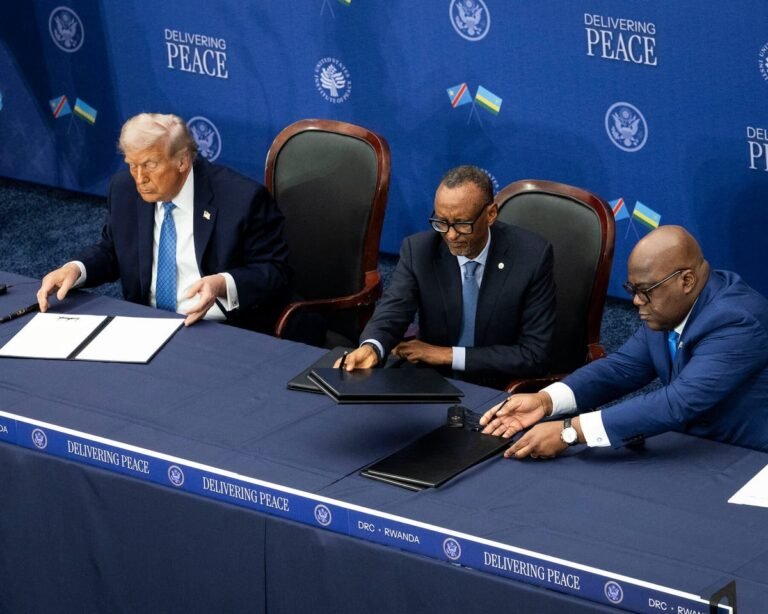
President Kagame conditioned any easing of Rwanda’s defensive measures—which the U.S. and DRC interpret as support for M23—on full adherence to the December 2025 Washington Accords. The agreement demands troop withdrawals from eastern DRC, neutralisation of the FDLR, and normalisation of economic ties between the two neighbours.
However, Kagame expressed frustration with what he characterised as unequal implementation of such agreements.
“By definition, a signed peace agreement should bind all parties equally and implementation should follow the text,” he noted. “However, this has not been our experience. What we see instead, is that one party is expected to carry almost the whole burden.”
The President framed Rwanda’s strategic dilemma in stark terms:
“As things stand, Rwanda faces an impossible choice: To either tolerate the continued presence of the FDLR and its growing network of militias and allow them to grow closer to our border. Or to defend ourselves and be condemned for it. The choice is, therefore, very clear. In our position, would any other country make a different choice?”
Historical Imperatives and Regional Stability
Throughout his address, Kagame invoked Rwanda’s traumatic history as the foundational justification for its current security posture.
“We have made a promise to ourselves, to never go back to the dark days, to that darkness,” he said. “We can’t go back and that is not something we will waver from.”
The President emphasised that Rwanda’s geographical reality demands vigilance. “Rwanda, because of its history and its geography, requires defensive borders. Our defensive measures are aimed at this objective, and nothing else.”
New Envoys Received
Earlier in the day at Urugwiro Village, President Kagame received letters of credence from four new ambassadors to Rwanda:
· Mali: Ambassador Brigadier General Boubacar Diallo
· Switzerland: Ambassador Gilles Cerutti
· Republic of the Congo: Ambassador Mokiemo Jean Félix
· Saudi Arabia: Ambassador Mohammed Bin Khalil Faloudah
The ceremonial reception of the new envoys proceeded as scheduled amid the ongoing diplomatic tensions, underscoring Rwanda’s continued engagement with international partners even as it pushes back against Western pressure over the DRC conflict.
Looking Ahead
With the Washington Accords now entering their fourth month without full implementation, and U.S. sanctions beginning to take effect, regional observers note that the coming weeks will be critical in determining whether diplomatic pathways can succeed where military solutions have thus far failed.
President Kagame’s uncompromising address suggests that Rwanda will not alter its security posture without concrete action against the FDLR—a position that continues to place Kigali at odds with both Washington and Kinshasa, even as the human cost of instability in eastern DRC mounts.
About The Author