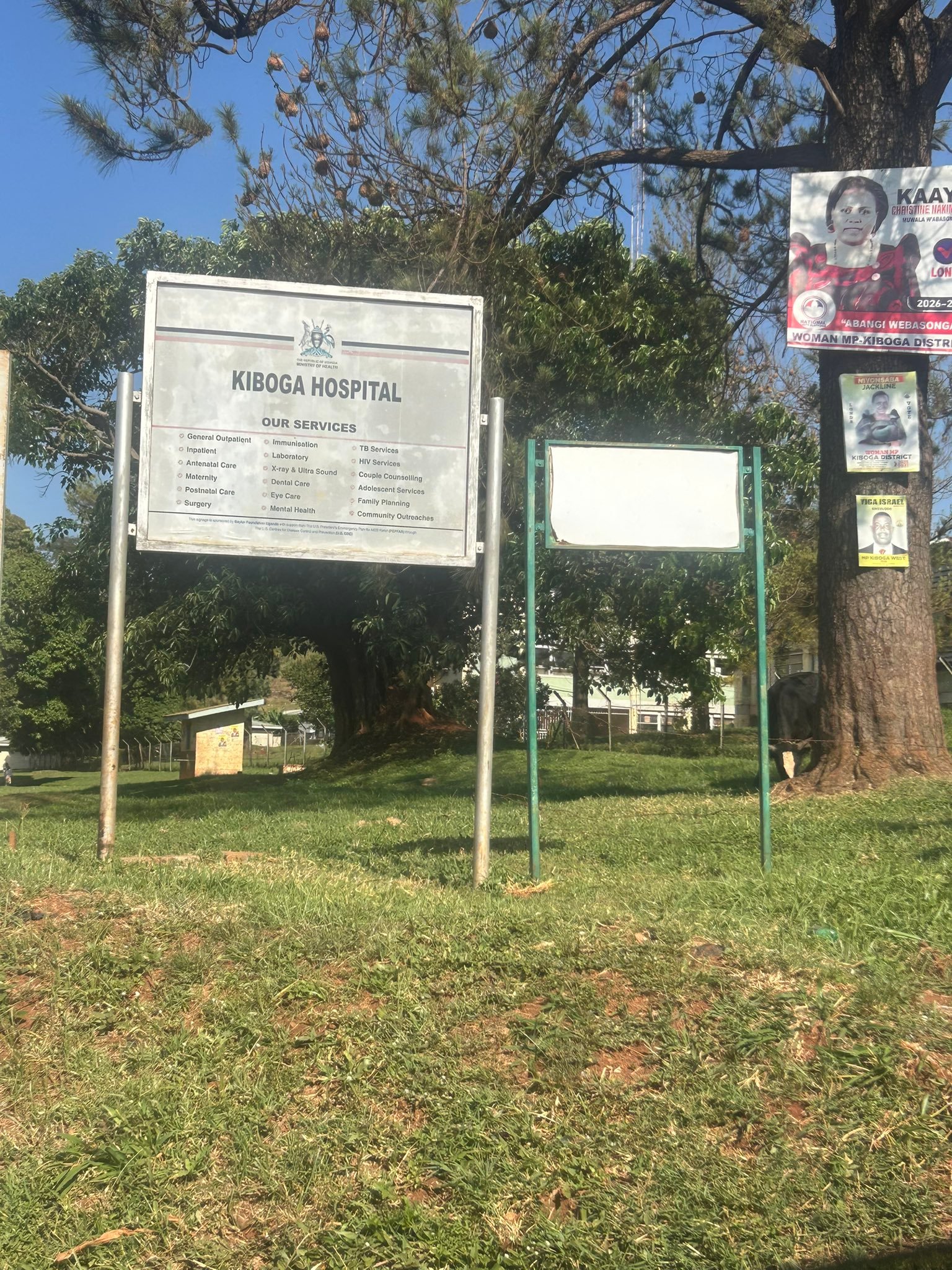
Kiboga Hospital Neglect Leads to Woman’s Death, Sparking Outrage and Allegations of Bias
KIBOGA, UGANDA – A woman injured in a road accident has died following what witnesses describe as a shocking case of medical neglect and alleged political bias at Kiboga Hospital. The incident, detailed in a viral social media thread by journalist Mbabazi Faridah, has ignited national outrage and drawn attention to the state of Uganda’s public healthcare system.
A Witness Account of Neglect
According to Faridah’s detailed account, the victim was involved in an accident on Monday. After initial pleas for help to authorities and contacts within the ruling National Resistance Movement (NRM) went unanswered, she was brought to Kiboga Hospital with the assistance of Musumba Lubambula, a local council official affiliated with the opposition National Unity Platform (NUP).
Faridah, who visited the hospital on Tuesday, described a scene of abandonment. Despite the woman showing clear signs of critical injury—coughing blood, internal bleeding, and a broken hand—the only treatment she received was an intravenous (IV) drip. “No one monitored her. No one showed urgency,” Faridah wrote. “She was left alone in a room with her family, abandoned by the very system that is supposed to save lives.”
A Delayed and Chaotic Transfer
On Tuesday morning, a doctor advised transfer to the better-equipped Hoima Regional Referral Hospital, citing a lack of machines and medicine at Kiboga. However, the process was plagued by delays.
A transfer note was written, but arranging an ambulance became an “ordeal.” Family claims that calls to NRM contacts were ignored or blocked. When an ambulance finally arrived late, no hospital staff assisted in moving the patient. Faridah and family members had to carry the woman onto the vehicle themselves.
A Confrontation with “Cruelty”
As the woman’s condition rapidly deteriorated in the ambulance, Faridah ran to plead with the attending doctor for immediate help. She described his response as “horrifying.”
“He said he wouldn’t rush, that he would ‘work at his own pace,'” she recounted. “I begged him, I cried… but he coldly told us he knew the patient and if she were going to die, he was not God.”
Faridah alleges the doctor, upon learning she was a journalist, dismissed her: “Take your nonsense away; you are here looking for news.” By the time the doctor approached the ambulance, it was too late. The woman had died.
Allegations of Systemic and Political Failure
Faridah’s narrative connects the tragedy to broader failures. She concluded, “She did not die because survival was impossible. She died because the doctor refused to attend to her… She died because the first help she received came from a NUP member.”
This allegation of political bias in treatment has resonated in Uganda’s highly charged political environment. The story summary included with the posts also notes “chronic issues at the facility including past maternal deaths and delayed transfers.”
In a follow-up post, Faridah lamented the state of public hospitals: “These hospitals are empty shells just walls and paint. Inside, there is nothing to save a human life: no medicines, no equipment, no hope… Today it’s her tomorrow it could be you or me.”
Official Silence and Public Outcry
As of now, there has been no official statement from the administration of Kiboga Hospital, the Kiboga District health office, or the Ministry of Health regarding the specific allegations.
The story, shared under hashtags like #FreeUgandaNow, has generated significant traction on social media, adding to ongoing narratives about governance and service delivery. The incident underscores the desperate challenges within Uganda’s public health system, where outcomes can be tragically influenced by inadequate resources, alleged negligence, and the country’s deep political divisions.
About The Author