M23 Rebels Announce Withdrawal from Eastern Congolese City of Uvira
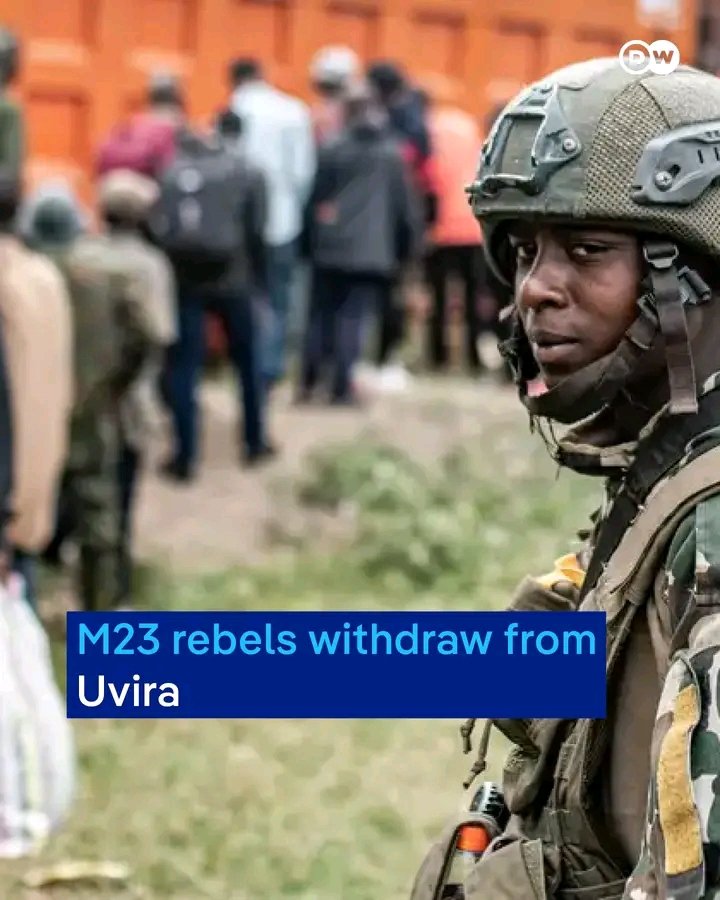
UVIRA, Democratic Republic of Congo – The Rwanda-backed M23 rebel group has begun withdrawing from the strategic eastern city of Uvira in South Kivu province, its leader announced, promising to complete the pullout by Thursday.
In a post on the social media platform X, M23 leader Bertrand Bisimwa confirmed the withdrawal was underway and urged civilians to remain calm.
“We call on the mediators and partners to ensure that this locality is protected from all violence, acts of retaliation or re-militarization,” Bisimwa stated, framing the move as part of U.S.-backed regional peace efforts.
The withdrawal follows a series of recent advances by the militia in South Kivu that had displaced thousands of civilians and raised significant international concern over human rights and safety. The group’s capture of positions near Uvira had threatened to open a new front in a conflict largely centered in neighboring North Kivu.
Escalation and Displacement
M23’s push into South Kivu marked a geographical expansion of a conflict that has simmered in eastern Congo for over a decade. The recent offensive exacerbated an already severe humanitarian crisis, forcing communities to flee and straining aid resources.
Regional mediators, including the United States, have been pressing for de-escalation and a return to dialogue. The promised withdrawal from Uvira appears to be a direct result of this diplomatic pressure, though past ceasefires and disengagement commitments in the region have often broken down.
A Cautious Calm
As news of the withdrawal spread, residents in Uvira reported a tense but quiet atmosphere. Local authorities and United Nations peacekeeping forces are expected to play a key role in maintaining security in the vacuum left by the rebels’ departure.
The international community will be watching closely to see if the pullout is completed as promised and whether it leads to a broader reduction in hostilities. The situation remains fragile, with deep-seated issues of governance, resource competition, and regional rivalries continuing to fuel instability in eastern Congo.
About The Author