Mali and Burkina Faso Impose Reciprocal Ban on US Travelers
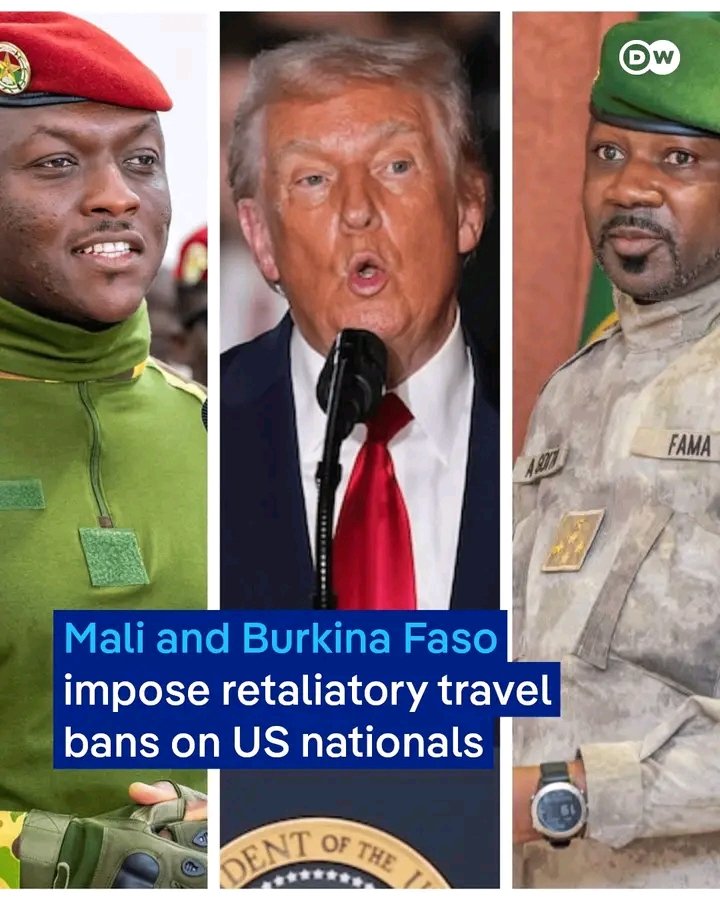
DAKAR, Senegal – In a sharp diplomatic escalation, the military governments of Mali and Burkina Faso announced on Friday that they would ban citizens of the United States from entering their territories. The move is a direct response to the recent expansion of US travel restrictions, which included both West African nations.
The decision comes weeks after US President Donald Trump added Mali, Burkina Faso, and Niger to a list of countries facing stringent travel restrictions. The US administration cited “ongoing attacks by armed groups” and insufficient security cooperation as the primary reasons for its ban, which limits the issuance of certain immigrant visas.
The reciprocal measures from Bamako and Ouagadougou mark a new low in relations between Washington and the junta-led states in West Africa’s restive Sahel region. Both nations have experienced significant political upheaval, with military factions seizing power in coups in 2021 and 2022, respectively. The juntas had justified their takeovers by pledging to restore security and decisively defeat the militant Islamist and ethnic insurgent groups that have ravaged the region for years.
However, insecurity has persisted and, in some areas, intensified since the coups. This failure to curb violence was a key factor in the US decision to impose travel restrictions. Analysts suggest the reciprocal bans are a symbolic act of political defiance from regimes that have increasingly distanced themselves from Western partners, turning instead toward strategic and military cooperation with Russia.
“The tit-for-tat travel bans underscore the complete breakdown in diplomatic rapport,” said Dr. Émile Ouédraogo, a Sahel political analyst. “This is no longer just about security assessments; it’s a political standoff. The juntas are signaling that they will not accept what they perceive as punitive measures from the US without response.”
The practical impact of the bans is still being assessed. US citizen presence in both countries is typically limited to diplomats, aid workers, security personnel, and a small number of journalists and entrepreneurs. Any remaining official US military or development cooperation could be further complicated.
The situation highlights the deepening rift in the Sahel, where military governments are consolidating power and rejecting traditional Western alliances. As insecurity continues to displace millions and destabilize the region, the path to mending US relations with Mali and Burkina Faso appears increasingly narrow.
About The Author