
Saif al-Islam Gaddafi, Son of Former Libyan Dictator, Reportedly Assassinated
February 4, 2026
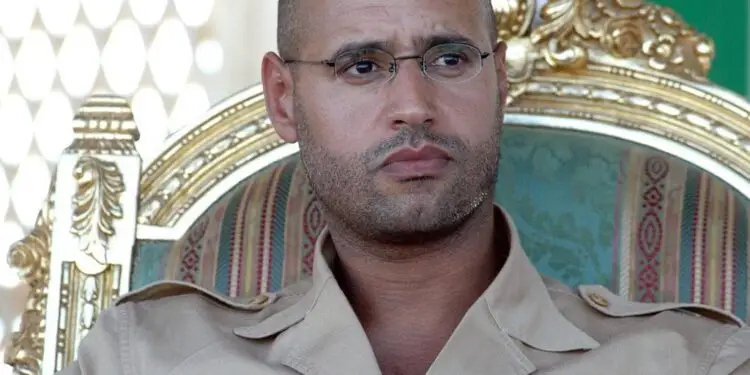
Saif al-Islam Gaddafi, the once-powerful son and heir apparent of late Libyan leader Muammar Gaddafi, has been shot dead, according to multiple reports confirmed by his associates.
The 53-year-old’s death was announced on Tuesday by the head of his political team to the Libyan News Agency. Conflicting accounts have emerged regarding the location and circumstances of the killing.
His lawyer told AFP that a “four-man commando” unit assassinated Gaddafi at his home in the city of Zintan. However, his sister offered a competing narrative on Libyan TV, claiming he was killed near the country’s border with Algeria. The identity and motives of the assailants remain unclear.
From Heir Apparent to International Fugitive
Saif al-Islam, born in 1972, was long considered the most influential figure in Libya after his father, who ruled from 1969 until his overthrow and killing during the 2011 uprising.
Educated in the West, he played a pivotal role in Libya’s diplomatic rapprochement with Western nations in the 2000s, including negotiations that led to the abandonment of Libya’s nuclear weapons program. This earned him a reputation in some circles as a reformist and the acceptable face of a changing Libya.
Following the 2011 revolt, he was accused by the International Criminal Court (ICC) of crimes against humanity for his alleged key role in the brutal suppression of anti-government protests. Captured by a militia in Zintan, he was held for nearly six years without being transferred to the Hague.
In 2015, a court in Tripoli sentenced him to death in absentia. He was released in 2017 under an amnesty law by a militia in Tobruk, in eastern Libya.
A Legacy of Division
Since the fall of the Gaddafi regime, Libya has descended into chronic instability, fractured between rival governments and a patchwork of militias. Saif al-Islam’s presence remained a potent symbol of the old regime.
Despite previously stating that power was “not a farm to inherit,” he announced his candidacy for the presidency in planned 2021 elections, which were later postponed indefinitely. His death removes a controversial but significant figure from Libya’s complex political landscape, where his fate was intertwined with the nation’s unresolved conflict and search for stability.
About The Author