South African Politicians to Receive Salary Increases Amid Economic Scrutiny
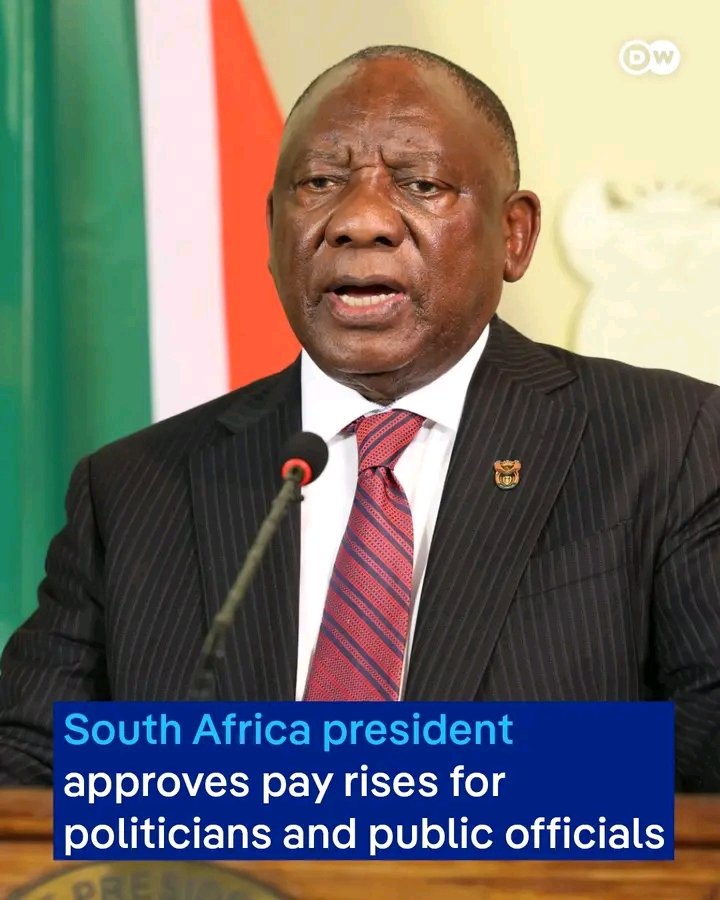
JOHANNESBURG — South African President Cyril Ramaphosa has signed off on salary increases for the country’s politicians, judges, and other public office bearers, a move that has ignited debate as many citizens grapple with high living costs.
The adjustments, which will be backdated to April 1, set the new annual salaries at approximately $177,000 for Deputy President Paul Mashatile, $151,000 for cabinet ministers, and $124,000 for deputy ministers. Members of Parliament will see their pay rise to about $71,000.
In a statement, the Presidency defended the decision, stating the hikes were determined after “consideration of inflation, the state of the fiscus, and the salary adjustments for the rest of the public service.” The increases are based on recommendations from the Independent Commission for the Remuneration of Public Office Bearers.
The announcement has drawn swift and mixed reactions. Some labor unions and political opposition groups have criticized the timing and principle of raising politicians’ pay while the country faces persistent economic challenges, including high unemployment and inequality.
“This is a slap in the face of millions of South Africans who are struggling to put food on the table,” said a spokesperson for the opposition Economic Freedom Fighters (EFF). “It shows a disconnect between the political elite and the people they serve.”
Trade union federation COSATU, a nominal ally of the ruling African National Congress (ANC), also expressed disapproval. “We believe that leadership should be shown in times of fiscal constraint,” a union official noted, suggesting the funds could be better directed toward public services or lower-level civil servants.
The government last year implemented a wage freeze for top officials, making these the first increases in several years. Proponents argue that competitive salaries are necessary to attract and retain skilled individuals in public service and to keep pace with the cost of living.
The raises come as the National Treasury emphasizes the need to curb public spending to stabilize debt, adding another layer to the contentious debate over public sector compensation.
About The Author