South Sudan President Kiir Dismisses Powerful Vice-President in Major Political Shakeup

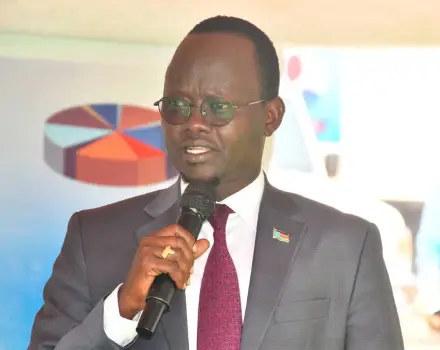
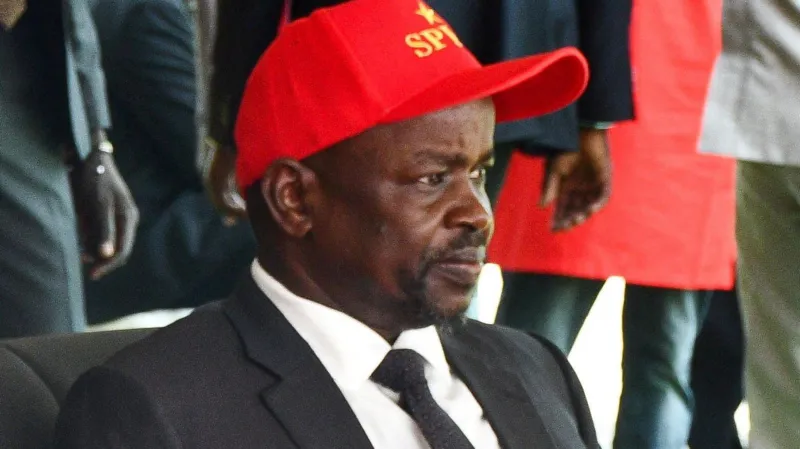
JUBA – In a sudden and significant political move, South Sudan’s President Salva Kiir has dismissed his First Vice-President, Benjamin Bol Mel, a figure widely seen as a potential successor, in a sweeping decree that has sent shockwaves through the world’s youngest nation.
The announcement, made via state television on Friday, provided no reason for the removal of Bol Mel, who was also stripped of his military rank of general and dismissed from the National Security Service (NSS). The decree further extended to the dismissal of the central bank governor and the head of the national revenue authority, both considered close allies of the ousted vice-president.
The dramatic reshuffle comes at a time of heightened political tension and fears of a slide back into civil war, following the recent collapse of a fragile 2018 power-sharing agreement between Kiir and opposition leader Riek Machar.
Bol Mel, 47, responded to his dismissal with notable conciliation. In a letter addressed to President Kiir, he wrote, “I extend my deepest gratitude to you for granting me the privilege to serve the people of South Sudan as vice president.” He added, “I have full confidence that South Sudan and the SPLM [governing party] will continue to rise under your stewardship.”
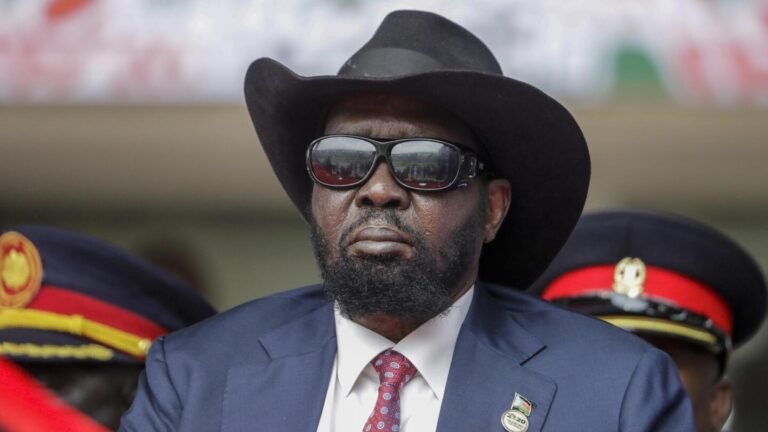
His appointment in February was a rapid political ascent. He replaced veteran politician James Wani Igga and was subsequently elevated to the powerful position of First Deputy Chairman of the ruling Sudan People’s Liberation Movement (SPLM). Analysts viewed these moves as positioning him as a likely successor to the 74-year-old president.
However, Bol Mel’s prominence was contentious. In 2017, the United States placed sanctions on him for alleged corruption, accusing him of being Kiir’s “principal financial advisor”—a description the president’s office denied. The sanctions were renewed earlier this year, though Bol Mel has never publicly addressed the allegations.
The dismissal follows intense speculation on social media about an internal power struggle within the SPLM. A senior government official, who spoke to the BBC on condition of anonymity for safety reasons, described Bol Mel as a “divisive figure” in government, stating, “It’s good that he has gone.”
This sentiment was echoed by some citizens in the capital. A Juba taxi driver told the BBC, “Everybody hates this man. Even in his home town of Aweil people celebrated his dismissal. We are happy for President Kiir.”
Reports indicate that hours before the official announcement, Bol Mel’s security detail was withdrawn from his residence and offices in Juba, a typical precursor to a high-level political ousting.
President Kiir has not yet announced replacements for the vacated positions.
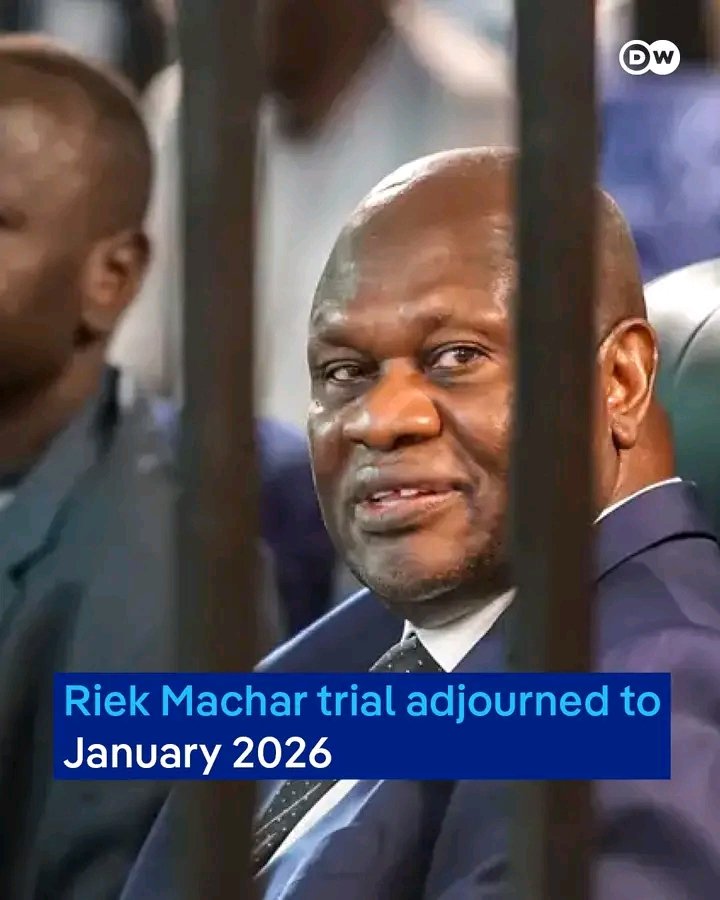
The political landscape in oil-rich South Sudan remains volatile. The country’s planned elections have been postponed twice in three years, and fighting between government forces and armed groups has recently escalated. The situation was further inflamed earlier this year when Kiir sacked and arrested his other main rival, Riek Machar, who now faces charges of murder, treason, and crimes against humanity. Machar’s spokesperson has denounced the charges as a “political witch-hunt.”
With the removal of Bol Mel, President Kiir has consolidated his power, but analysts warn that the sudden move risks deepening political fractures in a nation still struggling to find peace.
About The Author