U.S. Carriers Execute Rare Split-Force Posture as USS Ford Vanishes From Trackers; Analysts Warn of “Escalation Insurance” Off Israeli Coast
The United States Navy has orchestrated one of its most aggressive naval postures in the Middle East since World War II, positioning two aircraft carrier strike groups on opposite sides of Iran in a configuration that military analysts describe not as a defensive measure, but as the architecture for a two-front conflict.
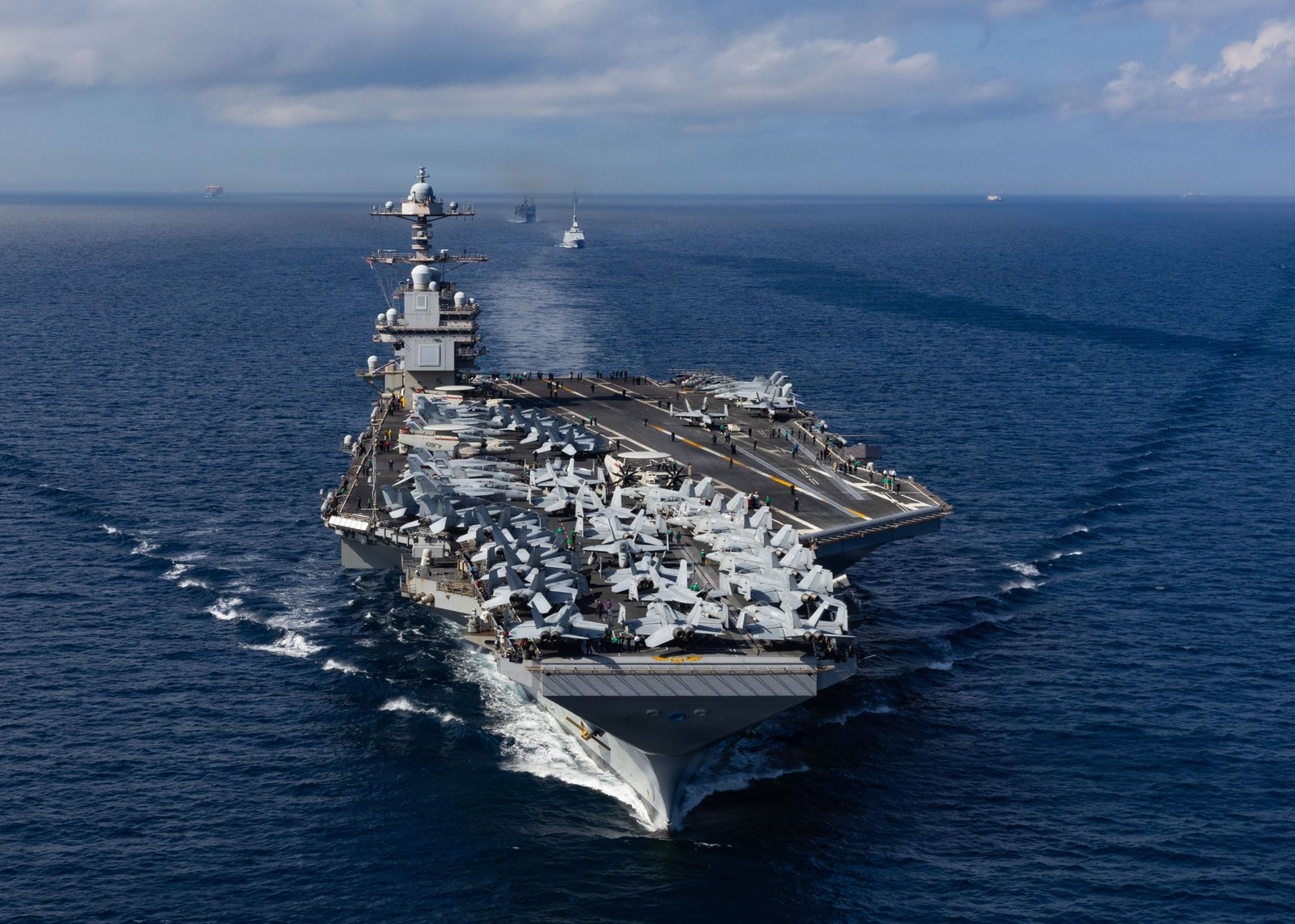
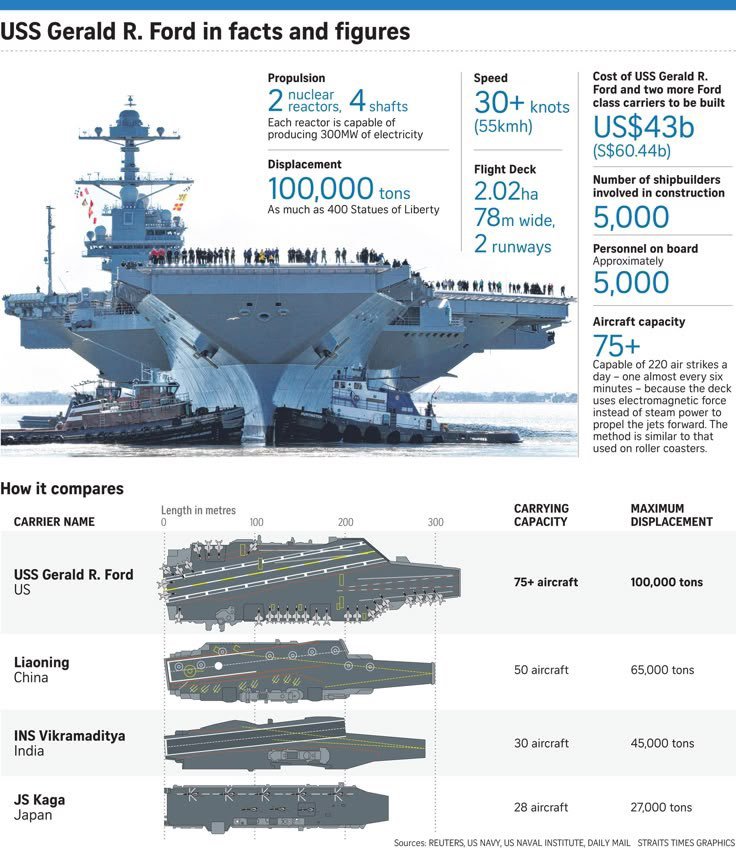
The USS Gerald R. Ford (CVN-78), the most advanced and largest warship in human history, has “gone dark.” The 100,000-ton nuclear-powered carrier switched off its public transponder after transiting the Strait of Gibraltar on February 20, vanishing from public tracking systems. According to defense analysts monitoring the situation, the Ford is currently stationed off the coast of Haifa, Israel.
Simultaneously, the USS Abraham Lincoln holds station in the Arabian Sea, south of Iran, carrying a full air wing and escort vessels.
A “Kill Box” vs. A “Shield”
According to geopolitical analyst Shanaka Anslem Perera, this specific geographic split represents a significant evolution in US naval doctrine. “Two carriers. Two missions,” Perera writes. “The Lincoln is the sword, positioned to launch strike packages into Iranian airspace within hours. The Ford is the shield.”
By positioning the Ford behind Israel’s air defense umbrella, the US has effectively ensured that any Iranian retaliation for a potential strike—whether targeting Israel or US assets—would have to traverse the Ford’s Aegis missile defense envelope. Analysts suggest this creates a strategic trap: Iran cannot retaliate against an American strike without physically engaging American naval assets, thereby triggering an automatic and unrestrained US military response.
“You do not park a $13.3 billion carrier where the enemy’s return fire will hit it unless you want the enemy’s return fire to hit it,” Perera notes. “The Ford is not there to prevent escalation; it is there to guarantee that if escalation comes, it comes on terms that make American restraint politically impossible.”
Deployment Breaks 50-Year Record
The Ford is currently 241 days into its deployment. Should the operation extend through April, it will become the longest carrier deployment since the Vietnam War. It is joined in theater by the Lincoln and approximately sixteen warships, comprising roughly 40 to 50 percent of all deployable US airpower in the Middle East.
The naval build-up includes escort cruisers and destroyers carrying Tomahawk cruise missiles, capable of “reshaping the geography of Iran’s coastline,” according to the analysis. With over 150 aircraft between the two groups, US forces have the capacity for 800 daily sorties.
Market Signal: Pricing Regime Collapse, Not War
The aggressive military posture has triggered unusual activity in global oil markets. While Brent crude currently sits at $71.76—incorporating a roughly ten-dollar “war premium”—options trading suggests sophisticated investors are betting on a far more severe outcome.
According to market data cited in the analysis, the equivalent of ten million barrels of Brent crude June $100 calls changed hands on February 19 alone. The Brent call skew has persisted for fourteen consecutive sessions, the longest streak since the October 2024 Israel-Iran strikes.
Perera argues the market is pricing the wrong risk. “You are pricing a war. You should be pricing a state that has already begun to die.” The analysis points to seven simultaneous structural crises inside Iran—including water scarcity, human capital flight, currency collapse, and domestic unrest requiring foreign mercenaries to suppress—that could cause a military strike to trigger a state collapse rather than a temporary disruption.
Official Silence
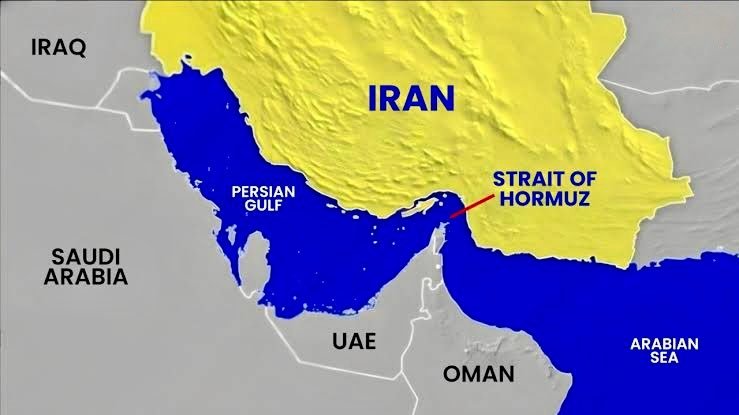
The US Fifth Fleet has not issued a statement regarding the repositioning of assets or the disappearance of the Ford from tracking systems. Iranian officials have previously threatened to close the Strait of Hormuz, though analysts note that the current US naval posture effectively brackets Iran from west and south, making such a closure strategically untenable.
The White House and Pentagon have not confirmed any imminent operation, though a senior Trump adviser told Axios this week that the probability of kinetic action in the coming weeks stands at ninety percent.
About The Author