Uganda Approves UGX425 Billion Loan for Power Export to South Sudan Amid Domestic Access Concerns

KAMPALA – Parliament has approved a US$121.9 million (approximately UGX425 billion) loan from the African Development Fund to finance the construction of infrastructure for exporting electricity to South Sudan.
The decision, made during a plenary sitting on October 30, 2025, comes at a time when Uganda continues to grapple with its own domestic electricity challenges, with only 25.3% of households connected to the national grid.
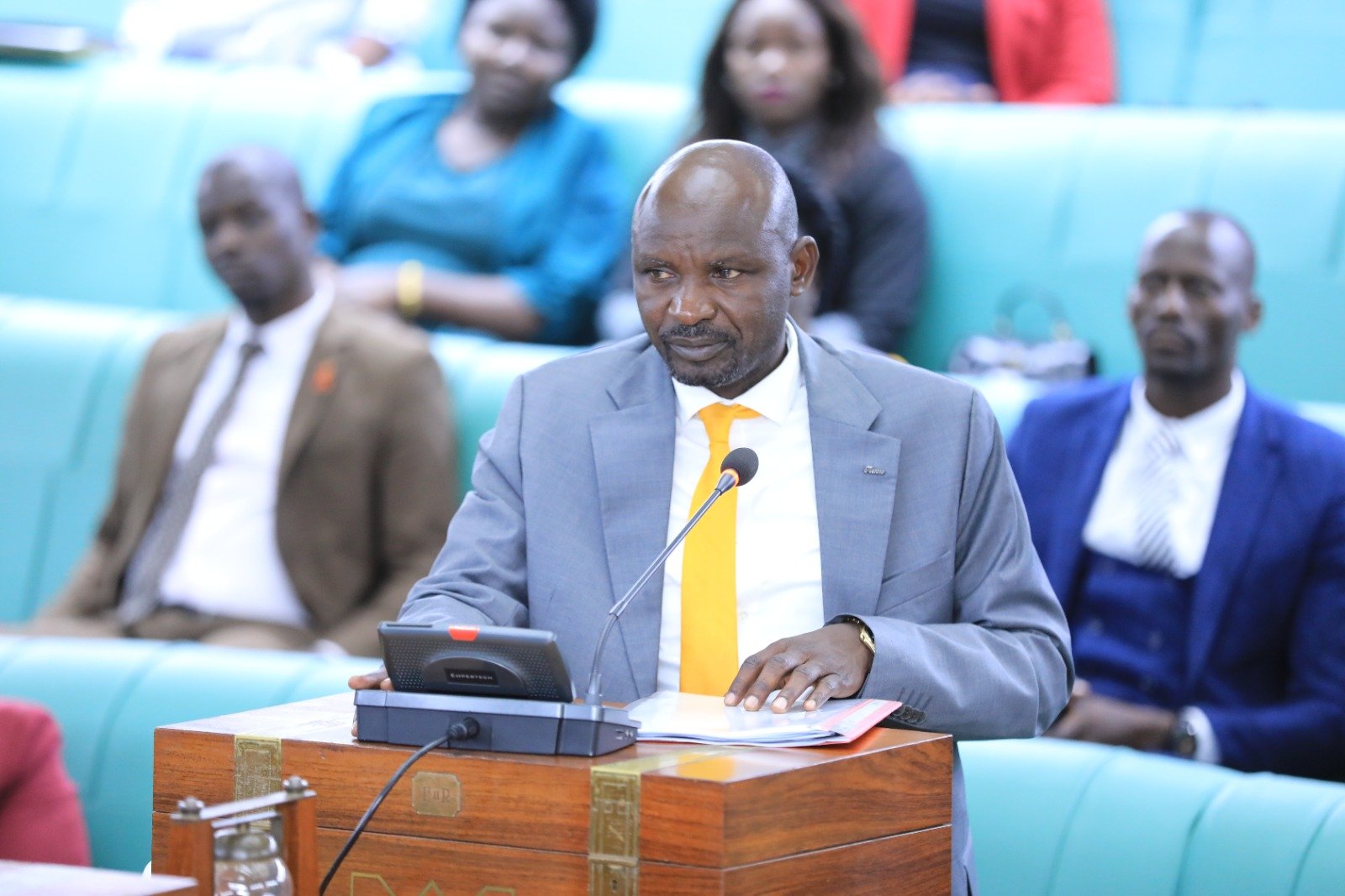
The approval followed the presentation of a report by the Parliament’s National Economy Committee, chaired by Bosco Ikojo, the MP for Bukedea County. The government has defended the project, arguing it is a strategic move to monetize the country’s excess power generation capacity.
According to the committee’s report, the project will enable Uganda to export an estimated 624 Gigawatt-hours (GWh) of surplus energy to South Sudan in its first year of operation. The committee also highlighted an environmental benefit, projecting a “corresponding huge reduction in Greenhouse Gas Emission (GHG)” as South Sudan is expected to rely less on fossil-fuel-powered generators.
However, the move has sparked debate due to the nation’s own electricity access statistics. Despite the government’s argument of having surplus power, official data indicates that only about 15% of the Ugandan population enjoys a reliable electricity supply. The 25.3% national grid connection rate underscores a significant gap in energy access for the majority of Ugandans.
Proponents of the deal see it as a vital economic opportunity. The revenue generated from selling power to South Sudan is expected to contribute to the national treasury and foster regional economic integration.
Critics, however, question the prioritization of international sales over addressing the domestic energy deficit. They argue that the government should focus on expanding grid connectivity and improving reliability for its citizens before investing heavily in export infrastructure.
With the loan now approved, the government is set to proceed with the project, betting that the long-term economic gains from becoming a regional power hub will ultimately benefit the nation.
About The Author