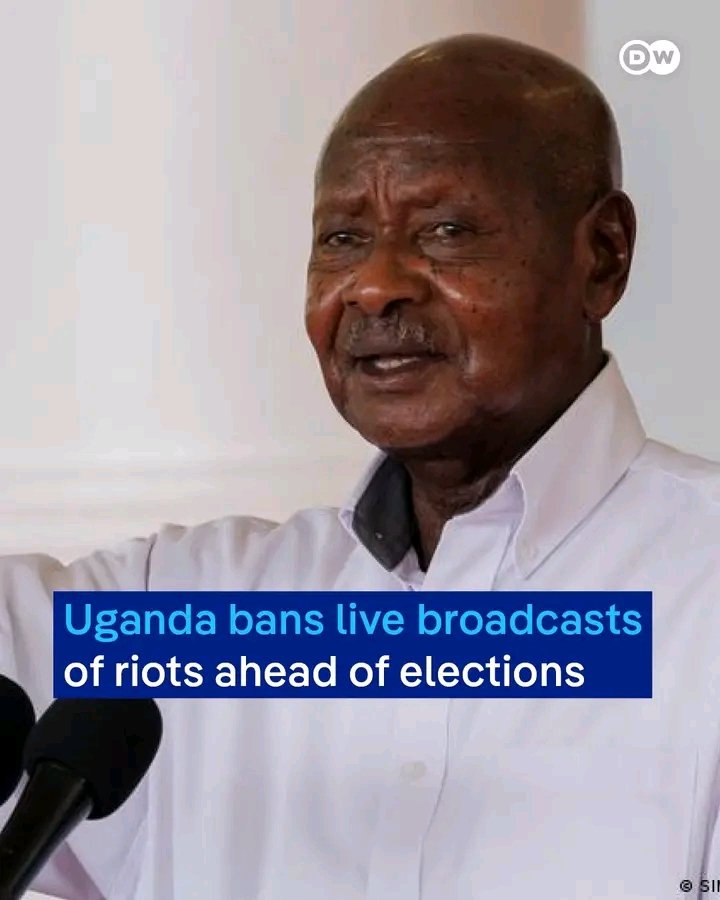
Uganda Bans Live Streaming of Protests Ahead of Tense Elections
KAMPALA, Jan 6 (Reuters) – Uganda’s government has announced a ban on broadcasting live footage of riots, unlawful assemblies, and violent incidents in the days leading to the January 15 presidential election, a move officials say is aimed at preventing panic but critics condemn as an attack on press freedom.
The directive comes amid a highly charged campaign period that has seen hundreds of opposition supporters detained. The election is a generational contest, pitting long-ruling 81-year-old President Yoweri Museveni against his main challenger, 43-year-old former pop star and opposition leader Bobi Wine, whose real name is Robert Kyagulanyi.
Government officials defended the ban on live streaming of certain public order incidents. “This measure is necessary to prevent panic and curb the escalation of violence in real-time,” a spokesperson for the communications regulator stated. “Ungregulated live broadcasts can be used to incite further unlawful acts.”
Media rights groups and opposition figures have sharply criticized the order, arguing it is a tool to suppress information and independent reporting during a contentious poll. They fear it will obscure potential rights abuses and limit accountability.
“This is a blatant attempt to control the narrative and hide the state’s actions from the world,” said a spokesperson for Bobi Wine’s National Unity Platform. “They want to cut off the oxygen of publicity for our peaceful protests and document only their version of events.”
The campaign has been marked by frequent clashes between security forces and opposition supporters. International human rights observers have repeatedly raised concerns over the stifling of dissent, including the arrest of journalists and the violent breakup of rallies.
President Museveni, in power since 1986, is seeking a sixth elected term. His opponent, Bobi Wine, has garnered a massive youth following and has faced repeated arrest, while his supporters have been subjected to lethal force.
With just days until the vote, the ban on live streams signals a tightening of control over the flow of information, raising further questions about the transparency and fairness of the electoral process.
About The Author