Uganda Seeks UGX 1.7 Trillion to Fund Major Expansion of National Airline
ENTEBBE – In a bold move to expand its national carrier, the Ugandan government is seeking parliamentary approval for a massive UGX 1.696 trillion (approximately USD 471 million) supplementary budget to purchase 10 new aircraft for Uganda Airlines.
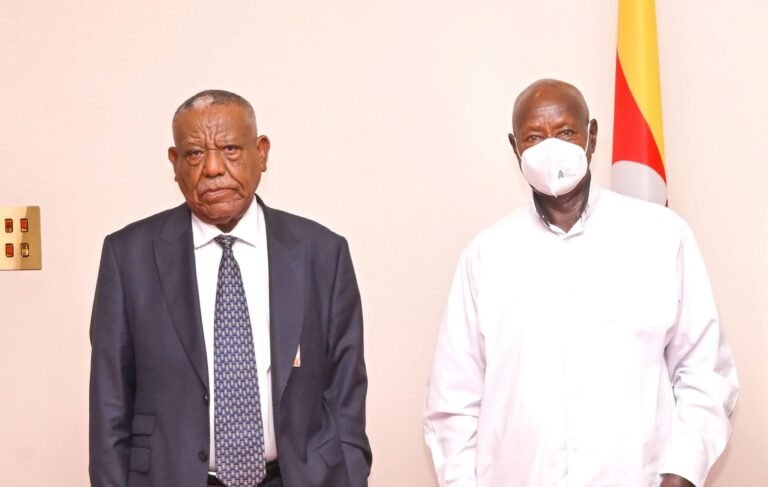
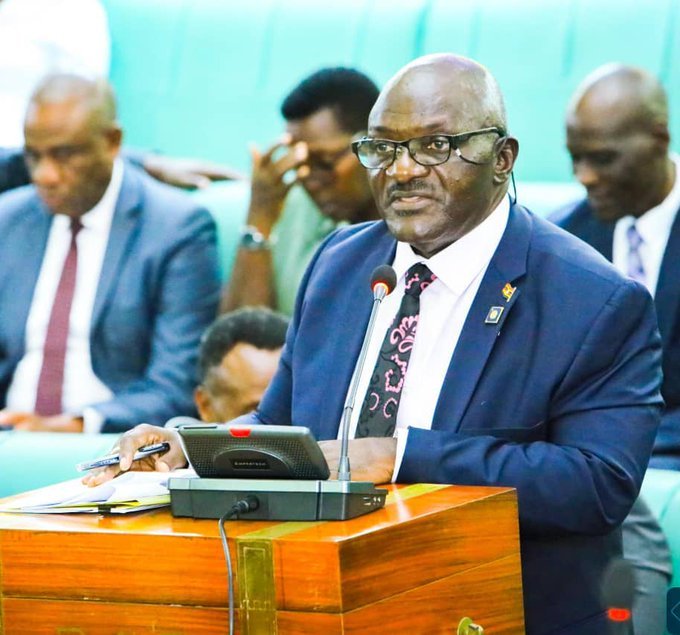
The request was formally presented to Parliament’s Budget Committee on Monday, December 1, 2025, by the Minister of Works and Transport, General Edward Katumba Wamala. The proposed funding is classified under supplementary schedule two and is slated for debate in a parliamentary plenary session.
Details of the Aircraft Purchase Plan
The substantial budget request is primarily aimed at securing a significant fleet expansion. According to the minister’s presentation, UGX 422.264 billion is earmarked as an initial payment required in the current 2025/2026 financial year to lock in the orders.
The planned acquisition includes a strategic mix of aircraft to serve different market needs:
· Four (4) narrow-body Airbus aircraft for regional and intra-African routes.
· Four (4) wide-body Boeing planes for long-haul international destinations.
· Two (2) Boeing-converted cargo freighters to tap into the competitive air freight sector.
Minister Katumba Wamala explained that the financing schedule involves an immediate payment of UGX 247.019 billion upon the execution of the purchase agreements, followed by another UGX 275.245 billion in January 2026 to meet mandatory pre-delivery payments to both Boeing and Airbus.
Strategic Rationale and Airline Background
The minister positioned the procurement as a critical step to position Uganda Airlines for broader regional and long-haul operations while establishing a strong presence in air cargo transport.
This request follows a government commitment made earlier in the year. During the national budget speech for FY 2025/26, Finance Minister Matia Kasaija confirmed plans for the “additional capitalisation of Uganda Airlines to acquire more aircraft” and open new passenger and cargo routes, though a specific amount was not disclosed at that time.
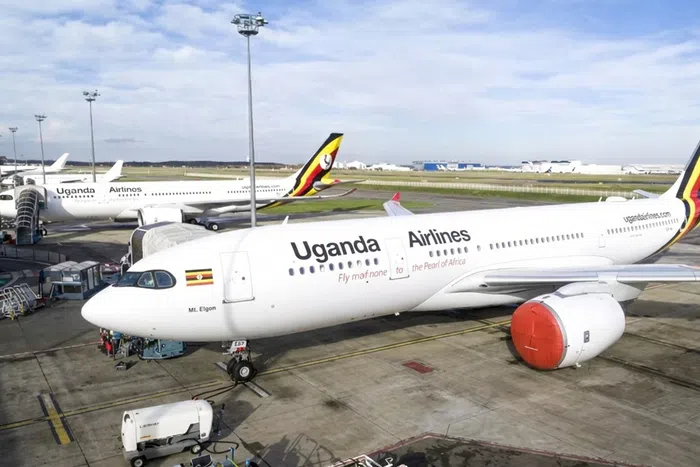
Uganda Airlines, which resumed operations in 2019, has seen rapid growth. Its current operational fleet consists of four Bombardier CRJ900LR regional jets and two Airbus A330-800neo wide-body aircraft. The airline has increased its market share at Entebbe International Airport from 4% in 2019 to 24% in the 2023/24 financial year, while revenue grew from UGX 28 billion to UGX 319 billion over the same period.
The airline has been actively planning expansion, including finalizing an order for four new Airbus narrow-body jets (two A320neos and two A321neos) and negotiating with Boeing for 787 Dreamliners for potential flights to Guangzhou, China.
Parliamentary Scrutiny and Broader Context
The Budget Committee is currently scrutinizing the supplementary schedule before it is presented to the full Parliament for debate and a final decision on approval. The request arrives amidst a significant restructuring of the Ministry of Works and Transport itself.
Just over a year ago, in November 2024, Parliament passed bills dissolving the Uganda National Roads Authority (UNRA) and the Uganda Road Fund, transferring their functions back to the ministry. Minister Katumba Wamala led that rationalization effort, arguing it would reduce duplication and minimize government expenditure.
The Road Ahead
If approved, this supplementary budget would mark one of the largest single investments in Uganda’s aviation history. It signals the government’s commitment to transitioning Uganda Airlines from a developmental phase into a competitive, profit-generating entity within the national transport infrastructure.
However, the proposal will likely face rigorous debate in Parliament, with lawmakers weighing the substantial financial commitment against the promised economic benefits of enhanced national connectivity, tourism, and cargo logistics.
About The Author