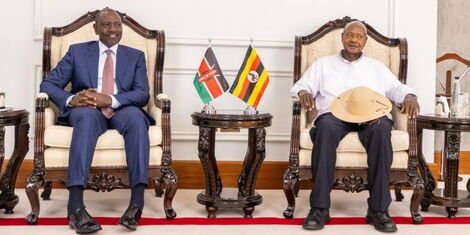
Uganda’s Museveni, Son Stake Claim to Indian Ocean, Warn Kenya of Future Conflict

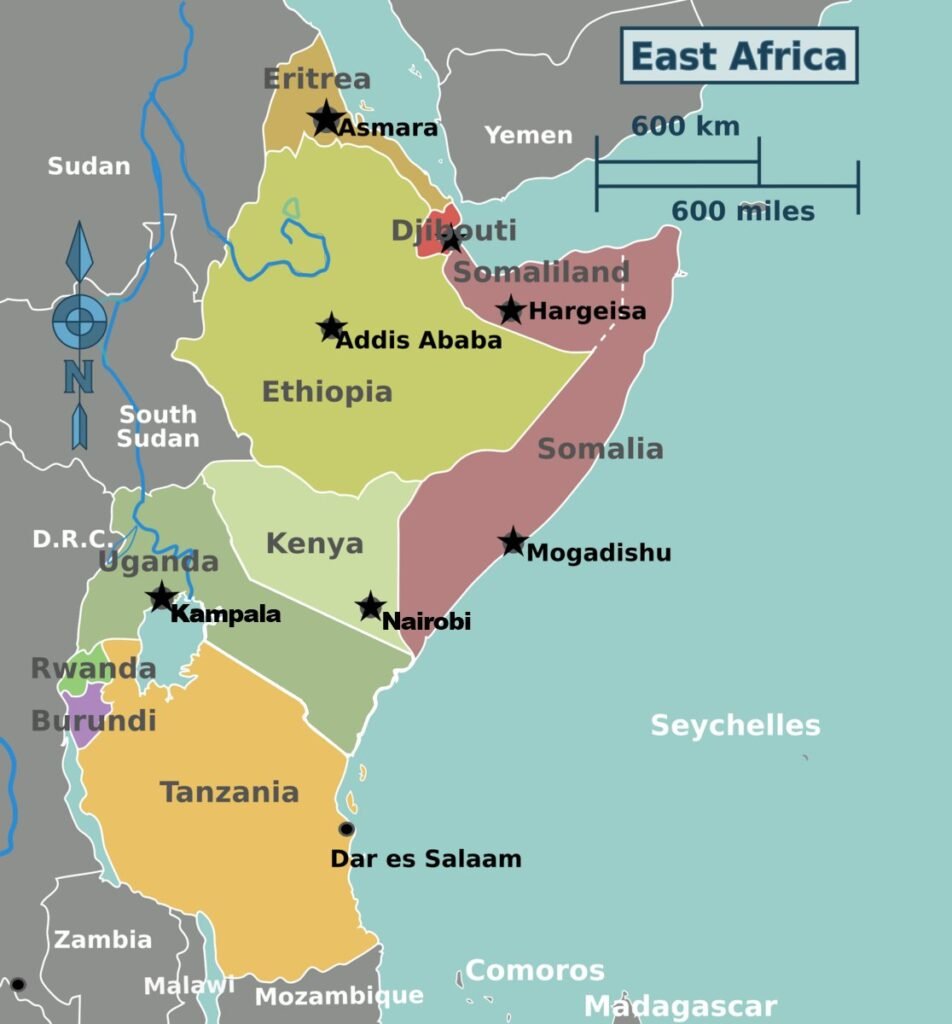
Ugandan President Yoweri Museveni has sparked a regional diplomatic storm by declaring that Uganda is entitled to access the Indian Ocean, warning that future wars with Kenya could erupt if the landlocked nation’s demands are not met.
In a radio address on Mbale Radio on November 12, President Museveni framed the issue as a critical matter of economic survival and national defence. He expressed decades of frustration with Kenya’s political transitions, which he claims have consistently reset negotiations.
“I have been negotiating access to the Indian Ocean for 30 years, and every time I finish with one Kenyan president, a new one comes, and we start again from zero,” Museveni stated. He emphatically added, “That ocean belongs to me. Because it is my ocean. I am entitled to that ocean… In the future, we are going to have wars if care is not taken.”
His son, General Muhoozi Kainerugaba—a prominent military figure and seen by many as his father’s potential successor—quickly amplified the rhetoric on social media. He demanded that Kenya “quickly give us access to the Indian Ocean,” cautioning that failure to do so would lead to “very big problems in the future.”
Kenya Dismisses ‘Metaphorical’ Threats
The Kenyan government has moved to de-escalate the situation, publicly downplaying the threats. The Ministry of Foreign Affairs responded by suggesting that Museveni’s comments were not a literal declaration of hostility.
Foreign Affairs Principal Secretary Korir Sing’Oei addressed the media, stating, “President Yoweri Museveni was speaking metaphorically rather than to suggest that there was anything that was done in the manner in which he described it.” Sing’Oei expressed confidence that President Museveni has a “fairly great understanding” of international law governing territorial sovereignty.
Analysts Point to Domestic Politics
The timing of the remarks has led regional analysts to question their strategic intent. President Museveni, who has been in power since 1986, is eyeing an eighth consecutive term in office in elections scheduled for January 2026. Critics argue that the sudden revival of a historical grievance is a classic political strategy to rally nationalistic sentiment and divert attention from pressing domestic issues such as youth unemployment, corruption, and questions of political succession.
The rhetoric echoes a familiar pattern where leaders, facing internal pressure, invoke external disputes to consolidate power and brand dissent as unpatriotic.
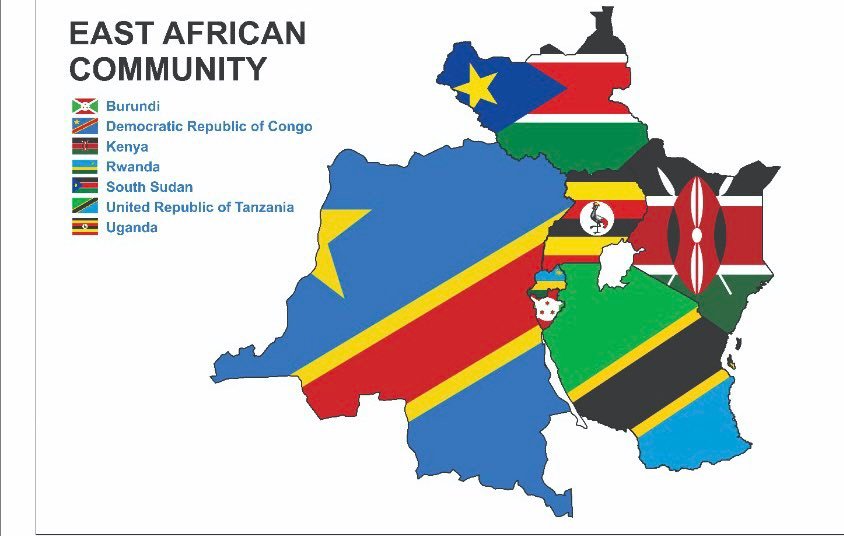
Despite the war of words, both nations remain integral partners in the East African Community, cooperating on major joint infrastructure projects, including the Standard Gauge Railway and a planned expressway linking Kisumu to Uganda. The incident, however, casts a shadow over one of East Africa’s most critical bilateral relationships, raising concerns about its stability in the coming months.
About The Author