UPDF Repels Attack in Eastern DRC, Blames CODECO Militia and Rogue Soldiers
December 4, 2025 | Ituri Province, Democratic Republic of the Congo
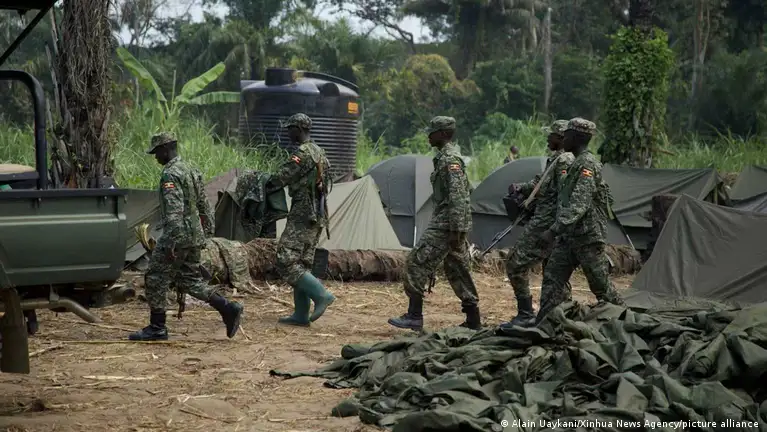
The Uganda People’s Defence Forces (UPDF) operating in the Democratic Republic of the Congo (DRC) have reported repulsing an attack by militants allegedly linked to the violent CODECO militia and “rogue elements” of the Congolese national army (FARDC). The incident has sparked conflicting reports, with the Ugandan military firmly dismissing accounts of a direct shootout with FARDC soldiers.
The Incident and Conflicting Narratives
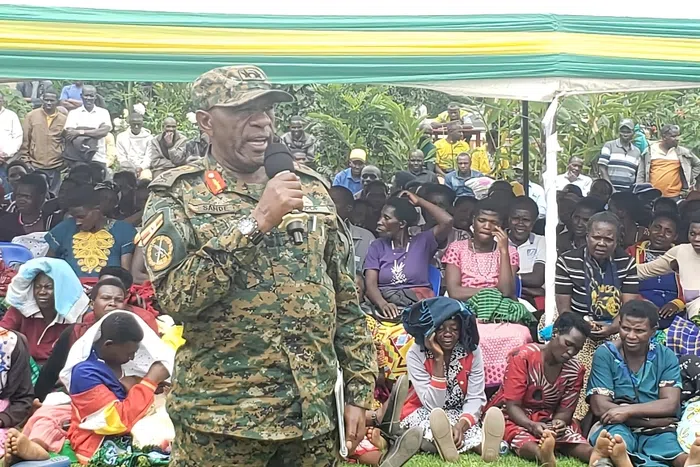
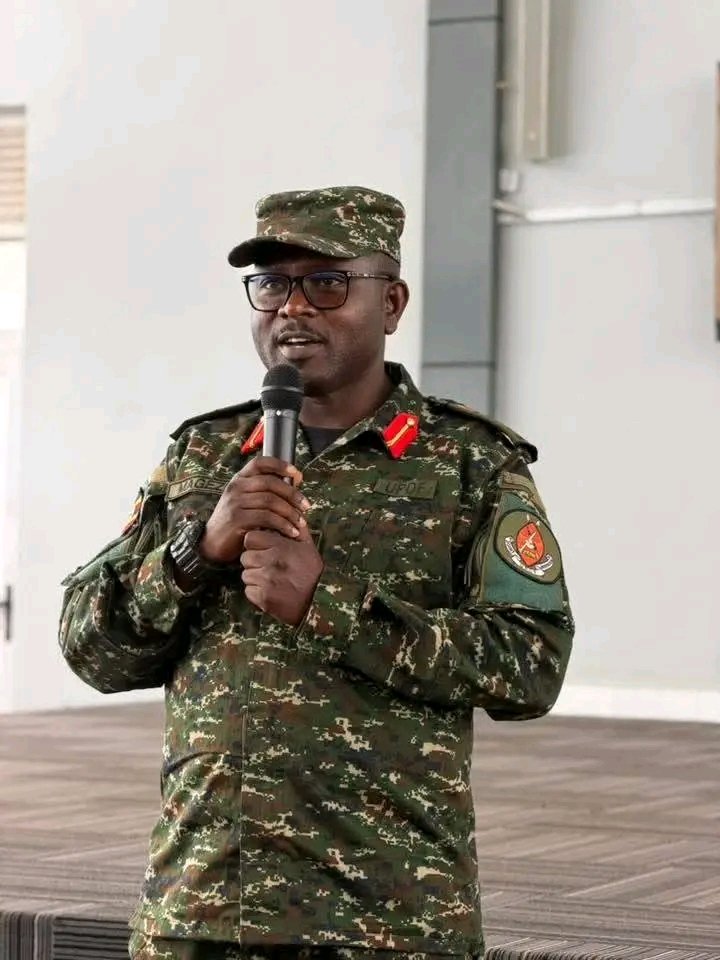
According to Colonel Chris Magezi, the acting Director of Defence Public Information for the UPDF, the attack occurred on Tuesday morning in Djugu-centre, Ituri Province. Armed militants suspected to be rogue FARDC elements allied with the CODECO militia attacked a UPDF patrol unit around 11 a.m.. The Ugandan soldiers returned fire, neutralizing some of the attackers.
Colonel Magezi’s statement directly contradicts reports from some Congolese media outlets, which alleged that Ugandan soldiers killed two FARDC soldiers in a shootout. The UPDF has labeled these accounts as “inaccurate” and “misleading,” insisting the confrontation was solely with hostile militants.
· The UPDF’s Stance: Colonel Magezi stated that CODECO, which he described as a “criminal and terrorist enterprise,” does not want a continued UPDF presence in the area and is trying to recruit allies, including rogue elements from within the FARDC. He emphasized that the formal relationship between the UPDF and FARDC “remains rock solid” as they conduct joint operations against armed groups in eastern DRC.
· An Alternative Account: A contrasting report by Radio Okapi suggested the violence erupted after UPDF soldiers arrested two civilians suspected of being CODECO members, prompting FARDC troops to demand their release. This version claims the subsequent gunfire resulted in two FARDC fatalities and one injury.
Understanding CODECO: From Cooperative to Militia
The group at the center of this incident, CODECO (Cooperative for the Development of the Congo), is a major source of violence in Ituri Province.
· Origins: Founded in the 1970s as an agricultural cooperative for the Lendu ethnolinguistic group, it transformed into an armed rebel movement during the Ituri conflict (1999-2003).
· Ideology and Tactics: The group claims to defend Lendu interests, often in the context of longstanding land disputes with the Hema community. It is considered one of the most violent armed groups in the region and has been repeatedly accused of massacring civilians, including attacks on displacement camps.
· Current Status: Despite declaring a unilateral ceasefire in August 2020, the group increased attacks in 2021-2022. Experts note it has splintered into various factions, with an estimated 2,350 fighters.
Broader Conflict Context in Eastern DRC
This latest clash occurs within a complex and deteriorating security environment in eastern DRC.
· Proliferation of Armed Groups: Over 120 militias operate in eastern provinces, perpetrating violations that may amount to war crimes and crimes against humanity. The Congolese army (FARDC) has also been implicated in human rights abuses.
· Exploiting Security Vacuums: The situation has worsened in 2025. As FARDC forces have been redeployed to counter a major offensive by the M23 rebel group in North and South Kivu, other armed groups like CODECO and the Allied Democratic Forces (ADF) have exploited the resulting security vacuum.
· Humanitarian Crisis: The constant violence has fueled a massive displacement crisis, with over 7.8 million people internally displaced across the DRC. Civilians, particularly those in displacement camps, remain extremely vulnerable to attack.
A Pattern of Violence and Regional Tensions
The attack follows a pattern of intense clashes between UPDF and CODECO forces in the region. In March 2025, UPDF reported repelling a large-scale, two-day attack by hundreds of CODECO militias on its position in Fataki, Ituri, claiming to have killed 242 militants.
The incident in Djugu-centre also happened on a day of “heightened regional tension,” with heavy fighting reported between FARDC and M23 rebels in South Kivu. This overlapping violence contributes to confusion and instability.
Local authorities in Djugu are expected to conduct an investigation into Tuesday’s events. The incident underscores the fragile nature of security in eastern DRC, where formal military alliances coexist with the constant threat of violence from numerous, often fragmented, armed groups.
About The Author