Venezuela: A Geopolitical Case Study in the Perils of Resource Wealth Without Power
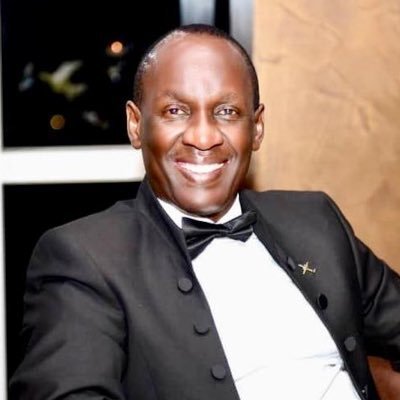
In a stark assessment of modern statecraft, Hon. Capt. Dr. Mike Mukula, Chairman of the Pan African Movement, has presented Venezuela as a critical living case study for students of foreign policy and international relations, arguing that its trajectory dismantles the myth that natural resources alone confer global power or domestic stability.
Speaking broadly on the intersections of energy, sovereignty, and geopolitics, Dr. Mukula dissected the Venezuelan paradox: a nation sitting atop the world’s largest proven oil reserves yet mired in profound economic fragility and political turmoil.
“Venezuela proves that resources alone do not guarantee power,” stated Dr. Mukula. “Its fate has been shaped by forces beyond its control—OPEC dynamics, wild price volatility, punishing international sanctions, and the global shift towards energy transition. This is the reality of the global oil economy.”
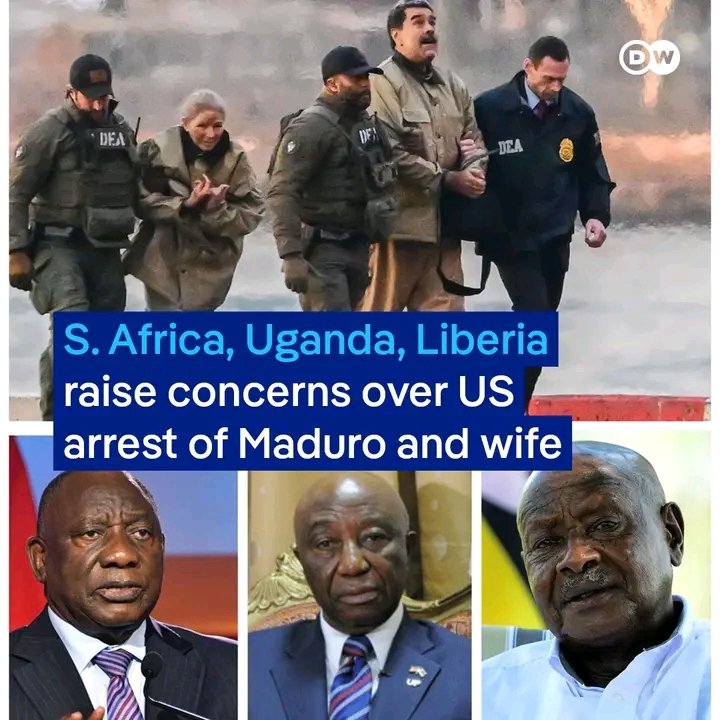
The analysis highlights how Venezuela’s immense resource wealth, rather than insulating it, made it a primary target for what Dr. Mukula terms “hard power tools.” The strategic interests of major powers—centered on access to oil, regional influence in Latin America, and stark ideological divisions—have manifested through comprehensive economic sanctions, diplomatic isolation, and sustained coercive pressure.
“Strategic interests drive action. We have seen hard power deployed to punish and to pressure,” he observed.
However, the Chairman emphasized that the counterpoint to this external pressure has been a profound erosion of Venezuela’s own strategic assets. The nation’s soft power—its international legitimacy, traditional alliances, control over its own narrative, and crucially, its economic credibility—has steadily deteriorated. This loss, he argued, has left the country uniquely vulnerable.
“The lesson is clear,” Dr. Mukula concluded. “Hard power can punish, but it rarely builds lasting stability. Conversely, oil wealth without strong, transparent, and resilient domestic institutions is not a shield—it is an invitation for external leverage and internal decay.”
For analysts and policymakers, particularly in resource-rich nations across Africa and the Global South, Venezuela’s experience serves as a cautionary tale. It demonstrates the complex nexus where energy reserves meet sovereign ambition and global power competition.
Dr. Mukula framed the broader implication for contemporary foreign policy: “Venezuela shows why smart statecraft must continuously balance three pillars: resource management, agile diplomacy, and unwavering commitment to domestic governance. We operate in a multipolar world where states must simultaneously compete, cooperate, and adapt to change. Success depends not just on what lies beneath the ground, but on the strength of the institutions built above it.”
The Chairman’s commentary urges a broader, rational study of Venezuela’s experience, suggesting it offers indispensable insights for nations navigating an uncertain global order where economic sovereignty is constantly tested.
About The Author