NEW YORK – In a significant coordinated move aimed at revitalizing the Middle East peace process, the leaders of Canada, the United Kingdom, Australia, and Portugal announced on September 21, 2025, their formal recognition of the State of Palestine.
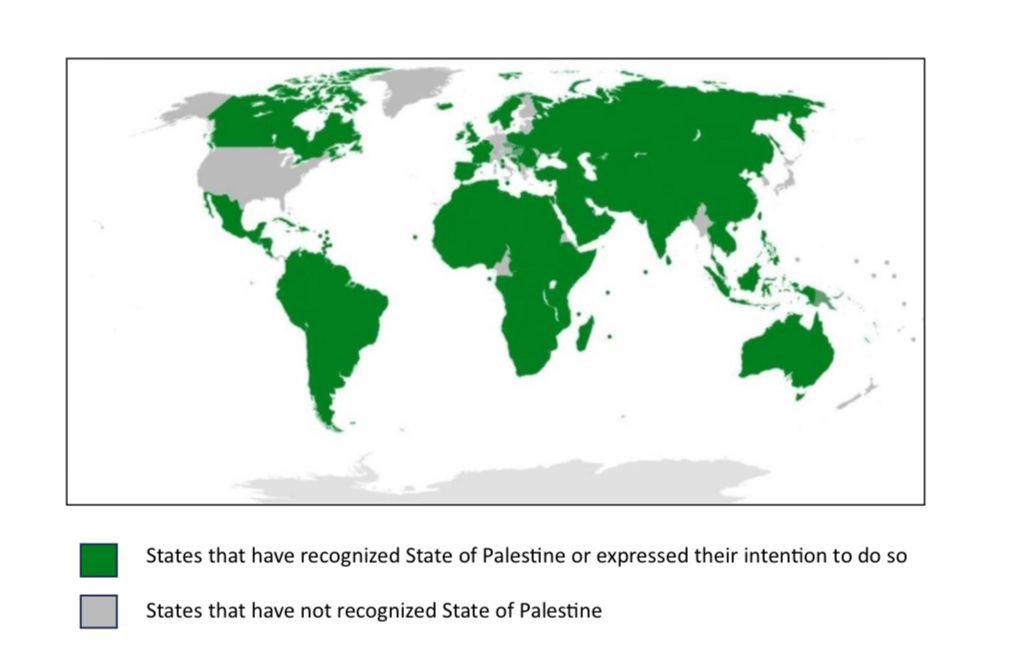
The announcement, timed just before the United Nations General Assembly, represents a major shift in the diplomatic stance of several key Western allies and brings the number of nations recognizing Palestine to over 150.
The leaders—Canadian Prime Minister Mark Carney, UK Prime Minister Keir Starmer, Australian Prime Minister Anthony Albanese, and Portuguese Foreign Minister João Gomes Cravinho—each stressed that their decision is rooted in a commitment to a two-state solution as the only viable path to lasting peace. They uniformly emphasized their unwavering support for Israel’s security while advocating for the right to Palestinian self-determination. A common thread in their statements was the condition that the future Palestinian government must exclude the militant group Hamas, which they designate as a terrorist organization.
“This recognition is not a reward for past actions, but an investment in a future of peace and stability for both Israelis and Palestinians,” stated UK Prime Minister Keir Starmer.
The move was met with swift and fierce condemnation from Israeli Prime Minister Benjamin Netanyahu. He lambasted the decision as a “reward for terrorism,” directly referencing the Hamas-led attacks on Israel on October 7, 2023. Netanyahu’s government has consistently argued that such diplomatic gestures absolve Palestinian leadership of the need to directly negotiate and condemn violence.
The coordinated recognition by these four nations is seen as a powerful attempt to apply diplomatic pressure and create new momentum for stalled peace talks, even as hostilities continue in Gaza. The Palestinian delegation on X (formerly Twitter) shared a map highlighting the growing global recognition, captioning it “The world map today.”
The decision marks a pivotal moment in international diplomacy regarding the decades-old conflict, signaling a growing impatience among traditional Israeli allies with the status quo and a push for a concrete political horizon.
About The Author