
Iran Threatens to Close Strait of Hormuz as Trump Vows ‘Death, Fire, and Fury’
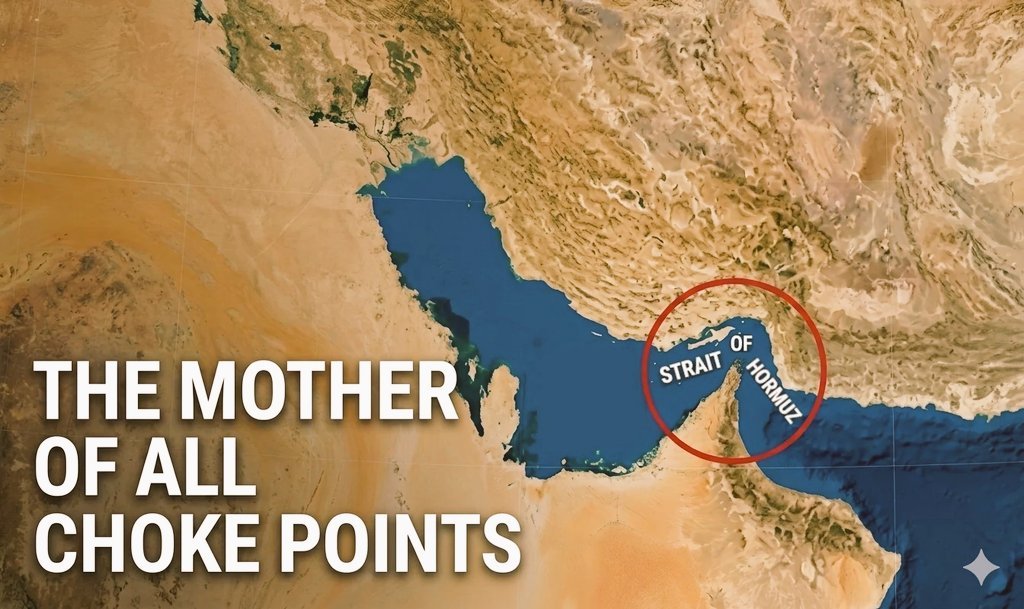
TEHRAN — Iran has warned that ships linked to nations attacking the country will be barred from transiting the Strait of Hormuz, a critical chokepoint through which 20% of global oil and liquefied natural gas trade passes, escalating tensions in the region.
Rear Admiral Alireza Tangsiri, a top Iranian commander, issued the warning as commercial traffic in the strait has plummeted nearly 90%, with tankers voluntarily halting operations amid risks posed by Iranian fast boats and missile systems. The disruption has stranded vessels and driven up oil prices worldwide.
Trump Threatens Retaliation
Former President Donald Trump, in a stark warning posted to his social media platform, threatened overwhelming retaliation if Iran follows through on its threat.
“If Iran does anything that stops the flow of Oil within the Strait of Hormuz, they will be hit by the United States of America TWENTY TIMES HARDER than they have been hit thus far,” Trump wrote.
“Additionally, we will take out easily destroyable targets that will make it virtually impossible for Iran to ever be built back, as a Nation, again — Death, Fire, and Fury will reign upon them — But I hope, and pray, that it does not happen!”
Trump framed the warning as “a gift from the United States of America to China, and all of those Nations that heavily use the Hormuz Strait,” expressing hope the gesture would be appreciated.
U.S. Response and Market Impact
The United States has reportedly vowed to escort tankers through the strait and respond more forcefully to any Iranian aggression. However, in an unusual development, U.S. Energy Secretary Chris Wright removed a social media post about the Navy escorting oil tankers through the waterway, according to Walter Bloomberg.
The reasons for the deletion remain unclear.
Escalating Rhetoric
Iranian officials have signaled they will respond in kind to any attacks. The Iranian Parliament Speaker was quoted as saying, “Iran will adopt an eye-for-an-eye principle, if the enemy starts an infrastructure war, we will target its infrastructure.”
Meanwhile, unverified reports have circulated regarding potential “security fees” or free passage deals, though no confirmation has emerged from official sources.
Strategic Implications
The Strait of Hormuz, connecting the Persian Gulf to the open ocean, represents one of the world’s most strategically significant maritime passages. Any sustained disruption would have severe implications for global energy markets, particularly for major importers like China, Japan, and European nations.
With tanker traffic already reduced by 90%, the international community watches closely as rhetoric intensifies between Tehran and Washington, raising fears of a broader confrontation that could engulf the region.
About The Author