
Beyond the Burning Shops: The Quiet Xenophobia Embedded in South Africa’s Visa System
JOHANNESBURG — Ask many South Africans about the rest of the continent, and a subtle but telling question often slips out: “How is Africa?” It is a phrase that linguists and sociologists say reveals a deep psychological distance—as if the nation at the southern tip operates on its own tectonic plate, unmoored from the broader African reality.
But activists and economists argue this is far more than a slip of the tongue. It is a worldview that has quietly shaped policy, turning South Africa into a paradox: a continental economic giant that often treats its African neighbors as unwelcome strangers.
The most glaring evidence, they say, lies in the country’s visa regime. A Ugandan, Nigerian, or Congolese passport holder can often secure entry into Dubai or Guangzhou with less paperwork and fewer rejections than obtaining a permit to enter Johannesburg. South Africa currently imposes stricter visa requirements on fellow African nationals than nations with no historical or geographic ties to the continent, including the UAE and China.
“The rest of the continent keeps quiet about it, but the disparity is shocking,” said one immigration analyst, speaking on condition of anonymity. “We welcome South African retailers, banks, and telecoms into our markets—Shoprite, MTN, Standard Bank, DStv—and they extract billions from our economies. But when our citizens try to enter theirs, the borders get thick.”
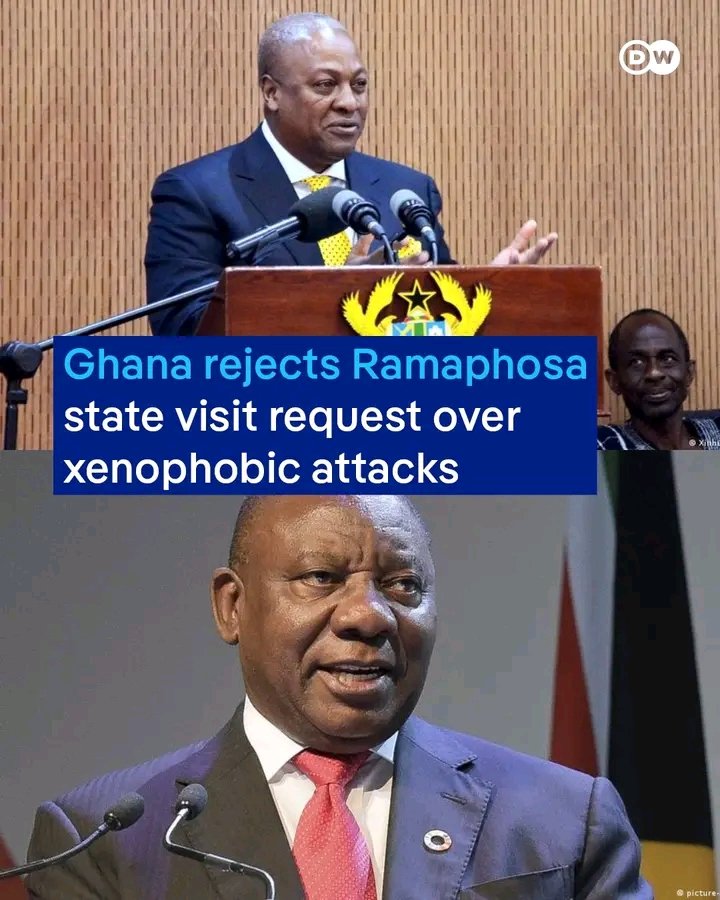
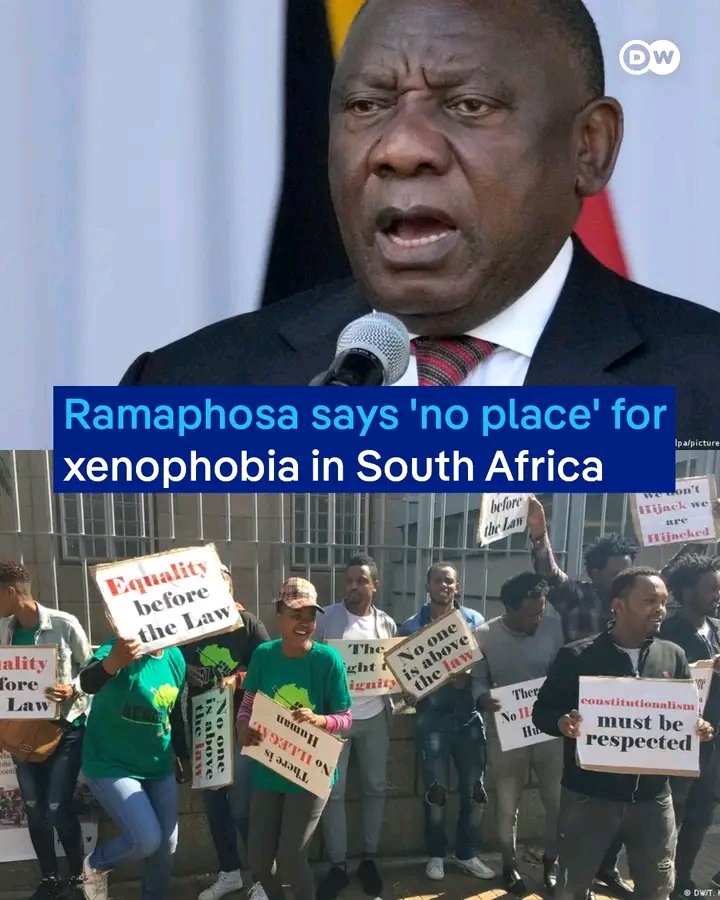
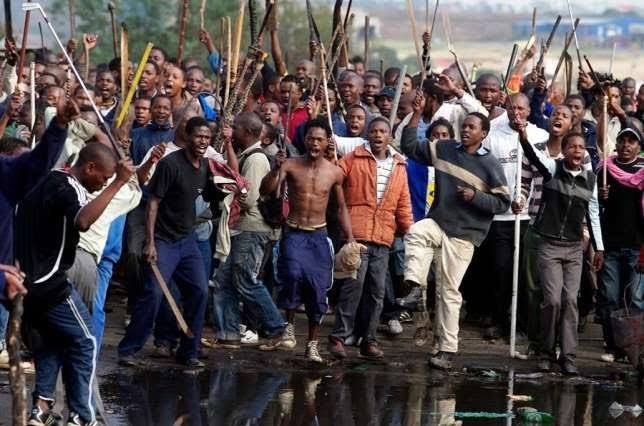
This quiet bureaucracy, critics argue, is the twin brother of the violent xenophobia that periodically erupts in South African townships. Every few years, global news captures the flames: mobs burning foreign-owned shops, beating Zimbabwean nationals, or chasing Somali traders from their livelihoods.
“That’s just the loud version,” the analyst added. “The quiet version sits in government offices, drafting visa regimes, immigration policies, and work permit rules specifically designed to keep other Africans out. It’s xenophobia with a stamp and a signature.”
Economic data underscores the lopsided relationship. South African corporations generate billions of dollars in revenue across the continent, from Lagos to Lusaka. Yet when African professionals, students, or entrepreneurs seek to enter South Africa, they face months-long delays, expensive documentation, and a pervasive presumption of intent to overstay.
For many, the message is clear: South Africa wants the continent’s markets, not its people.
“Pan-Africanism cannot be a one-way street,” said one Nigerian entrepreneur who gave up on a South African work permit after two years of waiting. “South Africa needs to decide whether it’s part of Africa or just doing business with it.”
As regional integration efforts like the African Continental Free Trade Area (AfCFTA) move forward, analysts warn that South Africa’s dual-faced xenophobia—violent in the streets, bureaucratic in the capital—could undermine the very unity required for economic transformation.
For now, the question lingers. Until the visa rules match the investment flows—and “How is Africa?” becomes “How are we?”—the continent’s most industrialized economy remains its most exclusionary neighbor.
About The Author