
President Ruto Announces Measures to Shield Kenya from Gulf War Supply Chain Disruptions
Kenya holds 21 days of fuel stocks as government-to-government deals cushion consumers from rising international oil prices
President William Ruto has outlined a series of measures aimed at protecting Kenya from supply chain disruptions caused by the ongoing conflict in the Middle East, which began in late February 2026.
The U.S.-Israel-Iran war has disrupted global shipping through the Strait of Hormuz, a critical chokepoint for oil and goods, placing pressure on economies worldwide—including Kenya.
In a statement issued on March 30, 2026, following a comprehensive briefing from the Ministries of Energy, Agriculture, Trade, the National Treasury, the Central Bank, and private sector players, the President assured Kenyans that the government is actively managing the evolving situation.
Fuel Supplies and Pricing
On petroleum products, President Ruto noted that while the impact on pricing is still being assessed, measures are being put in place to moderate adverse effects and maintain adequate supplies.
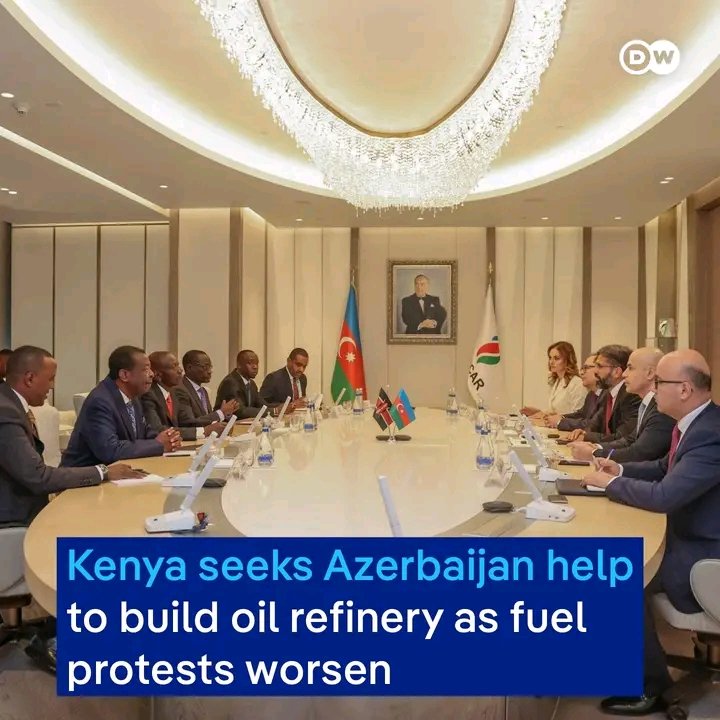
Kenya currently holds 21 days of fuel stocks—significantly below the global standard of 90 days—but the government’s strategic Government-to-Government fuel procurement arrangement has cushioned Kenyans from immediate shocks.
“A government-to-government fuel procurement arrangement has cushioned Kenyans from immediate shocks. This strategic intervention has mitigated price increases, ensured security of supply, and proven to be both prudent and forward-looking,” the President said.
Super petrol prices remain frozen at 178.28 shillings per liter in Nairobi through mid-April, providing relief to consumers despite rising international oil prices.
The Ministry of Energy continues to assess international fuel prices and will work closely with the National Treasury to implement appropriate interventions.
Fertilizer and Agriculture
On fertilizer, President Ruto assured the nation that no disruptions are expected, with sufficient supplies to support the current rainy season through to September this year.
Trade and Export Performance
Regarding trade, the President noted that while some key exports—particularly tea—were expected to face challenges in certain markets, performance remains strong. This has been supported by diversification into new markets and the strengthening of existing ones.
Latest data indicates that Kenya exported 81 percent of tea offered for auction this month, compared to 75 percent in March 2025.
Port Activity
Significant growth in activity has been recorded at the Ports of Mombasa and Lamu. Notably, the Port of Lamu has registered a sharp rise in throughput, including the handling of over 4,000 high-value motor vehicles destined for Gulf markets for onward transshipment.
“This underscores the strategic importance of our port infrastructure, whose capacity and efficiency we continue to enhance,” President Ruto said.
The government will engage international logistics companies to leverage emerging opportunities and strengthen Kenya’s position in regional and global trade.
Challenges Remain
However, meat exports have been affected due to logistical and freight challenges. The Ministries of Trade and Agriculture will collaborate to explore alternative solutions to support exporters in this sector.
Additionally, fuel station shortages hit 20 percent last week, reflecting the pressure on supply chains.
Government Commitment
The President emphasized that the government remains committed to closely monitoring developments and taking decisive action to safeguard the economic well-being of all Kenyans.
“The situation in the Middle East is becoming more complex than we had anticipated. The disruption in supply chains has led to higher prices for essential goods, including food and fuel. This has put pressure on households and businesses, leading to increased inflation,” the President noted.
The conflict in the region has also disrupted oil production and transportation, further exacerbating the situation, he added.
About The Author