

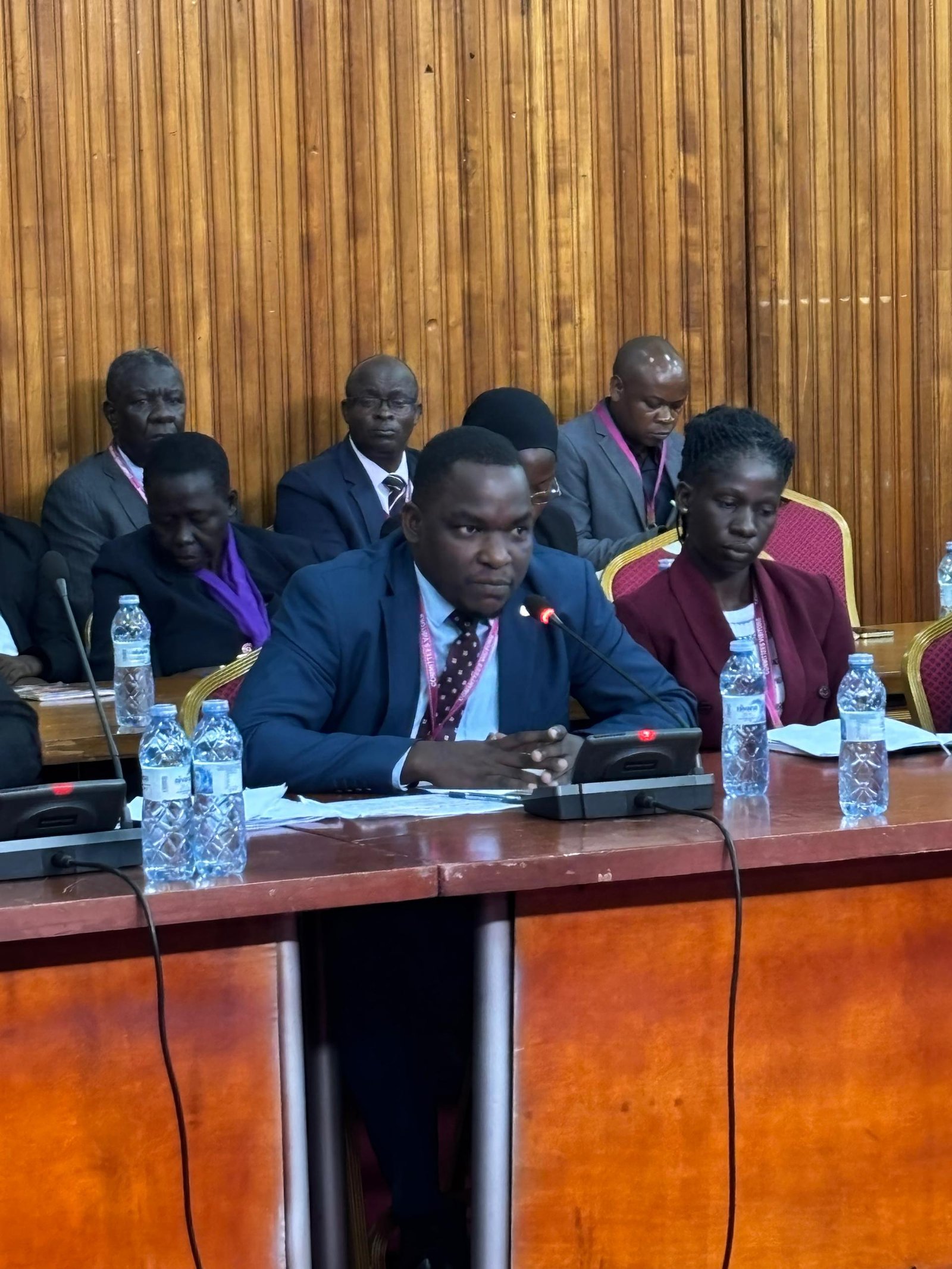
Aled faces the parliamentary joint committee on security and internal affairs over the protection of the sovereignty bill,2026. Calls for complete rejection of the bill .
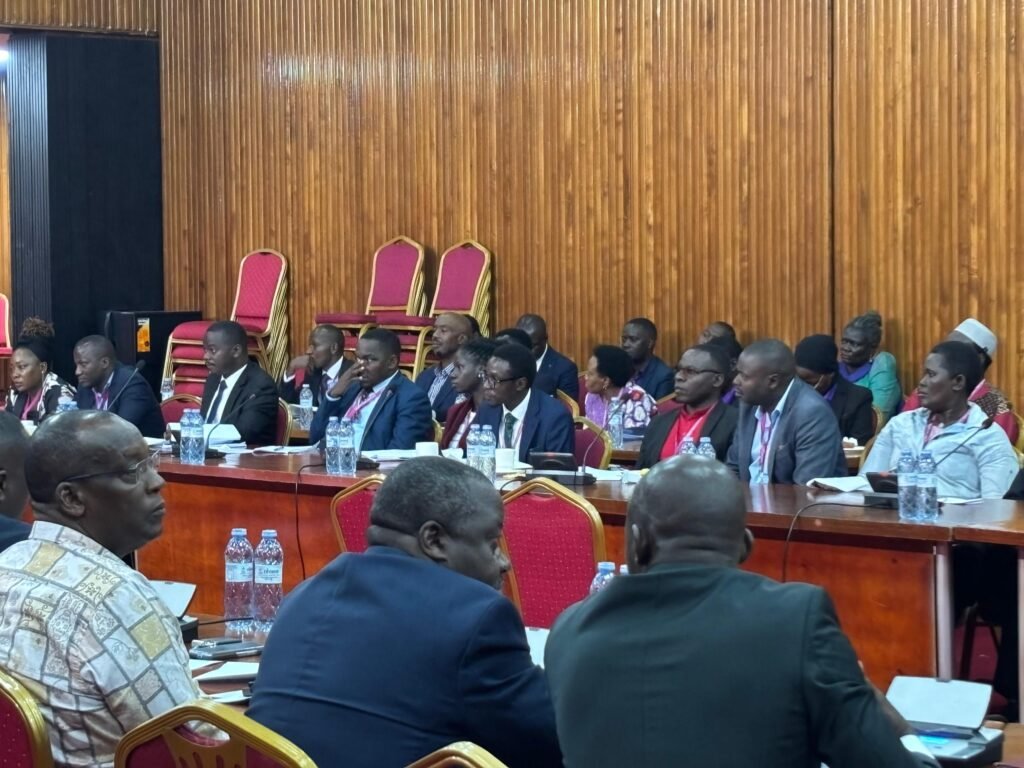
Action for Liberty and Economic Development (ALED) has urged Parliament’s Joint Committee on Defence and Internal Affairs to quash the Protection of Sovereignty Bill, 2026, describing the proposed legislation as a threat to Uganda’s stability, prosperity, and constitutional order.
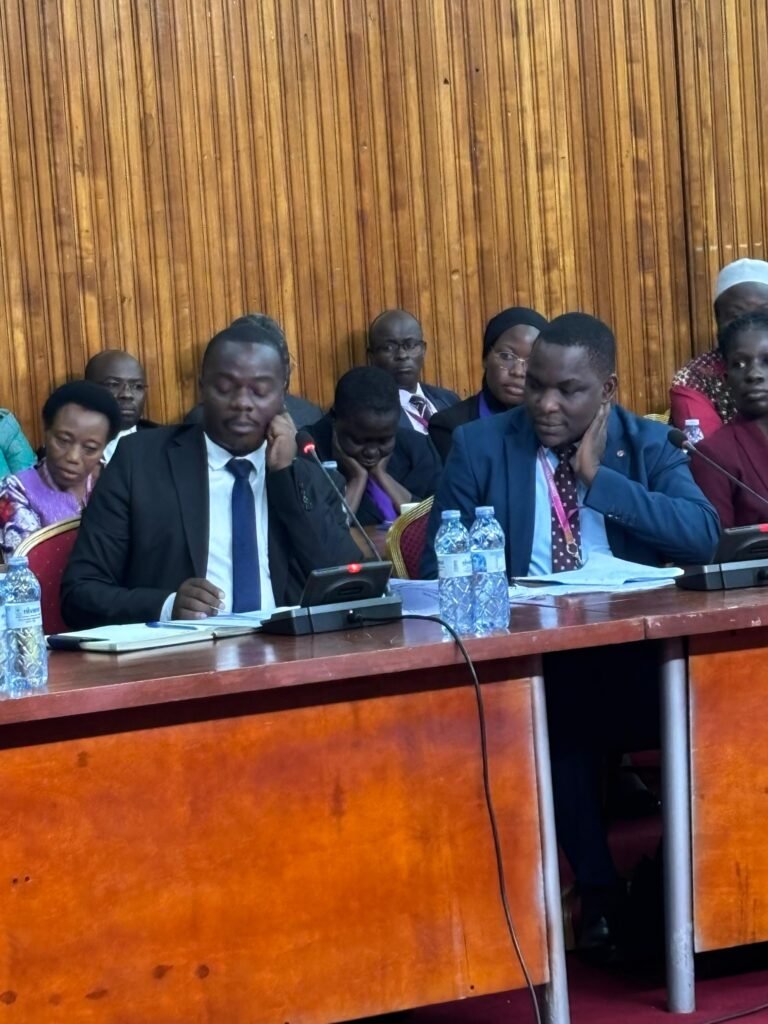
In a memorandum submitted to the committee on April 24, 2026, the civil society organisation argued that the Bill, approved by Cabinet on March 23, 2026, grants excessive powers to the Executive while weakening the other two arms of government.
“The Bill is intended to resurrect the forces of tyranny, oppression and exploitation which is against the preamble of the 1995 Constitution,” ALED stated in its 23-page submission.
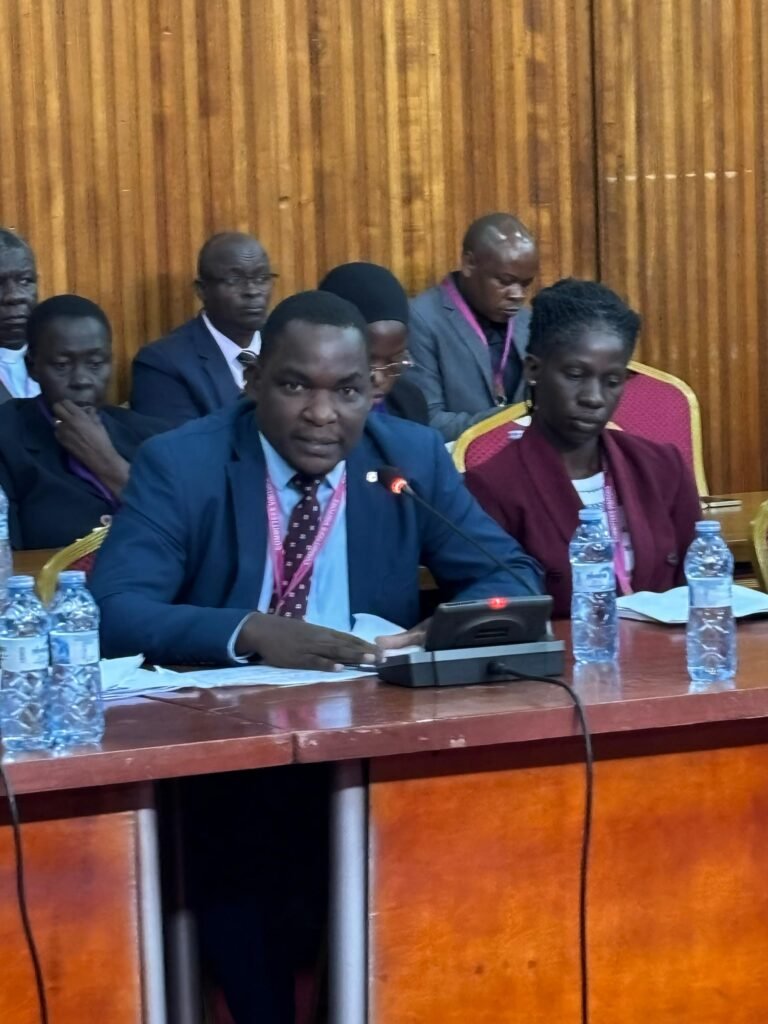
Overbroad Definitions Target Ordinary Citizens
ALED raised serious concerns about the Bill’s definition of “agent of a foreigner,” which it said is “too wide, imprecise and ambiguous.” The organisation warned that under the current wording, a Ugandan citizen receiving funds from a relative working abroad would technically be required to register as a foreign agent, risking up to 10 years’ imprisonment for failure to register.
“A community health worker employed by an international NGO delivering malaria medication to children” could be criminalised “even if they are entirely unaware that their employment status triggers registration requirements,” the memorandum stated. “This constitutes the criminalisation of ordinary employment and is wholly disproportionate.”
Ugandans in Diaspora Classified as ‘Foreigners’
ALED took particular issue with the Bill’s classification of Ugandan citizens residing outside Uganda as “foreigners,” arguing this strips them of their citizenship and constitutional duties under Objective XXIV of the National Objectives and Directive Principles of State Policy and Article 17 of the Constitution.
“Classifying Ugandans living abroad as ‘foreigners’ strips Ugandans of their citizenship and duties as citizens,” the memorandum reads. These duties include being patriotic and loyal to Uganda, promoting its well-being, fostering national unity, and promoting democracy and the rule of law.
The organisation further warned that Ugandan-owned businesses expanding across the region risk being classified as foreign entities, penalising national economic growth.
Executive Overreach and Usurpation of Parliament
ALED criticised clause 1(f) of the Bill, which grants the minister absolute power to declare any person, institution or body a foreigner by statutory instrument.
“This provision rests more power to the executive and takes away the legislative powers of Parliament which is inconsistent with Article 79 of the Constitution,” the memorandum stated.
The organisation also flagged clause 2(2)(i), which allows the minister to bring any other activity under the Bill’s application, calling it “prone to abuse by the Executive.”
Vague Provisions Violate Constitutional Rights
According to ALED, multiple clauses fail to define key terms such as “interests of Uganda,” “interests of a foreigner,” “hindering,” “frustrating,” “disrupting,” and “weakening or damaging an economic system.” The organisation argued this violates Article 28 of the Constitution, which requires criminal offences to be precisely defined so that an accused person understands the nature of the charge.
Clause 8(3), which prohibits agents of foreigners from hindering, frustrating or disrupting the implementation of government policy, was singled out for lacking legal definitions. “This makes the provision vague, imprecise and therefore unconstitutional,” ALED argued.
Similarly, clause 13, which criminalises publishing information that “weakens or damages the economic system,” could be used to target researchers and journalists. “An article discussing the state of the economy can be interpreted as an offence,” the memorandum warned.
Harsh Penalties and Economic Disruption
ALED expressed alarm at the severity of penalties under the Bill, including up to 20 years’ imprisonment for promoting the interests of a foreigner against Uganda, and fines as high as 200,000 currency points (approximately UGX 4 billion) for legal entities.
Clause 22, which prohibits receipt of foreign funding exceeding 20,000 currency points (UGX 400 million) within any 12-month period without written ministerial approval, was described as “unreasonable” and “presumptive and unenforceable.”
“How will a person or an agent of a foreigner know that they are going to receive financial support, donation, loan or other assistance in excess of twenty thousand currency points in a period of 12 months?” ALED asked.
The organisation warned the provision would stifle economic growth, disrupting major infrastructure projects, commercial banking operations, and humanitarian programmes that depend on foreign direct investment, syndicated lending, venture capital, and large charitable grants.
Cabinet Approval Requirement Burdensome
ALED also criticised clause 6, which requires Cabinet approval—rather than line ministry approval—for any person or agent of a foreigner exercising functions specified in the Sixth Schedule to the Constitution, including defence, external security, immigration, courts of law, and constitutional amendment.
“The requirement of Cabinet approval is burdensome and it will discourage potential private investors,” the memorandum stated, recommending that licensing be done by the relevant line ministry instead.
Similarly, clause 7, which makes it an offence for any person to develop government policy without Cabinet approval, was described as “contrary to the tenets of a democratic state.” ALED noted that civil society organisations, the private sector, academics, experts, media and citizens routinely propose or influence policy formulation.
Recommendations: Quash the Bill
ALED made several specific recommendations, including:
· Dropping clause 11 entirely, which prohibits agents of foreigners from interfering with electoral processes, arguing it would disenfranchise Ugandans abroad and penalise citizens for exercising civic rights.
· Dropping clause 12 on “interfering with operations of Government” due to lack of legal certainty.
· Dropping clause 21 on public declaration of funding sources, noting that existing laws such as the NGO Act, Anti-Money Laundering Act, and Political Parties and Organisations Act already regulate foreign funding.
· Dropping clause 22 on the UGX 400 million funding threshold.
· Reducing proposed fines and eliminating 20-year prison sentences.
· Replacing compulsory language (“shall”) with permissive language (“may”) in clause 7(3).
“If a registration scheme is maintained,” ALED proposed, “it should be limited to persons acting as agents of foreign governments or foreign political organisations in relation to political activities in Uganda.” The penalty for non-registration, it argued, should be administrative—a fine, not imprisonment.
Broad Coalition Opposing Bill
ALED’s submission follows similar opposition from the National Unity Platform (NUP), whose Secretary General Lewis Rubongoya recently told the same joint committee that the Bill “criminalises opposition” and targets the party over its diaspora engagement.
Rubongoya had argued that clause 8(3) prohibiting opposition to government policy is “extremely unconstitutional,” while clause 13’s vague language “suppresses journalism and political criticism.”
The joint committee of the Committee on Defence and Internal Affairs and the Committee on Legal and Parliamentary Affairs continues to receive submissions on the Bill. Parliament has not yet indicated when it will report back on the proposed legislation.
About The Author