
U.S. Forces Seize Venezuelan President; Maduro to Face Narco-Terrorism Charges in New York Court
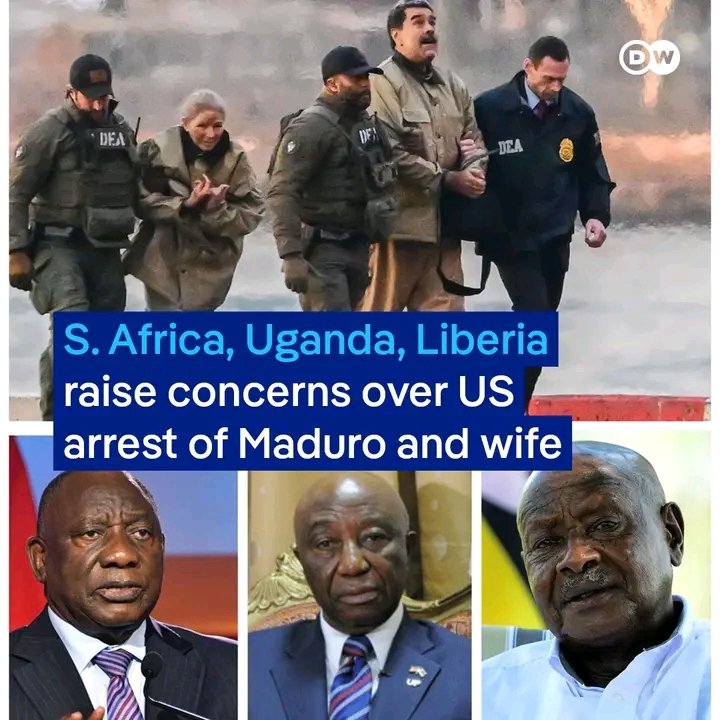
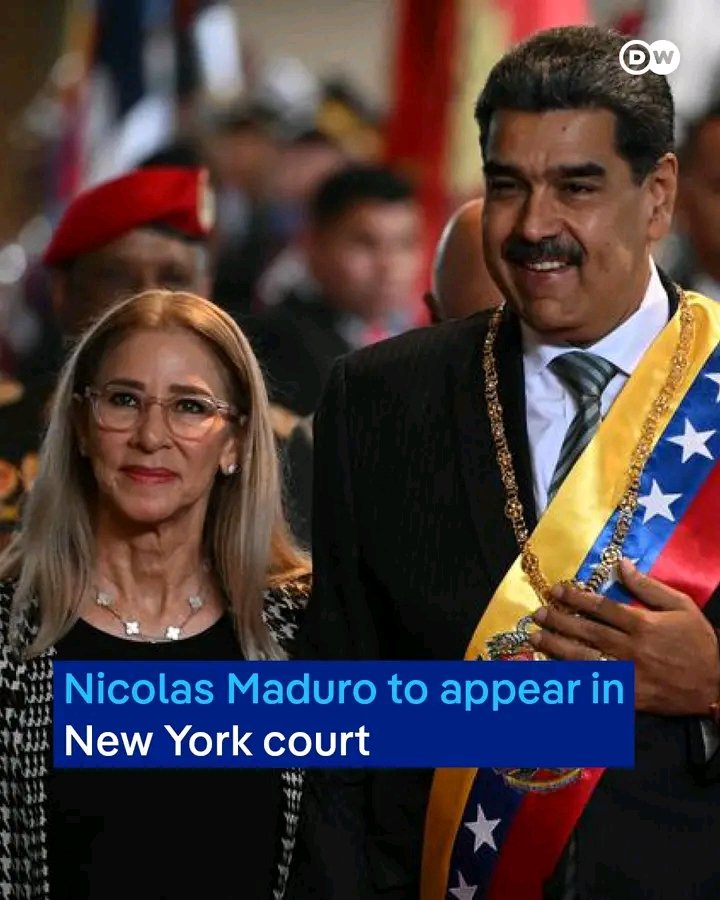
In an unprecedented military and judicial operation, Venezuelan President Nicolás Maduro and his wife, Cilia Flores, were seized from their residence in Caracas and are now in U.S. custody. Maduro is scheduled to appear before a federal judge in Manhattan on Monday, marking a dramatic escalation in Washington’s long-running campaign against his socialist government.
The arrest, carried out by U.S. forces at a military base in the Venezuelan capital, follows years of escalating tensions. The United States had already indicted Maduro and several top Venezuelan officials in March 2020 on charges of narco-terrorism conspiracy, accusing them of converting the state into a criminal enterprise in partnership with the Colombian FARC guerrilla group to “flood the United States with cocaine.”
On Saturday, following the arrest, the U.S. Justice Department unveiled a new, superseding indictment against Maduro and his wife. The document delivers a stark political condemnation, describing Maduro’s administration as a “corrupt, illegitimate government” that is allegedly sustained by a massive drug-trafficking operation.
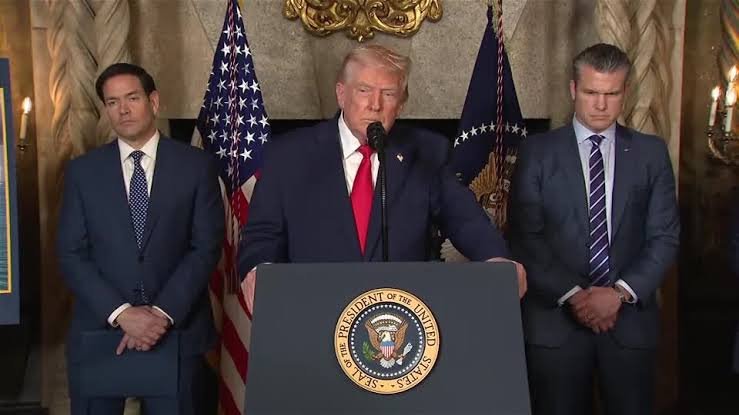
“The Maduro regime is awash in corruption and criminality,” a senior Justice Department official stated. “Today’s actions demonstrate our unwavering commitment to holding accountable those who threaten the stability of our hemisphere and the safety of the American people.”
The new indictment expands on the earlier allegations, providing further details on the couple’s alleged central role in a cocaine trafficking conspiracy that purportedly involved high-ranking Venezuelan military and political figures. The charges carry potential life sentences.
Monday’s court appearance will be Maduro’s first before the U.S. judiciary. The proceeding is expected to address the formal reading of charges and matters of detention. His legal team, which has previously denounced the U.S. charges as a politically motivated “lawfare” attack, is anticipated to mount a vigorous defense.
The operation has triggered a severe political crisis. The Venezuelan government, now presumably under the control of Vice President Delcy Rodríguez or other loyalists, has yet to issue an official statement. Reactions from allies like Russia, Cuba, and China are expected to be fiercely critical, condemning the act as a blatant violation of international law and sovereignty.
Regional responses have been divided. While longtime opponents of Maduro’s government have celebrated the move, others in Latin America have expressed deep concern over the precedent of a foreign power forcibly removing a sitting head of state.
The bold seizure of a foreign leader on his own soil is a historic move with unpredictable consequences for U.S.-Venezuela relations, regional stability, and the ongoing crisis within Venezuela itself. All eyes will now turn to the federal courthouse in Lower Manhattan as the legal and political drama enters its next phase.
About The Author