

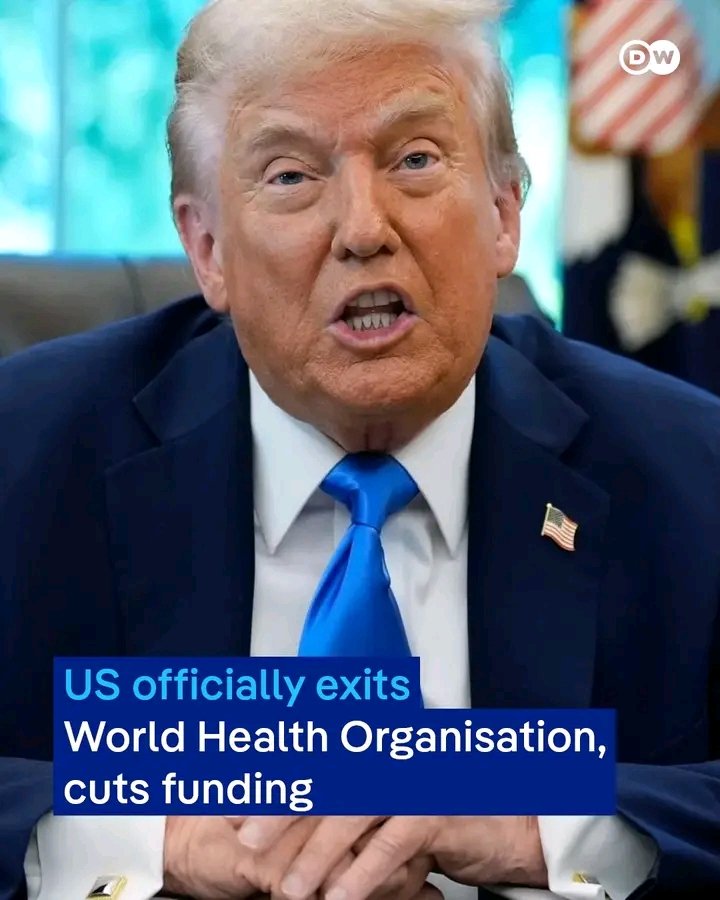
U.S. Officially Exits World Health Organization, Triggering Funding Crisis
WASHINGTON — The United States formally withdrew from the World Health Organization (WHO) today, severing its ties and financial support to the global health body and leaving approximately $260 million in unpaid assessed contributions, according to multiple reports.
The departure, initiated by an order from then-President Donald Trump in 2025, immediately creates a profound budget crisis for the WHO and has sparked warnings from health experts and diplomats that the move undermines international efforts to combat pandemics and other health threats.
For decades, the U.S. was the single largest donor to the WHO, contributing roughly 18% of its total budget through a combination of assessed and voluntary funds. The cessation of all American financial support removes a critical pillar of the organization’s funding structure.
President Trump announced the intent to withdraw in 2025, citing chronic grievances with the UN agency. He accused the WHO of “mismanaging health information” and failing to respond effectively during past global health emergencies. The process, set in motion over a year ago, culminated in today’s official exit.
The action, however, faces significant legal and procedural challenges. Legal experts point to statutes requiring the United States to provide a one-year notice period for such a withdrawal and to settle all outstanding financial obligations to the organization. The existence of the $260 million in unpaid dues and the timeline of the withdrawal process may mean the exit “may violate U.S. law,” according to analysts.
The WHO has not yet issued an official statement on the day’s events, but senior officials have previously warned that a U.S. exit would create a substantial gap in funding for core programs, including those for polio eradication, vaccine distribution, and global epidemic response. Allies of the United States have expressed concern that the withdrawal creates a dangerous vacuum in global health leadership at a time of ongoing transnational health challenges.
The long-term implications for both the WHO’s operations and U.S. influence in global health diplomacy remain uncertain.
About The Author