
Elon Musk Testifies OpenAI Abandoned Nonprofit Mission for Profit, Seeks $150 Billion in Damages
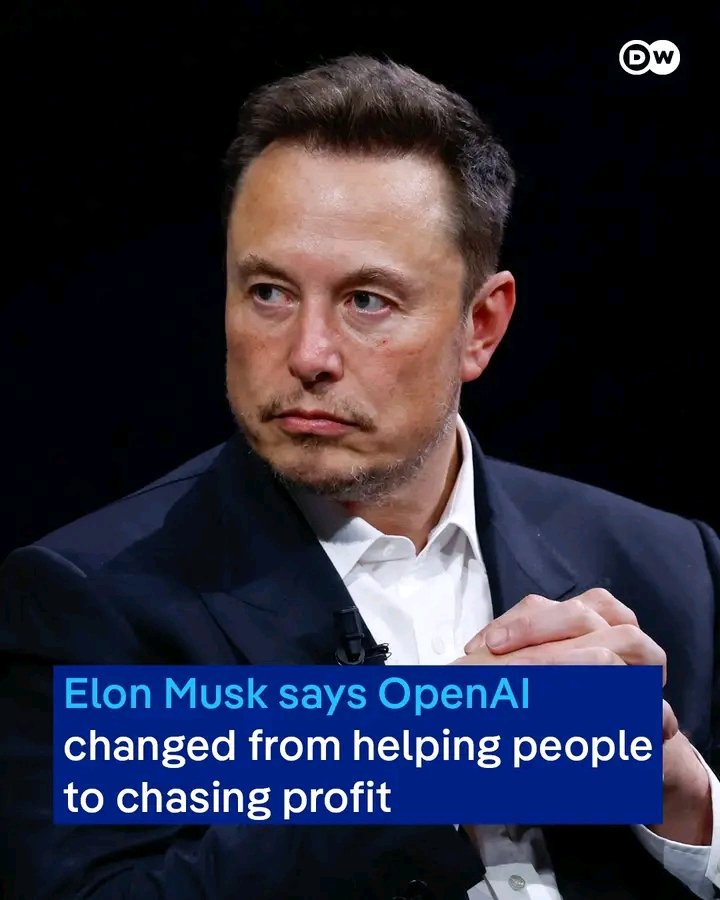
WASHINGTON — Elon Musk testified in a major U.S. court case on Wednesday, accusing OpenAI’s leadership of abandoning the company’s founding mission to develop artificial intelligence for the benefit of humanity in favor of pursuing profits.
Musk, a co-founder of OpenAI who has since left the organization, told the court that OpenAI was originally intended to operate as a nonprofit – similar to a charity – and warned that its shift toward a profit-driven model could severely damage public trust in AI development.
The Tesla and SpaceX CEO specifically named OpenAI CEO Sam Altman and president Greg Brockman as key figures who moved the company away from its stated goal of creating safe, accessible AI for everyone.
“The original charter was clear: this was meant to be a public benefit,” Musk testified, according to court records. “Turning it into a profit machine betrays that promise.”
OpenAI’s legal team pushed back aggressively, arguing that Musk himself had supported a more business-focused structure in the past. They contended that Musk only filed the lawsuit after failing to gain control of the company.
“The plaintiff’s claims are opportunistic,” an OpenAI attorney told the court. “He supported commercial pivots when it suited him and only changed his position when he could not acquire power over the organization.”
Musk is seeking approximately $150 billion in damages. His legal team has stated that any money awarded would be directed to OpenAI’s charitable arm, in an effort to restore what they describe as the company’s original nonprofit spirit.
The case, which has drawn intense scrutiny from the tech industry and AI safety advocates, is expected to continue for several more weeks. A ruling could have significant implications for how AI companies balance public benefit missions with commercial incentives.
Neither Altman nor Brockman has publicly commented on Musk’s testimony. OpenAI maintains that it remains committed to its safety-focused charter while pursuing a hybrid structure that allows it to raise the capital necessary for advanced AI research.
About The Author