
MPs, Central Bank Clash Over Controversial Sovereignty Bill as Uganda Faces Economic ‘Sabotage’ Risk
KAMPALA — A storm is brewing in Uganda’s Parliament as the proposed Protection of Sovereignty Bill, 2026, faces fierce opposition from the country’s top financial minds, exposing deep fractures in the government’s legislative process.
The Joint Committee of Defence and Internal Affairs and the Legal and Parliamentary Affairs Committee heard shocking testimony this week: the Bank of Uganda was never consulted by the agencies behind the drafting of the controversial Bill.
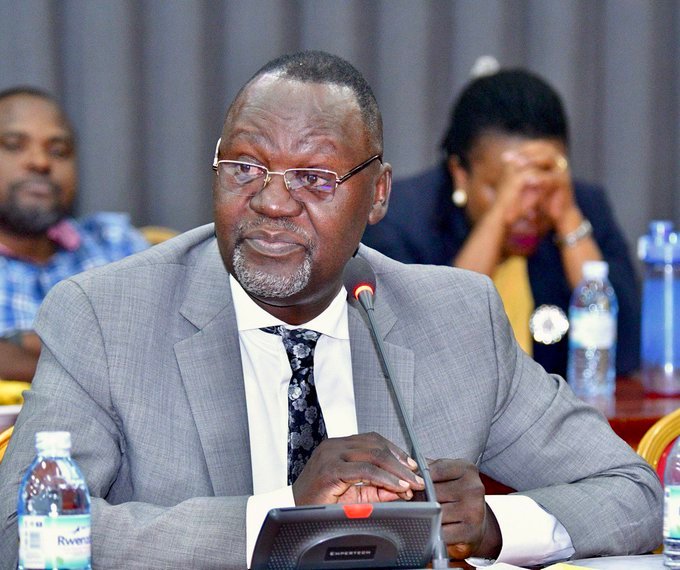
“True national sovereignty is built on economic strength and financial independence,” said Michael Atingi-Ego, Governor of the Bank of Uganda. While acknowledging that “the goal of protecting national interests is legitimate,” Atingi-Ego warned that the Bill “as currently drafted risks reversing three decades of successful financial development through liberalisation that has sustained economic growth.”
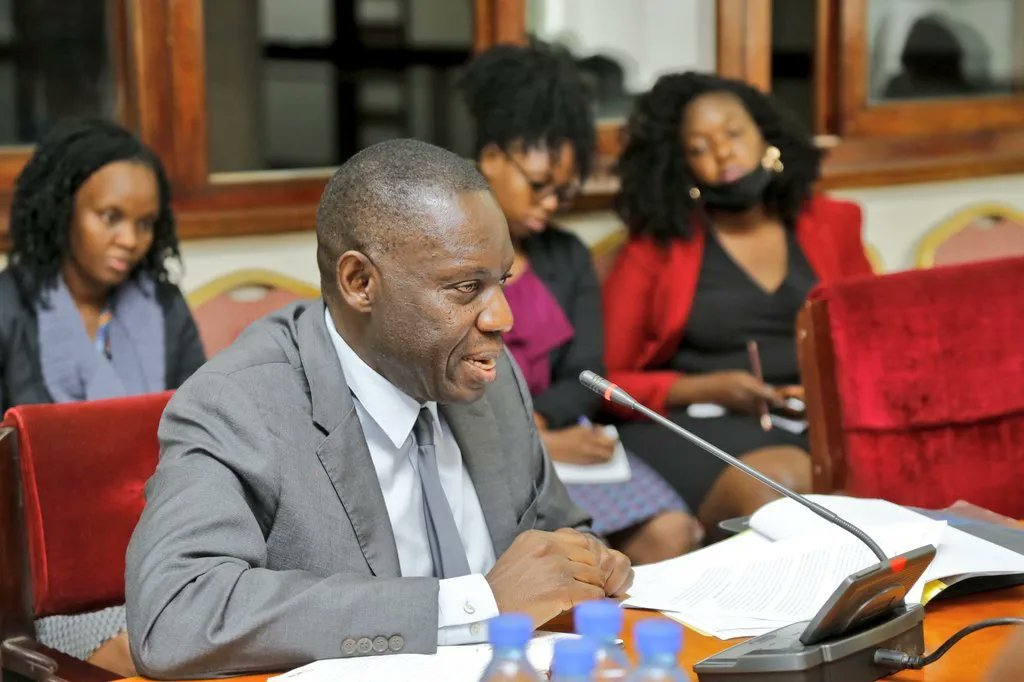
The Governor, accompanied by his deputy Augustus Niwagaba in a rare joint appearance, painted a dire picture of the Bill’s potential consequences.
“We are going to have a substantial depreciation of the currency,” Atingi-Ego explained, arguing that imports would become more expensive to balance trade. He further warned that the Bill would reduce financial inflows, crippling Uganda’s ability to build foreign reserves. “A country without reserves is not sovereign,” he stated bluntly.
The Central Bank cautioned that passing the legislation in its current form would amount to economic sabotage, weakening the Ugandan shilling and making it difficult for the government to service its public debt.
‘The Ugly Position’
The admission of non-consultation triggered an immediate backlash from lawmakers, who turned their criticism on the very government proposing the Bill.
“What we are doing today, is what should have been done by government,” said Katuntu, a vocal member of the committee. He recounted that from the moment the Governor began his submission, he had been “grappling with many questions” about what is happening in Uganda.
Katuntu listed the stakeholders the government should have consulted: “Talking to the central bank, talking to FIA, talking to Makerere University, talking to banks, talking to literally people who should be the stakeholder.”
Instead, he noted with frustration, “from all of them as they have appeared here, they seem to be so confused about who actually brought this sort of legislation here. That is the ugly position the government has put us into. There is a big, big problem.”
‘A Gift to the Enemies’
The most scathing assessment came from Butembo County MP, David Livingstone Zijan, who suggested that the Bill’s true effect would be the opposite of its stated purpose.
“I think that passing this law would be the greatest gift to the enemies of this country,” Zijan told the committee. “That the bill passing, our enemies would not need to do anything. Actually, our enemies need to fund this bill, they need to put effort in making us pass it in the way that it is.”
He concluded with a direct accusation: “I think that whoever thought of it and drafted it is really the threat to our sovereignty.”
Atingi-Ego urged Parliament to adopt “technical refinements” to safeguard the nation “without compromising the world-class financial architecture essential for Uganda’s journey to achieve the US$500bn economy.”
Whether the joint committee will heed the Central Bank’s warning or proceed with the Bill as drafted remains to be seen. But the unprecedented public rebuke from Uganda’s financial authorities has placed the government in an increasingly isolated and embarrassing position.
About The Author