
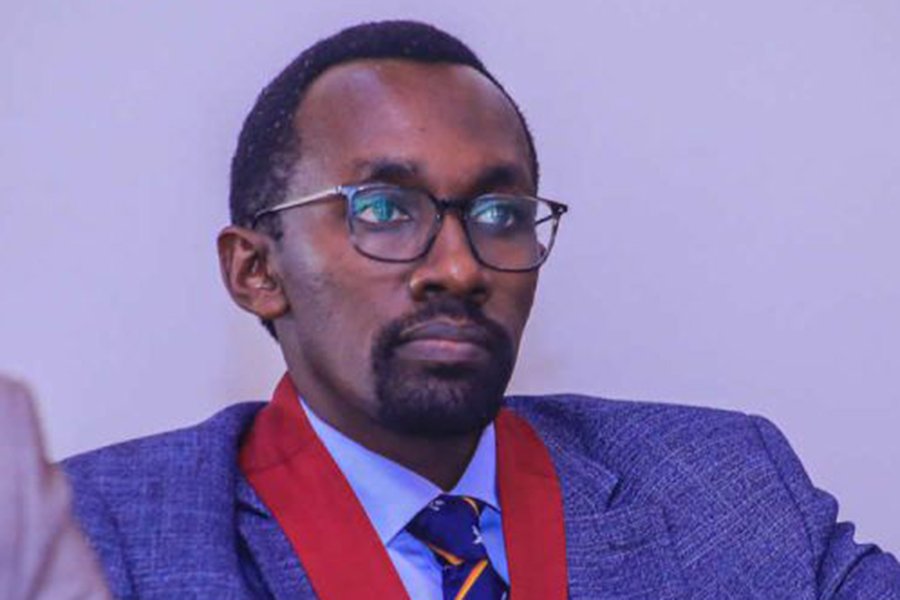
Uganda’s Only Transplant Surgeon Warns New Bill Could Cripple Medical Association, Health Advocacy
KAMPALA — Dr. Asiimwe, a consultant urologist at Mulago National Referral Hospital and Uganda’s sole transplant surgeon, has issued a stark warning that the proposed Protection of Sovereignty Bill, 2026, could force the Uganda Medical Association (UMA) to deregister its own members or face criminal liability.
Speaking publicly on the matter, Dr. Asiimwe explained that the bill would place the association in an untenable position if it receives or channels foreign funding for activities such as training grants, human rights advocacy, or continuing professional development supported by international partners.
“The association may become reluctant to engage in policy advocacy, which is part of what we are doing, litigation, which we are also doing, public discourse on issues related to health financing, labour rights, and governance,” Dr. Asiimwe said. “We are going to censure ourselves and may retract from these activities, and maybe that’s the intention of the law, of the bill.”
He warned that this fear of sanctions would directly undermine the association’s constitutional mandate to protect the interests of medical professionals and advocate for better healthcare for all Ugandans.
Dr. Asiimwe urged Parliament to recognise that medicine is not a political instrument but a humanitarian and professional calling governed by ethics, science, and the duty to preserve life.
“Sovereignty is best protected by a healthy and productive population. Weakening the health system through this Bill is actually a sovereignty risk, not a protection,” he argued. “Therefore, the application of this bill to the medical fraternity is unconstitutional, disproportionate.”
He concluded with a direct appeal to legislators: “We respectfully call upon the entire Parliament to oppose the bill in its current form or substantially amend it to protect Uganda’s medical profession and the health of all its people. A sovereign nation is only as strong as the health and well-being of its citizens.”
About The Author