

Uganda Airlines at an Inflection Point: Expert Calls for Commercial Autonomy, Citing Ethiopian Blueprint
KAMPALA – The survival and success of Uganda Airlines hinge on its transformation into a purely commercial enterprise, insulated from political interference, according to a detailed analysis by Captain Mike Mukula, Chairman of the Pan African Movement. Drawing on global experience and his own academic research, Capt. Mukula asserts that the national carrier’s future depends on urgent institutional reforms.
In a comprehensive outline, Mukula, who authored an MBA dissertation on “Management Challenges in African Airlines” and undertook advanced training at Harvard Kennedy School, stressed that aviation’s demanding nature is incompatible with institutional bureaucracy. “Airlines are not ordinary public institutions; they are capital intensive, high-risk, margin sensitive enterprises that must be managed commercially, not administratively,” he stated.
The article identifies several non-negotiable pillars for Uganda Airlines’ sustainability:
- Governance and Commercial Autonomy:
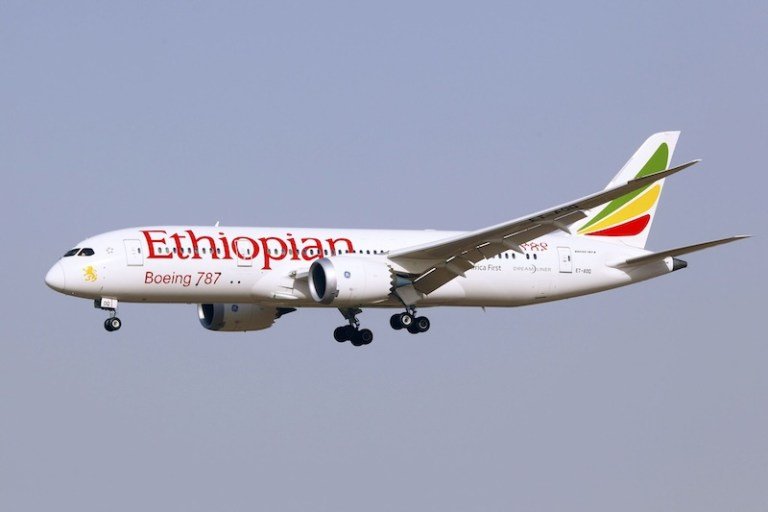
Mukula points to Ethiopian Airlines as a practical African blueprint, emphasizing the need for professional governance, data-driven decisions, and a clear separation between ownership and management. “Uganda Airlines Ltd can only succeed if it is run as a commercial airline, not a political project,” he writes. - Financial and Operational Discipline:
The airline must be fully and predictably capitalized to escape a cycle of “survival-mode operations.” During its consolidation phase, Mukula advises strict fleet discipline—operating no more than two aircraft types, preferably Boeing—to slash training, maintenance, and inventory costs while boosting reliability. - Strategic Long-Term Investments:
Building a fully equipped in-house Maintenance, Repair, and Overhaul (MRO) base is flagged as critical for lowering operating costs, ensuring technical independence, and creating future revenue streams from third-party contracts. - Leadership and Human Capital:
“Leadership matters most,” Mukula asserts, calling for the appointment of a CEO with extensive international airline experience, backed by a clear commercial mandate and real authority. This must be supported by a management team of proven experts. Furthermore, he highlights cabin crew as frontline brand ambassadors who must embody Uganda’s warmth and professionalism to elevate the national brand globally.
Capt. Mukula contextualized these recommendations within Uganda’s strategic imperatives. As a landlocked nation with a premium tourism offering, air transport is “not a luxury but a strategic economic lifeline.” A well-run airline, he argues, is a catalyst for trade, tourism, and national branding.
“Uganda Airlines therefore sits at a critical inflection point,” he concluded. “With internal restructuring, institutional reforms, and effective corporate governance, the airline can transition from survival to sustainability. The future is promising, but success will be determined by choices made today: disciplined governance, professional management, and respect for aviation economics.”
“In aviation,” he reminded, “altitude is earned, not declared.”
About The Author