
Legal Showdown Looms as Opposition Challenges Uganda’s Protection of Sovereignty Bill
KAMPALA, Uganda – A high-stakes legal battle is on the horizon after opposition legislators announced plans to challenge Uganda’s newly passed Protection of Sovereignty Bill, 2026, alleging procedural violations and constitutional breaches during its passage through Parliament.
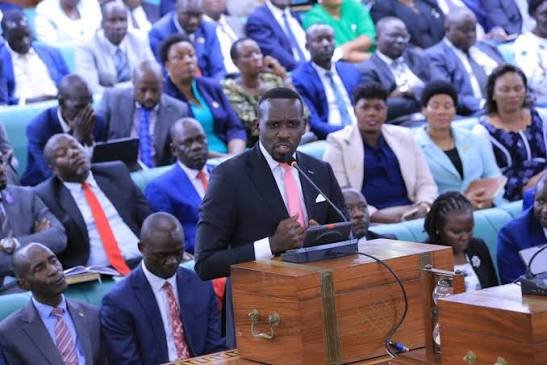
Lawmakers made their intentions public during interviews at Parliament on May 6, arguing that the government rushed the controversial legislation through without adhering to parliamentary rules, constitutional safeguards, or internationally recognized governance and human rights principles.
The Protection of Sovereignty Bill, which the government says is designed to shield Uganda from external interference and foreign influence, has already sparked fierce political debate. Critics warn the law could be weaponized to curtail civil liberties, silence political dissent, and erode constitutional protections.
‘Technical Mistakes’ and Flawed Drafting
Medard Sseggona, one of the opposition lawmakers leading the challenge, accused both Parliament and the government of committing what he termed “technical mistakes” in the bill’s drafting and processing.
“Now, by using the words ‘for avoidance of doubt,’ actually their intention should have been, I believe it was, to use the word ‘notwithstanding.’ That ‘notwithstanding’ would have subordinated the exemption clause to the application clause, but they forgot that,” Sseggona argued.
He suggested the opposition deliberately allowed the government to proceed with flawed drafting, remarking: “The English say when your enemy is making mistakes, you do not interfere.”
Fellow opposition legislator Luyimbazi Nalukoola criticized the bill’s processing as unconstitutional and inconsistent with international principles on human rights, rule of law, and constitutionalism. He further alleged that President Yoweri Museveni improperly influenced the legislative process by reportedly engaging committee chairpersons handling the bill.
“You remember General Museveni recently communicated to the effect that he called the chairpersons of the two committees which were handling the Bill and guided them, ordered them and directed them on what to do. That is against the doctrine of separation of powers,” Nalukoola said.
He added that the legislation suffers from vagueness and ambiguity, arguing it should have been withdrawn and redrafted. “For consideration by court, I don’t think it will survive,” he predicted.
Concerns Over Due Process and Fair Hearing
Denis Oguzu faulted the government for failing to conduct a comprehensive regulatory impact assessment before introducing the legislation. He argued that Parliament passed the bill without adequately examining its long-term implications for governance, investment, and civil rights.
“For example, if a proposal is made that the minister can act without due process and revoke certain licences, would that amount to fair hearing?” Oguzu asked.
Citing Article 44 of Uganda’s Constitution, which protects non-derogable rights including the right to a fair hearing, Oguzu warned that some provisions may directly conflict with constitutional guarantees.
“So, things like that needed to have been corrected so that the law is not perceived as intended to target a group of people, but that it is for posterity,” he said.
Oguzu also criticized Parliament’s handling of debate on the bill, saying opposition legislators were not given sufficient opportunity to present minority reports and procedural concerns. He accused Speaker Anita Among of failing to adequately rule on key procedural objections.
“In terms of balancing, there was no elaborate debate. We should have discussed the objectives and principles of the Bill before even going to the third stage. That did not happen,” Oguzu said. He referenced concerns raised by Sseggona that the law potentially violates Rule 133 of Parliament’s Rules of Procedure, which bars Parliament from considering legislation that derogates protected constitutional rights.
Government Defends Law and Legislative Process
The government has strongly defended both the law and the process used to pass it. Government Chief Whip Hamson Obua said the legislation is intended to protect Uganda from external political interference and foreign manipulation, noting that many countries have enacted similar laws to safeguard national sovereignty.
“We, the people of Uganda, recall our history characterised by political instability. Who were the actors bringing instability into our country? Majority were foreigners,” Obua said, citing historical events surrounding the overthrow of former President Milton Obote and the rise of Idi Amin as examples of alleged foreign influence.
“You have seen countries falling. They are not falling on their own. They are falling because of external influence and interference, and that is what this law seeks to protect Ugandans against,” Obua argued.
He dismissed claims that the legislation would isolate Uganda internationally or discourage investment and foreign support. “We are not isolating Uganda from the rest of the world. This Bill is not affecting direct foreign investment, donations to religious denominations or remittances from Ugandans abroad,” he said.
On the opposition’s threat to seek judicial redress, Obua said the government was prepared to defend the law in court and welcomed legal challenges as part of Uganda’s democratic process.
“We complied with the Rules of Procedure of Parliament and the Constitution. If there are Ugandans who are dissatisfied and wish to exercise their constitutional right of going to court, there is nothing I can say,” Obua stated. “I believe the chambers of the Attorney General, as the principal legal adviser to Government, will be ready to defend the position taken by the Government of Uganda.”
Broader Constitutional Questions Ahead
The anticipated court challenge is expected to test not only the constitutionality of the Protection of Sovereignty Act, but also broader questions surrounding legislative procedure, separation of powers, and the balance between national security and civil liberties in Uganda’s evolving political landscape.
Legal analysts say the case could set important precedents for how far Parliament may go in limiting fundamental rights in the name of national sovereignty, and whether procedural shortcuts can invalidate major legislation.
As both sides prepare for what promises to be a landmark legal showdown, Ugandans will be watching closely to see how the judiciary navigates these competing claims of national security and constitutional fidelity.
About The Author