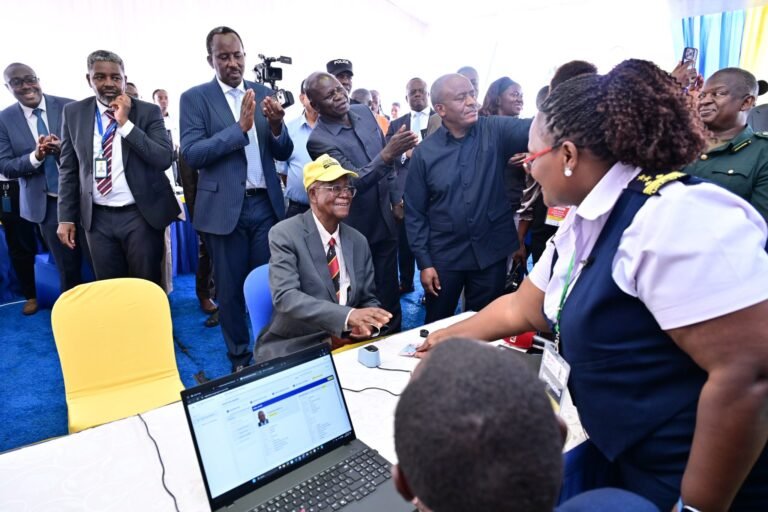

ENTEBBE DIVISION B: HIGH-STAKES REFERENDUM ON DEMOCRACY UNFOLDS AS POLLS OPEN
ENTEBBE, UGANDA – February 4, 2026
Under the heavy skies of Lake Victoria, the political atmosphere in Entebbe Division B has transformed from one of mourning to one of defiant mobilization. As polls opened nationwide today, this peninsula constituency has become the epicenter of a tense and symbolic clash that transcends local governance, evolving into a national referendum on political defiance, institutional power, and the very soul of Ugandan democracy.
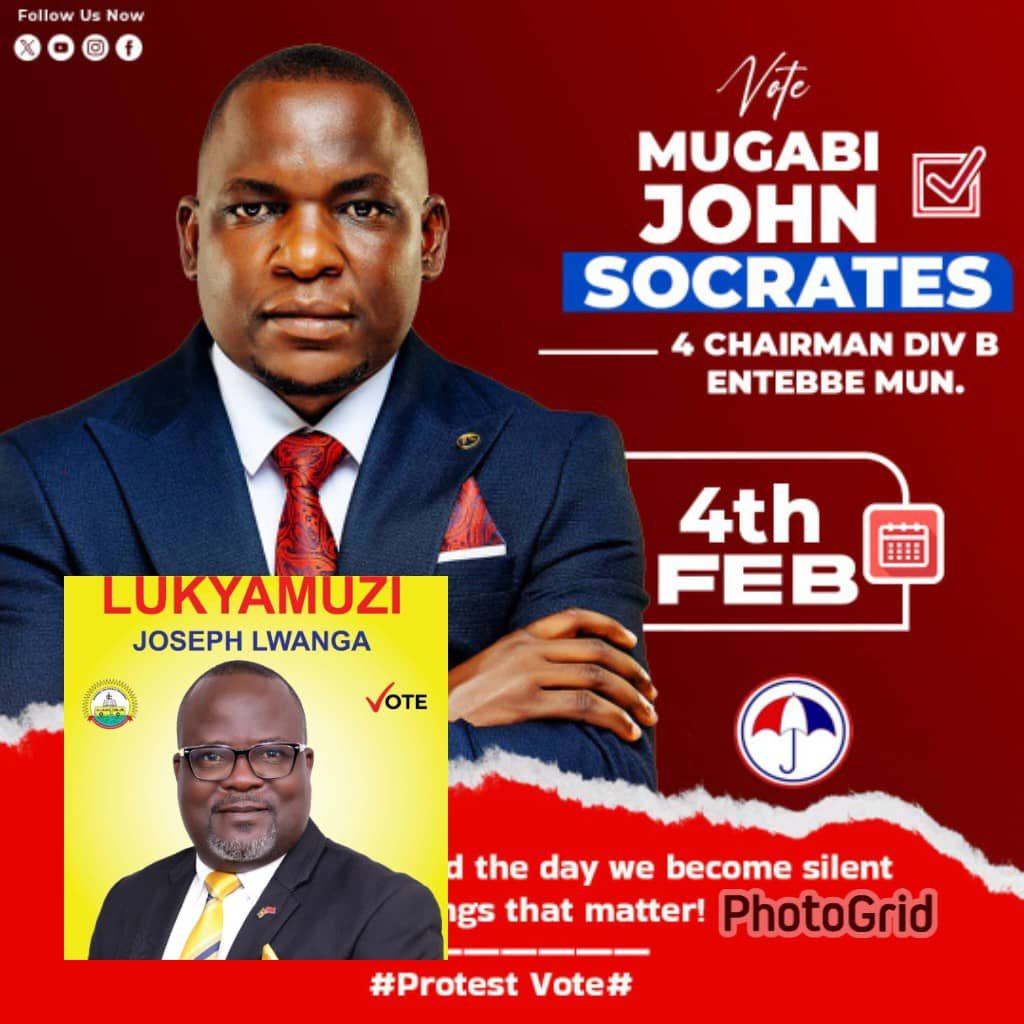
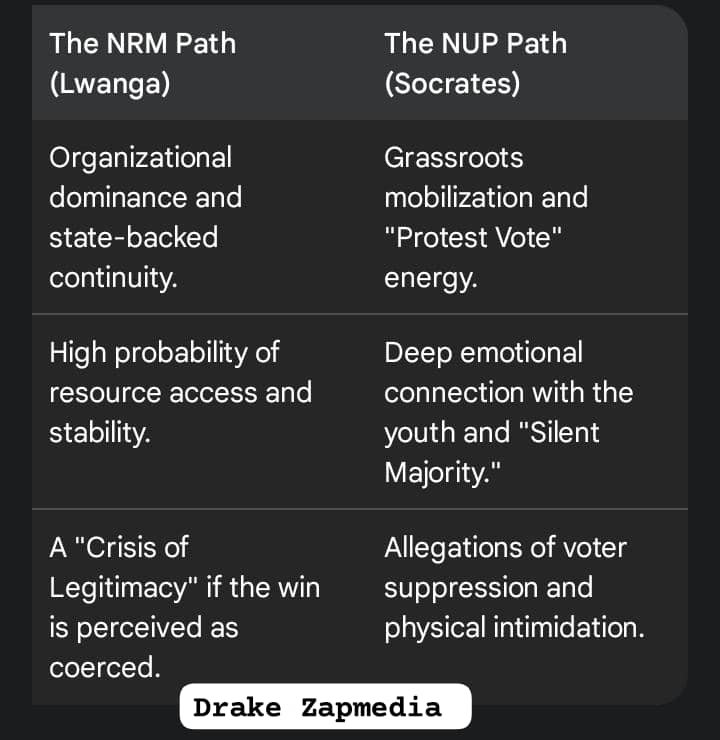
The race pits Mugabi John “Socrates” of the National Unity Platform (NUP) against the NRM’s Lukyamuzi Joseph Lwanga. For Socrates, the campaign has been a rollercoaster of withdrawal and dramatic return, a move that has electrified a base that felt “politically orphaned” just days ago. His return, framed as walking “straight into the fire,” has turned the election into a live test of the “Socrates Dilemma”—the choice between confronting the system or retreating from it.
While the neighboring Division A proceeds with a quieter, administrative rhythm, Division B is gripped by a high-stakes collision between NUP’s grassroots energy and the NRM’s formidable institutional machinery.
The Unanswered Questions
As voters in Kitoro and the landing sites cast their ballots, several critical questions hang over the process, defining the day’s true significance:
- Guardians of the Vote: Can the opposition, with its newly galvanized base, effectively defend its tallying centers and guard ballot boxes until the final declaration? Past cycles have seen NUP struggle to protect votes after polling closes.
- A Legacy of Doubt: Can the NRM’s Lwanga, who commands genuine local support, achieve a victory free from the pervasive public shadow of electoral manipulation? The peninsula watches to see if the result will earn the respect of a community where memories of political disappearances remain raw.
- The Neutrality of Force: Despite police assurances of operational safety, the presence of security assets near polling stations sends an ambiguous signal. The critical question remains whether the military will remain in the barracks or if directives from the “High Command” will influence the process as night falls.
- Safety of the Opposition: The campaign has been marred by reports of abductions. The fundamental test of this election is not merely who wins, but whether opposition supporters can return home without fear of being snatched or imprisoned for their political choice.
- The Silent Calculus: Heavy morning rains and an undercurrent of fear threaten to suppress turnout. The outcome may hinge on whether a lower turnout favors the NRM’s organized machine or the NUP’s dedicated, “die-hard” core voters.
A Verdict Awaits
The peninsula stands at a crossroads. Socrates’ choice to stare down the “machine” has set the stage for a result that will resonate far beyond Entebbe. A victory for him would be hailed as a “Green Pasture” for grassroots defiance. A loss, particularly one clouded by controversy, could reinforce a sense of “moral vacuum.”
As the sun sets over the lake, the counting begins. The shepherd has returned to the flock, but the field—and the future it represents—remains fiercely contested. The next few hours will determine whether the narrative of Entebbe Division B ends as a triumph, a tragedy, or a testament to an unresolved struggle.
About The Author