
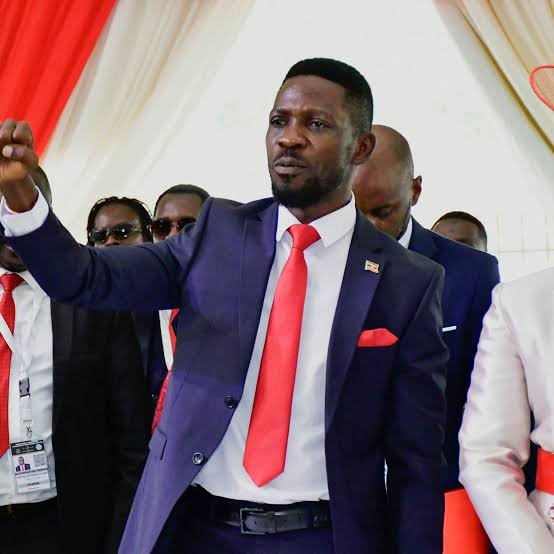
Opposition Leader Flees Uganda, Vows to Return After Rallying International Support
KAMPALA, Uganda — In a dramatic escalation of the ongoing political crisis, a prominent opposition leader announced his temporary departure from Uganda on Saturday, claiming he was forced into hiding two months ago after the military invaded his home following a disputed presidential election.
The leader, in a statement released via social media, declared that President Yoweri Museveni had “usurped the will of the people” and “declared himself president on gunpoint.” He detailed a two-month ordeal of evading capture by state security forces, alleging that authorities raided his home, arrested his security detail, and maintained a siege on his residence.
“Over the past two months, the regime has looked for me everywhere,” the statement read. “They couldn’t find me because the people of Uganda sheltered me and protected me.”
The announcement confirms weeks of speculation regarding his whereabouts. His supporters had grown increasingly concerned after he failed to appear at public gatherings and his social media accounts fell silent following the disputed election results, which international observers noted were marred by irregularities, including a pre-election crackdown on opposition activities and a near-total internet shutdown on polling day.
The leader attributed his narrow escape to the support of ordinary citizens who provided shelter and avoided detection despite what he described as widespread raids on colleagues’ homes, roadblocks, and vehicle spot checks by the military.
Citing the need to handle “important work,” he stated that his exit is temporary. Over the coming weeks, he plans to engage with international allies and friends abroad.
“Before returning to Uganda to continue the push for freedom and democracy!” he declared, urging his followers to remain focused and united, and using the hashtag #FreeUgandaNow.
There was no immediate comment from government spokespersons or the Uganda Police Force regarding the allegations. However, in the past, the administration has consistently dismissed opposition claims of fraud and has accused exiled leaders of attempting to solicit foreign interference in the country’s internal affairs.
The departure marks a significant moment in Uganda’s volatile political landscape, potentially shifting the center of opposition activity from the streets of Kampala to the international diplomatic stage.
About The Author