
PACEID Gambles on Tax Cuts to Drive Local Manufacturing, Create Jobs
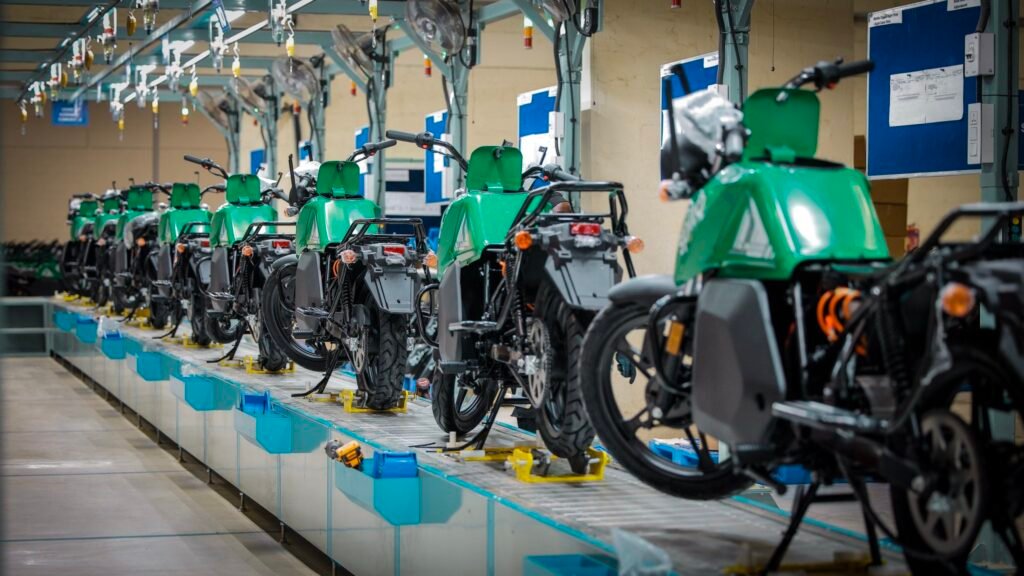
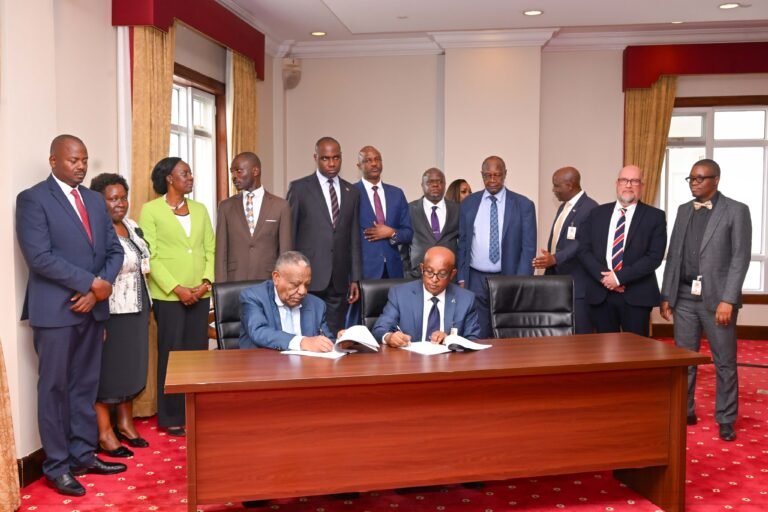
Kampala, Uganda – In a strategic move aimed at reducing Uganda’s long-term reliance on imports, the Presidential Advisory Committee on Exports and Industrial Development (PACEID) has been collaborating with electric mobility firms Arise and SPIRO since early 2023 to kickstart local assembly lines.
Odrek Rwabogo, who chairs the committee, has described the initiative as a necessary financial “compromise” involving tax cuts, but one that is already yielding visible results in youth employment and import substitution.
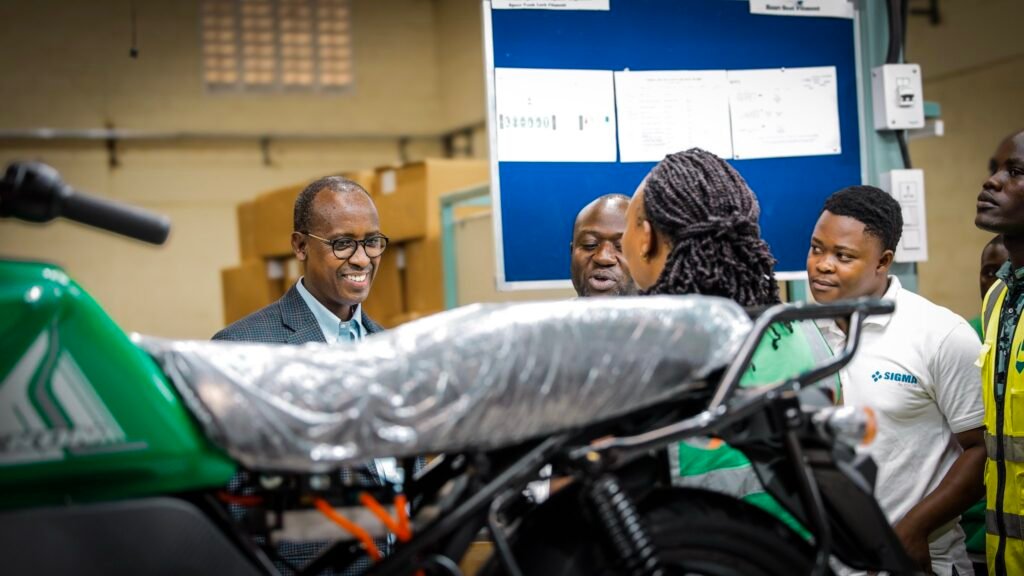
The partnerships are focused on manufacturing and agro-value addition within Uganda’s 13 key export clusters. While the immediate tax relief reduces current government revenue, Rwabogo argues the long-term gains in industrial capability are essential for the country’s economic stability.
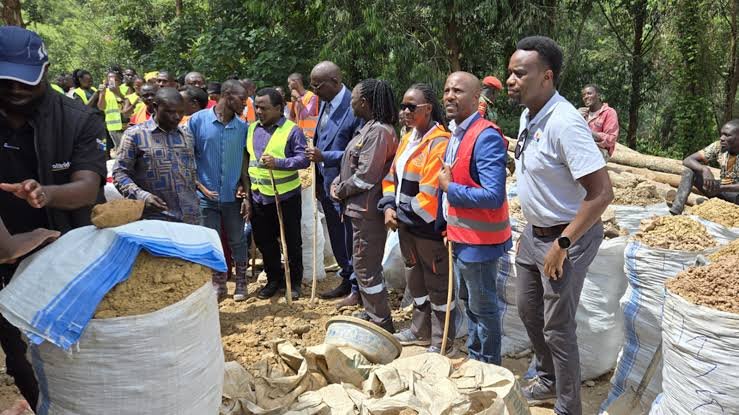
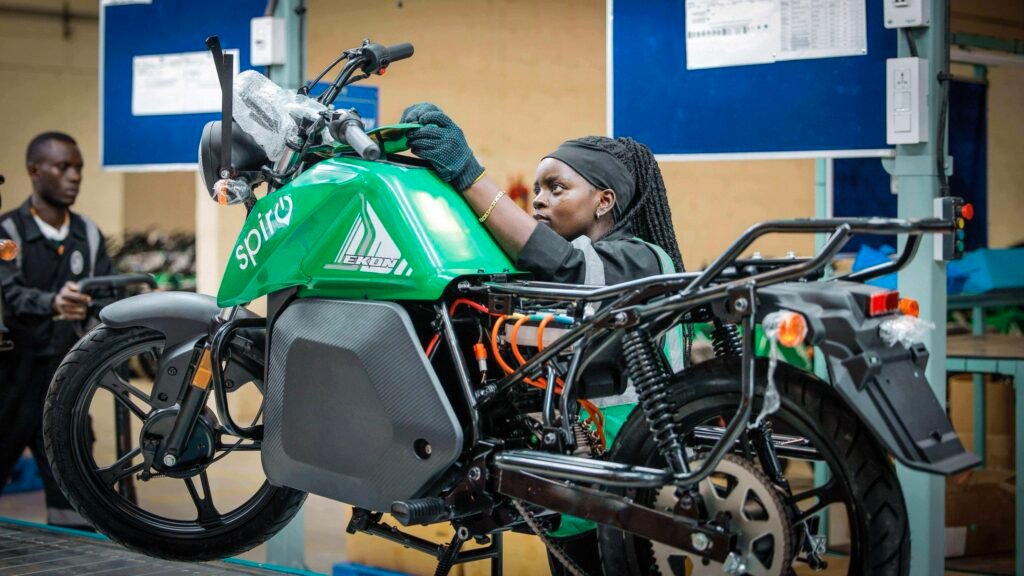
The impact is already tangible on the factory floor. Rwabogo noted the sight of young Ugandans manning assembly lines as a sign of progress. Beyond job creation, the venture is expected to significantly curb Uganda’s import bill by fostering local production of components that were previously shipped from abroad.
“We are looking at the possibility of reducing import exposure on iron and steel parts—such as bike frames that can now be fabricated here—as well as plastic casings, rubber, and electric cable parts,” Rwabogo explained. “Seeing this made me joyful. We will make it.”
Drawing a parallel to East Asia’s industrial transformation, Rwabogo referenced the trajectory of Shenzhen, China. He noted that in 1988, the city started with only 20% assembly gains in electronic equipment. By 2007, Apple had outsourced nearly 90% of its manufacturing to that single city, and by 2014, a single entity there employed over a million people.
“It all started with one risk,” he said. “Can you give up something now for a better tomorrow?”
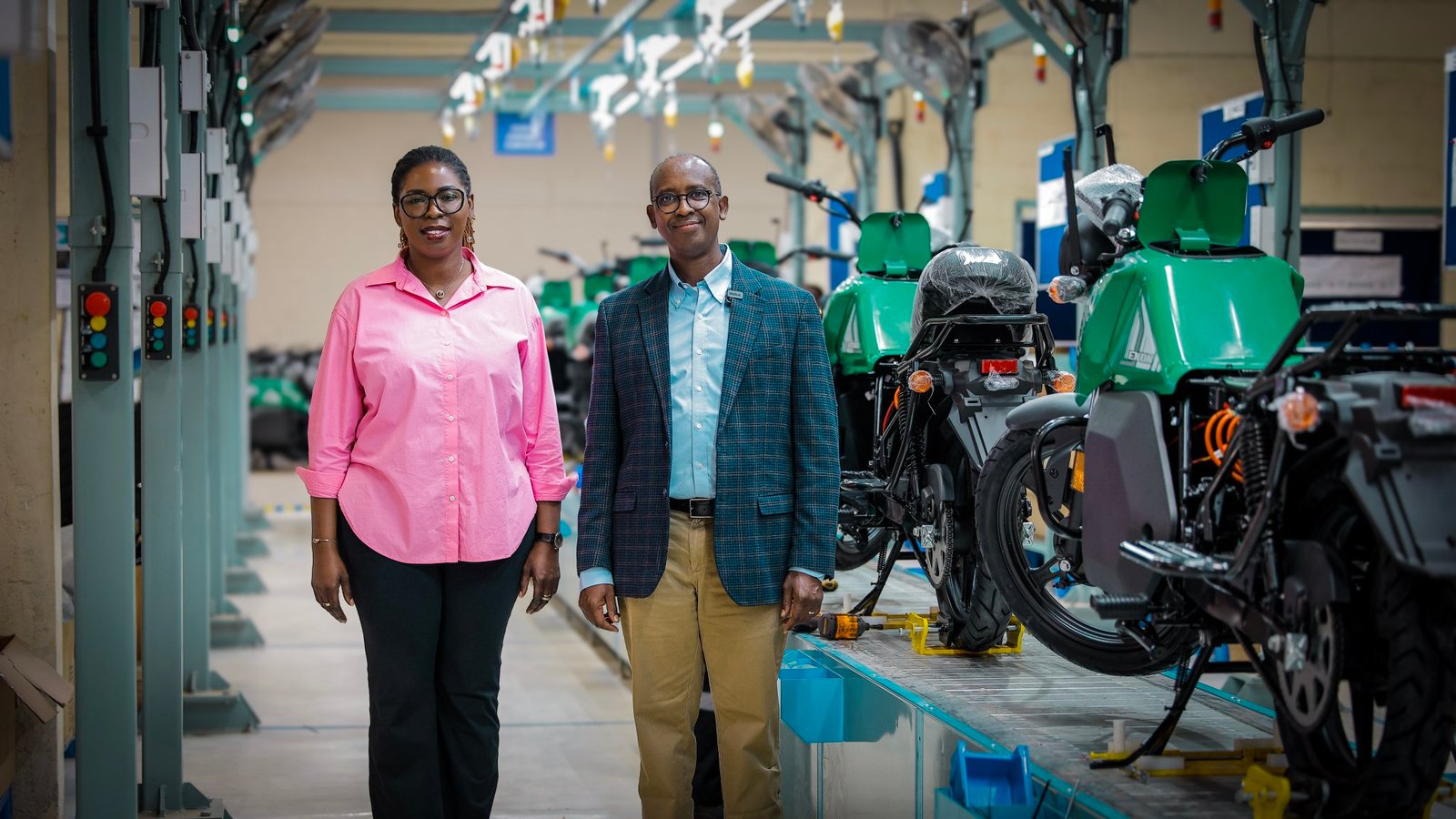
Rwabogo extended gratitude to President Yoweri Kaguta Museveni for supporting the industrial push, as well as Mr. Gagan, the entrepreneur behind the entities, and Ms. Rachelle Yayi for her efforts in implementing the project in Uganda.
About The Author