
Trump and Modi Seal Major U.S.-India Trade Deal
In a landmark move set to redefine economic relations between the two nations, the United States and India have finalized a major trade agreement. The deal, championed by U.S. and Indian leaders, significantly lowers U.S. tariffs on Indian goods from 25% to 18%.
In return, India has committed to reducing its own trade barriers to zero and substantially increasing purchases of American energy, technology, and agricultural products. The ambitious, multi-year framework aims to elevate bilateral trade to a target of $500 billion.
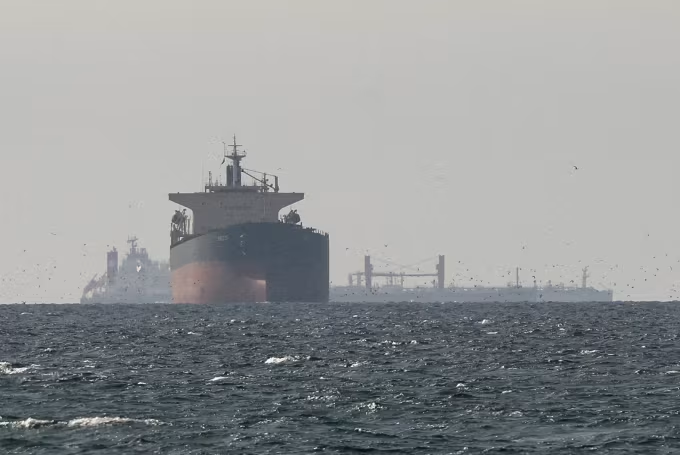
A key component of the agreement addresses persistent U.S. concerns over India’s imports of Russian oil. The deal encourages a strategic shift for India to diversify its energy sources toward the United States and other suppliers. Notably, the pact includes protections for India’s sensitive domestic sectors, specifically its farmers and dairy industry.
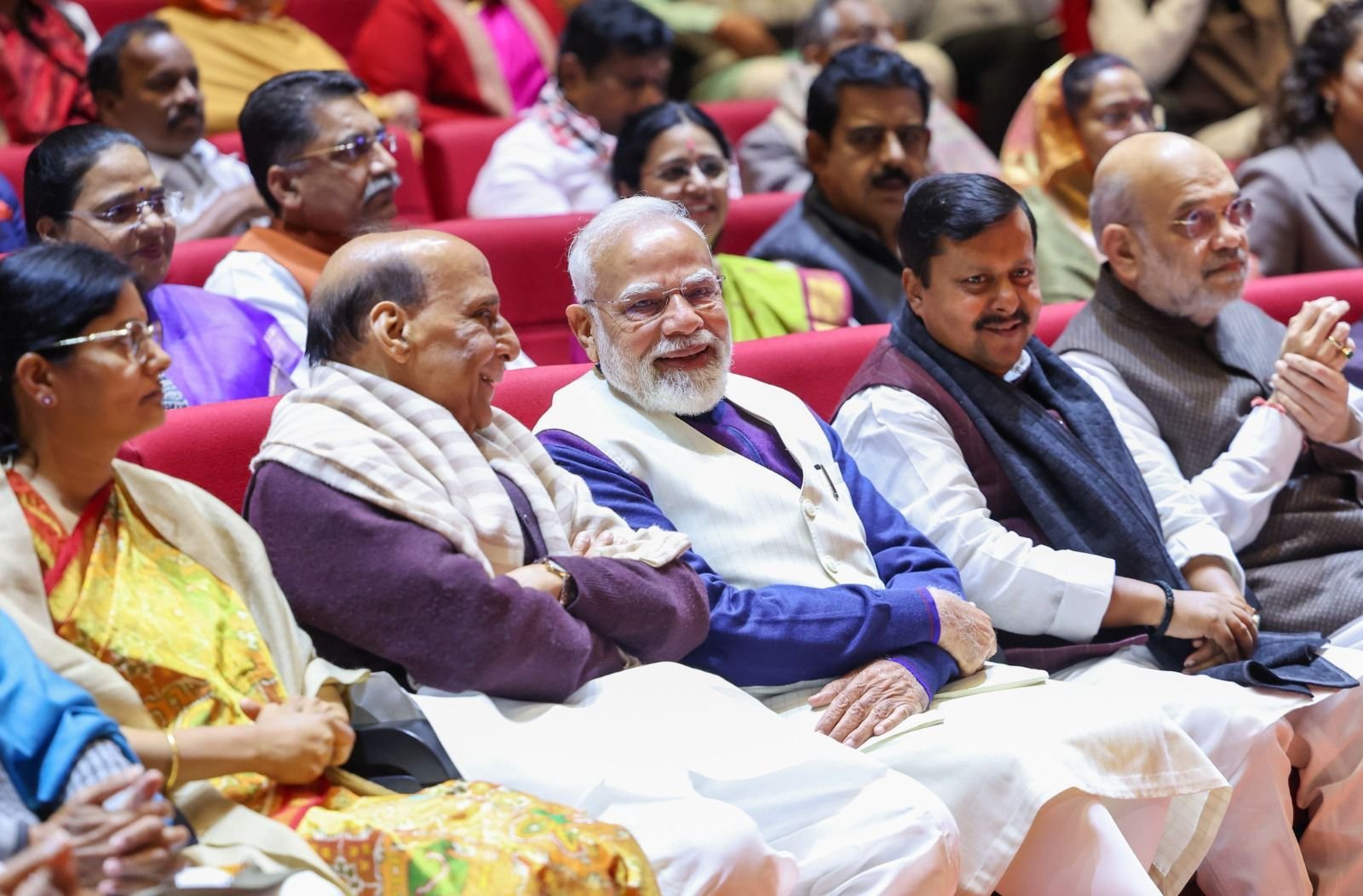
The announcement was met with strong approval from the Indian government. Prime Minister Narendra Modi received cheers and celebratory garlands from political allies in New Delhi. Commerce Minister Piyush Goyal hailed the agreement as a “landmark” achievement. The positive sentiment was immediately reflected in financial markets, which surged over 5% on the news.
However, the deal faces criticism from opposition figures. Congress leader Rahul Gandhi condemned the agreement, characterizing it as a sellout of India’s economic interests.
The agreement marks a significant step in strengthening the strategic partnership between Washington and New Delhi, with far-reaching implications for global trade dynamics and energy markets.
About The Author