
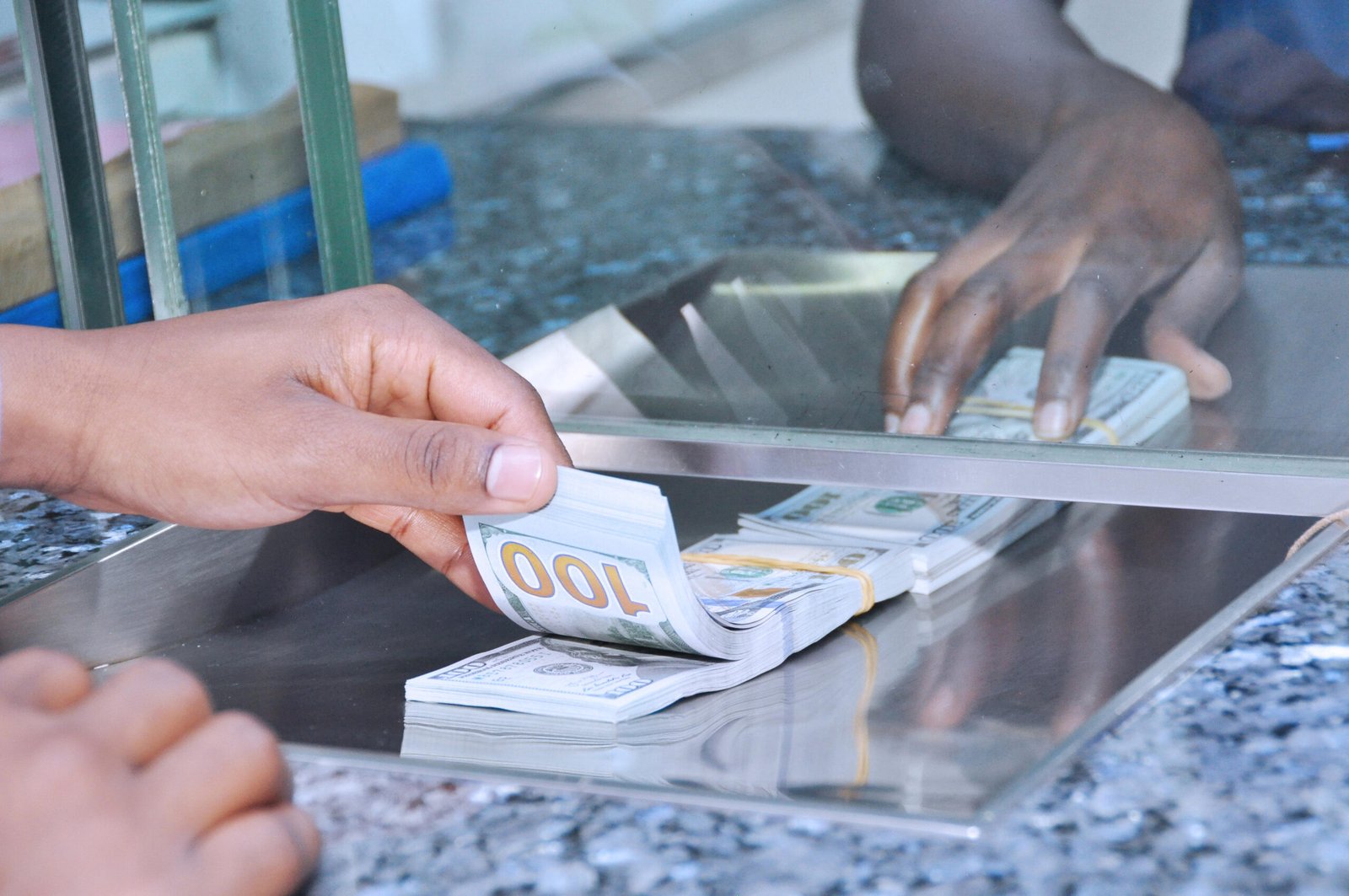
Foreign exchange reserves provide a buffer against economic shocks, support currency stability and facilitate international transactions, among others. PHOTO / FILE
World Bank Objects to Uganda’s Proposed Foreign Agent Law
KAMPALA, April 29 (Reuters) — The World Bank has formally objected to proposed Ugandan legislation that would regulate individuals and organizations receiving foreign funding, warning the bill could criminalize routine development activities and hinder the bank’s work in the country.
In an April 23 letter to Uganda’s parliament, the bank said the bill’s provisions could expose a broad range of “routine development activities” to criminal liability — including organizing meetings where alternative policy ideas are discussed.
“By classifying international organizations as ‘foreigners’ without qualification, the bill subjects them to all of its substantive restrictions, registration requirements, financial reporting obligations, and criminal penalties,” the bank wrote.
Bill Details
The legislation, introduced by President Yoweri Museveni’s government on April 15, requires any Ugandan receiving money from outside the country to register as a foreign agent and disclose all incoming funds.
The bill also prohibits foreign agents from hindering, frustrating or disrupting government policy implementation. It criminalizes developing or promoting alternative public policies without government approval.
Penalties include fines up to 4 billion Ugandan shillings ($1.08 million) and prison sentences of up to 20 years.
Government Response
Information Minister Chris Baryomunsi dismissed the World Bank’s concerns as unwarranted.
“We don’t agree with their fears. Funds from agencies like the World Bank are protected,” Baryomunsi told Reuters. “Many commentators are giving views before thoroughly internalizing the bill.”
Major Financial Implications
The World Bank is a significant donor to Uganda, maintaining a project portfolio worth approximately $4.57 billion in the country.
The bank had halted new lending to Uganda in 2023 following the enactment of a harsh anti-homosexuality law, but resumed funding two years later after authorities agreed to some compromises.
Broader Opposition
The bill, currently before a parliamentary committee, has drawn criticism from opposition politicians, non-governmental organizations, and commercial banks, who argue it would stifle legitimate funding flows into the country.
Museveni, in power since 1986, has long accused political rivals of being agents of foreign powers.
About The Author